I’m not naturally very imaginative, so when I first began making soap at home I struggled to create essential oil blends. Still, essential oils play an important role in handmade soap, adding character and atmosphere to each bar.
My process was simple: I gathered my small glass bottles, sorted them into base, middle, and top notes, grabbed a handful of Q-tips, and experimented at the kitchen table until combinations smelled right.
I nearly wore out my husband’s nose testing base, middle, and top notes, but the sessions were fun—and we certainly cleared our sinuses in the process. Eventually we landed on several simple blends we loved. I have to give credit to Gabriel for our absolute favorite.
It’s tempting to keep things easy—lavender in a batch of goat milk soap is a classic for a reason. But experimenting with blends opens up so many possibilities.
When to add essential oils to your batch of soap.
When you add essential oils depends on the soapmaking method.
For cold-process soap, add essential oils when the mixture reaches trace.
For hot-process soap, add the oils at the end, just before pouring the finished soap into the mold.
How much essential oil should you add?
The amount varies by method and personal preference. As a general guideline:
- Cold-process: about 0.7 oz per pound of soap.
- Hot-process or melt-and-pour: about 0.3 oz per pound of soap.
In the recipes below I use “parts” so you can easily scale the proportions to your batch size and scent strength. If you prefer a stronger aroma, increase the total amount; for a milder scent, reduce it. Cold-processed soap typically needs more oil because some fragrance fades during curing, while hot-process soap usually requires less since curing is complete before you add the oils.
Update: A “part” is simply a fraction of a whole and can be measured in drops, teaspoons, or any unit you prefer. For example, 4 parts of one oil and 1 part of another can be four drops and one drop, or four teaspoons and one teaspoon, making a total of five parts.
Essential Oil Blends Recipes
Spearmint Patchouli
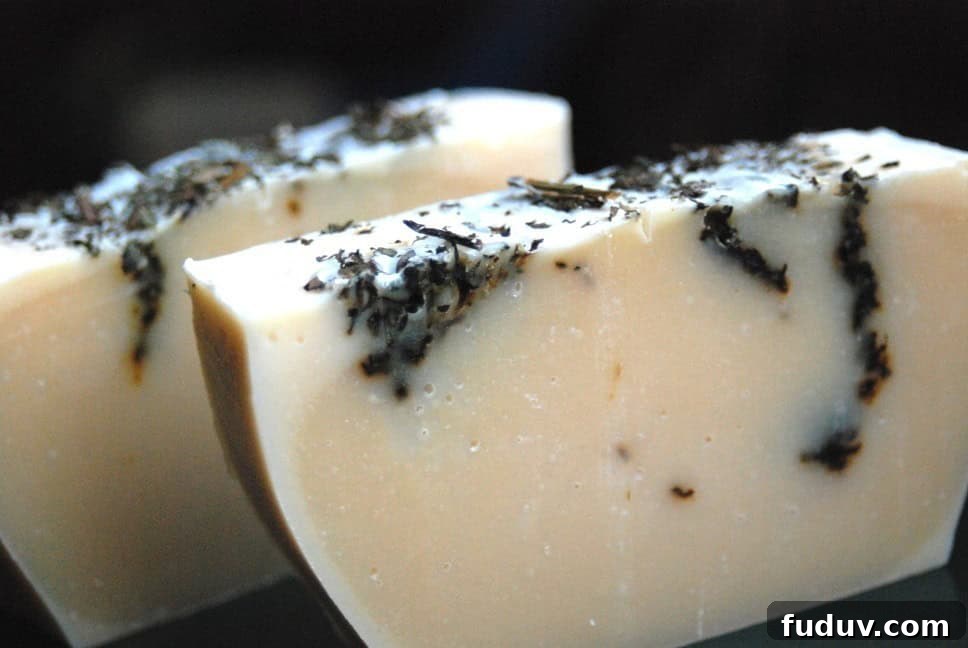
- 4 parts spearmint
- 1 part patchouli
This is my top pick. Spearmint brings a sweet, calm freshness while patchouli adds an earthy, musky depth that balances the mint and gives the blend a slightly more masculine edge.
Orange Vanilla
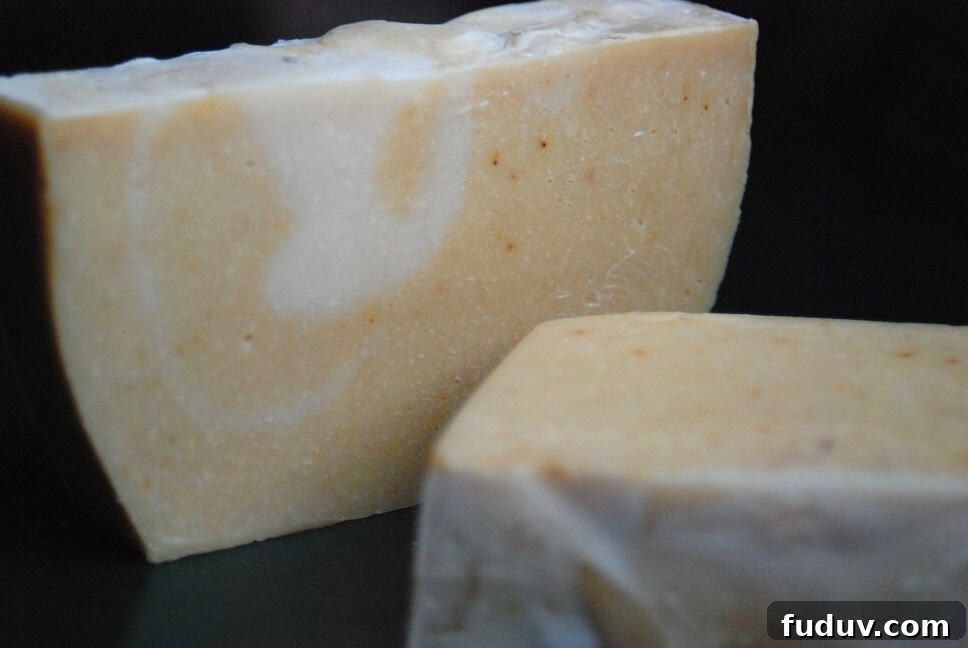
- 2 parts sweet orange essential oil
- 1 part vanilla oil
Sweet, clean, and comforting—this blend evokes an orange creamsicle. Citrus oils like orange are economical, so they’re easy to use generously. Consider adding cinnamon or other warming spices for variation.
Lavender Peppermint
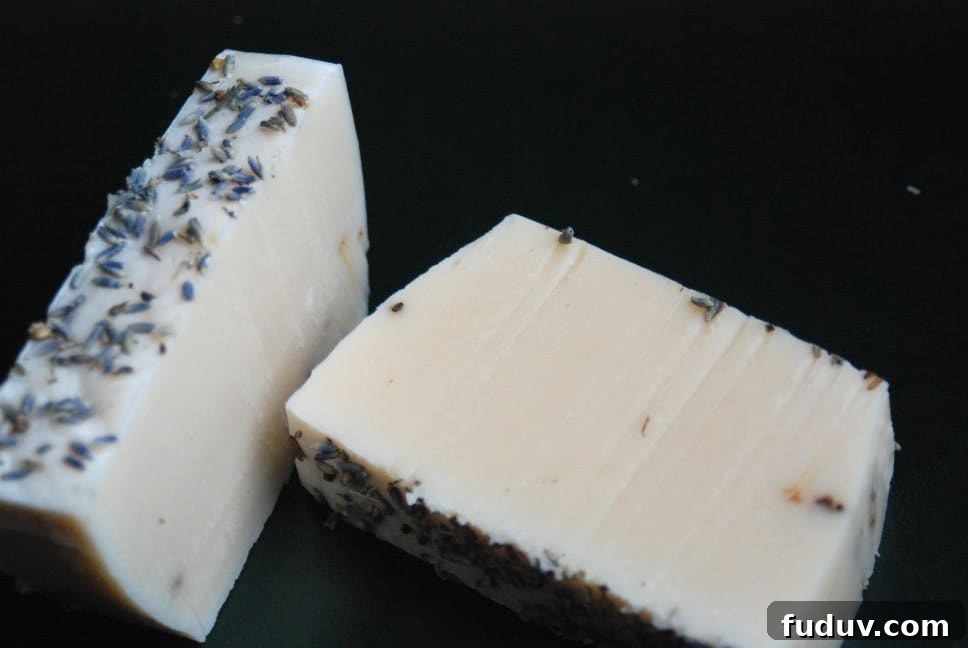
- 1 part lavender
- 1 part peppermint
Calming lavender paired with invigorating peppermint is an unexpectedly harmonious match. The result is both soothing and refreshing—great for a relaxing shower or a wake-up scrub.
The Man’s Man
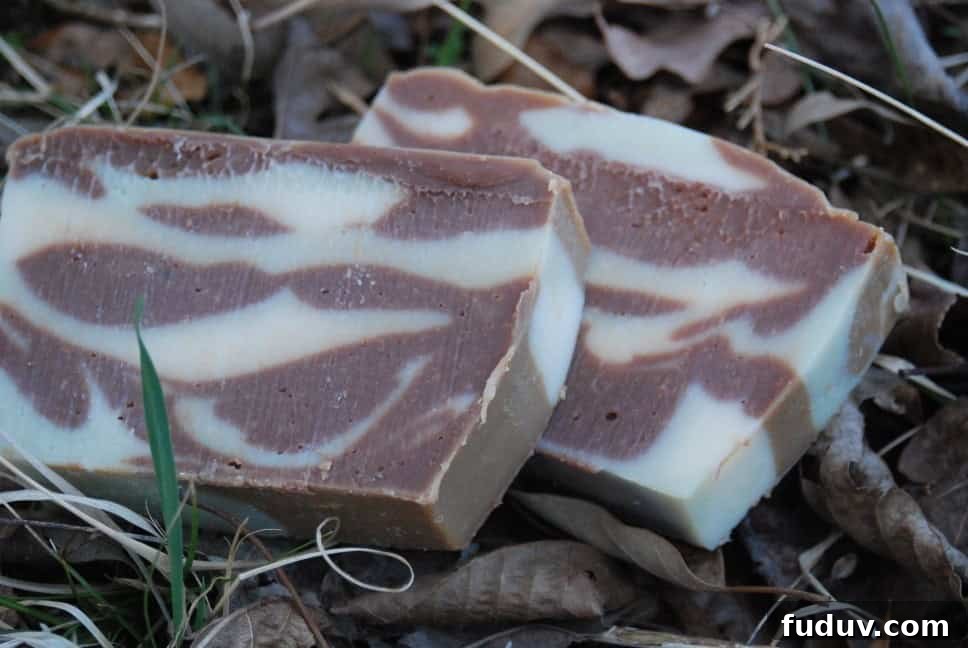
- 1 part patchouli
- 2 parts bergamot
- 1 part cedarwood
Earthy and woodsy, this blend reads very masculine—ideal for a man’s bathroom, a cabin, or as a thoughtful handmade gift for someone who prefers robust scents.
Orange Mint
- 2 parts orange
- 1 part peppermint or spearmint
Mild, sweet, and clean—this is a safe, crowd-pleasing option when you’re unsure of someone’s scent preferences. You could also try adding tea tree or eucalyptus for a fresher twist.
Beyond these blends, I often keep things simple by making single-oil batches. Strong rosemary, bright lemon or lime, and vibrant lemongrass each make delightful soap on their own. The possibilities for single scents and blends are endless, which just means more opportunities to experiment.
Note: essential oils differ from fragrance oils. Some fragrance oils can react with soap ingredients and cause the mixture to seize.
P.S. I’ve tried several brands of essential oils; I often use Now Brand oils for soapmaking because they’re affordable and consistently good quality for crafting (vanilla being a typical exception).
You don’t need to scent every bar—unscented options like coffee scrub soap are energizing and hard-working, perfect for mornings.
Summing Up Essential Oil Blends Recipes
Guidelines about base, middle, and top notes are helpful, but these blends should be starting points. Feel free to experiment and create combinations that suit your taste. Work small, split batches to test multiple blends, and don’t worry about perfection—soapmaking is forgiving and fun.
Start simple, trust your nose, and enjoy making soap that’s uniquely yours.