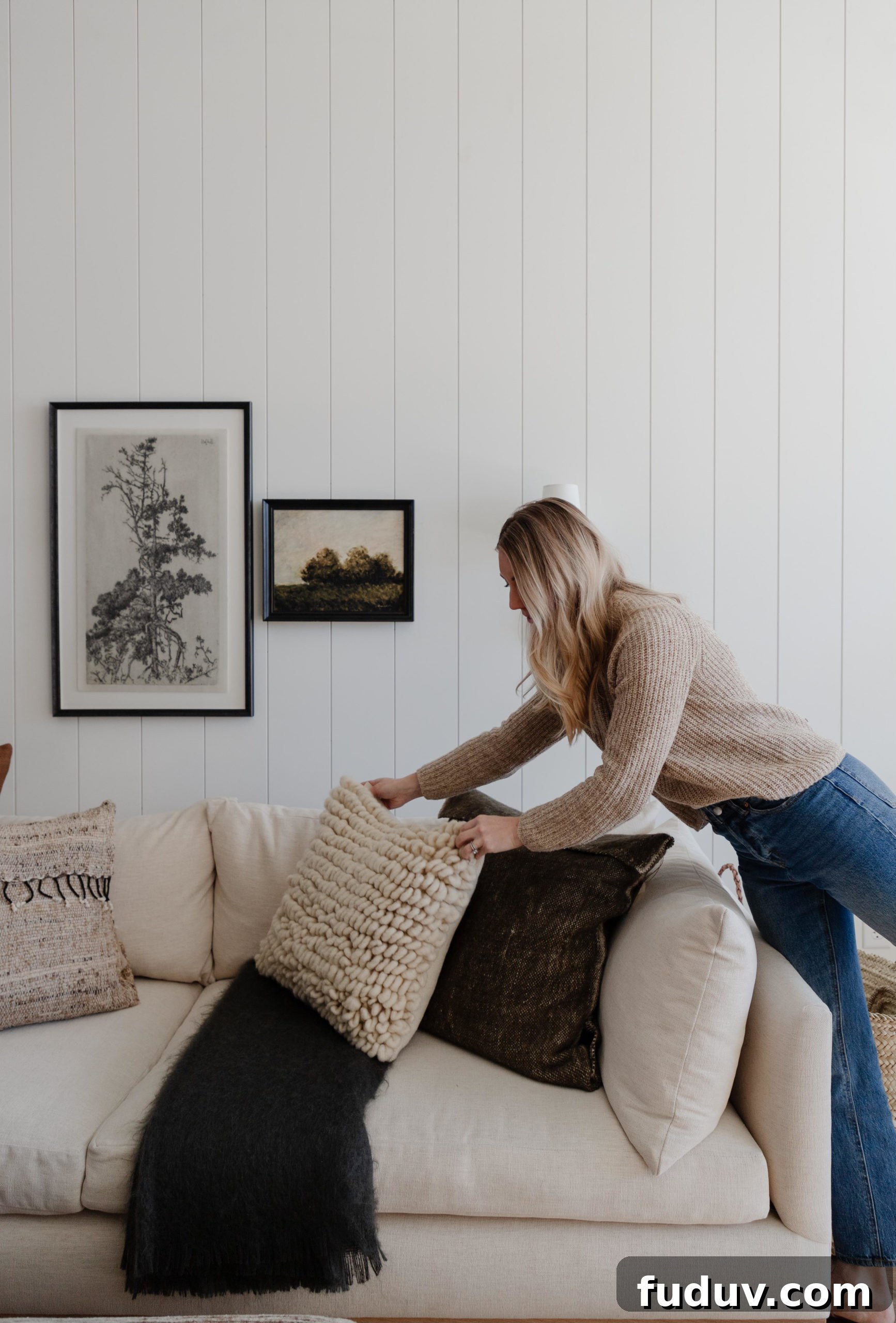
Shiplap is everywhere — open Instagram, Pinterest, or a design magazine and you’ll likely spot this timeless wall paneling that has been used for centuries.
Although shiplap is often associated with farmhouses, it can be adapted to many styles and spaces. In this post you’ll find the history of shiplap, practical guidance for using it in your home, and common mistakes to avoid when adding it to your design.
Design trends cycle constantly. As an interior designer working with clients worldwide, I see trends rise and fall. Wall paneling was once a 1960s fad we tended to remove, but used thoughtfully it doesn’t need to feel dated. Adding wall paneling creates depth and interest in surfaces that might otherwise be flat and forgettable.
The trick is choosing the right style. Different paneling types create different moods: shiplap feels relaxed and rustic, nickel gap reads clean and modern, and beadboard lends softness and charm.
Pick the option that matches your home and its architecture rather than blindly following Pinterest. Before exploring where to use each style, let’s define what shiplap actually is, since many projects labeled “shiplap” are technically something else.
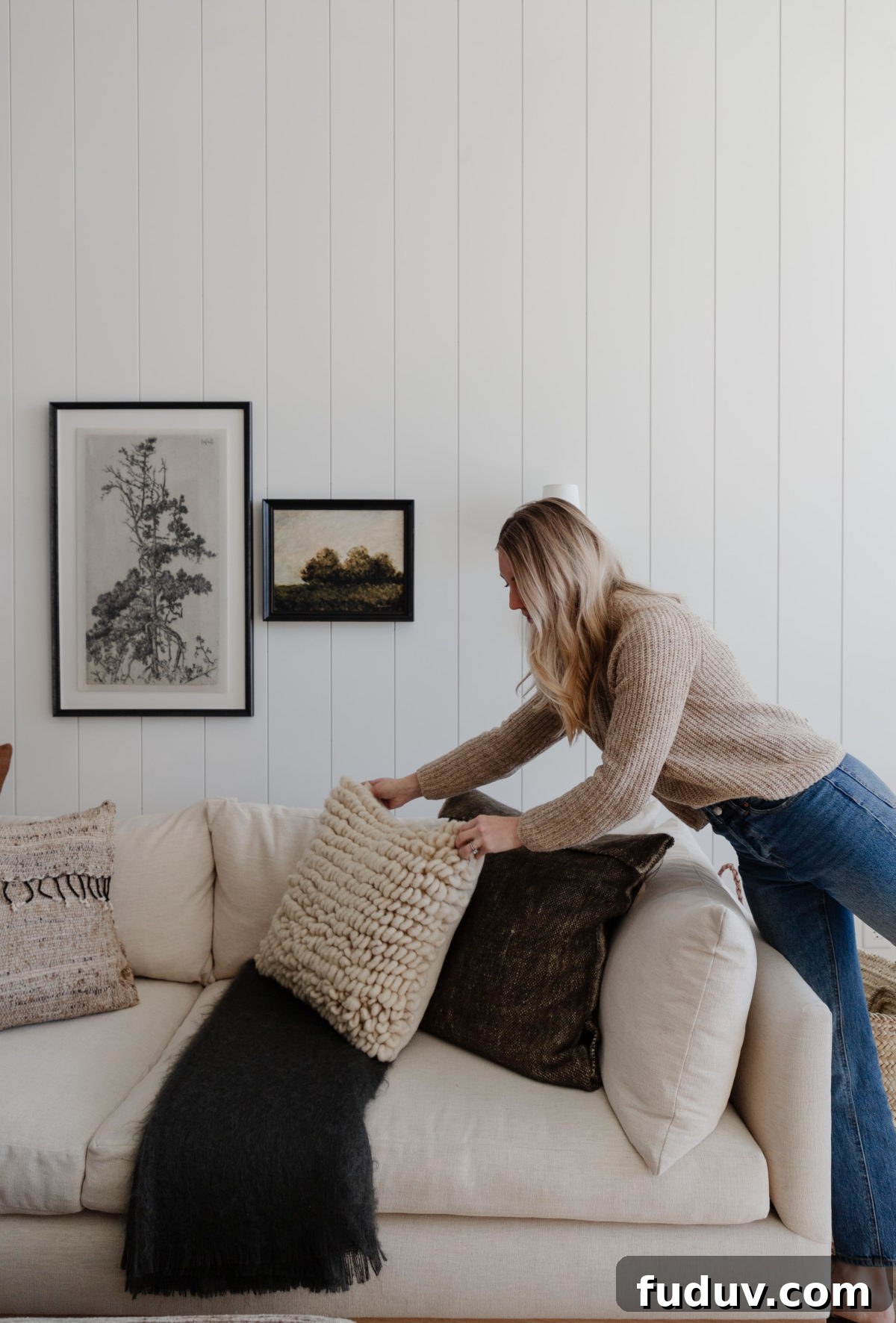
Table of contents
- What Is Shiplap?
- The Types of Wall Paneling
- Nickel gap paneling
- V-Groove characteristics
- Beadboard options
- The right paneling type depends on several factors
- Planning Your Shiplap Project
- Architectural considerations
- Design decisions
- Installation Best Practices
- Pre-Installation requirements
- wood type
- Installation guidelines
- Design Tips
- Color and finish
- Common mistakes to avoid
- Maintenance and Care
- Cleaning and upkeep
- What to do long-term
- Conclusion
- Explore all about Paints and Finishes
- Little Black Book of Color
What Is Shiplap?
Chances are, much of what’s labeled shiplap online is not true shiplap.
True shiplap consists of wooden boards with rabbeted (L-shaped) edges that overlap. Those overlapping joints were originally made to help create a water-resistant seal. When installed, real shiplap reveals a shadow line between boards that gives a stepped profile.
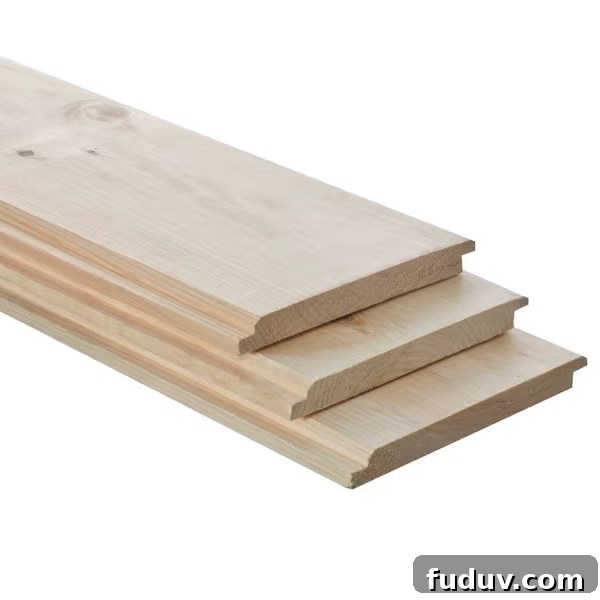
On social media you’ll often find horizontal planking, nickel gap boards, or v-groove paneling called shiplap. There’s nothing wrong with those options — they simply differ in profile and performance from authentic shiplap.
Technically, real shiplap is also functional: the overlapping edges help prevent warping and pulling away from the wall. Visually, real shiplap creates a farmhouse aesthetic, while alternatives can offer cleaner, more modern looks.
The Types of Wall Paneling
There’s more variety in wall planks than many realize. While shiplap has enjoyed renewed popularity thanks to modern farmhouse trends, other paneling styles may better suit your home and needs.
Nickel gap paneling
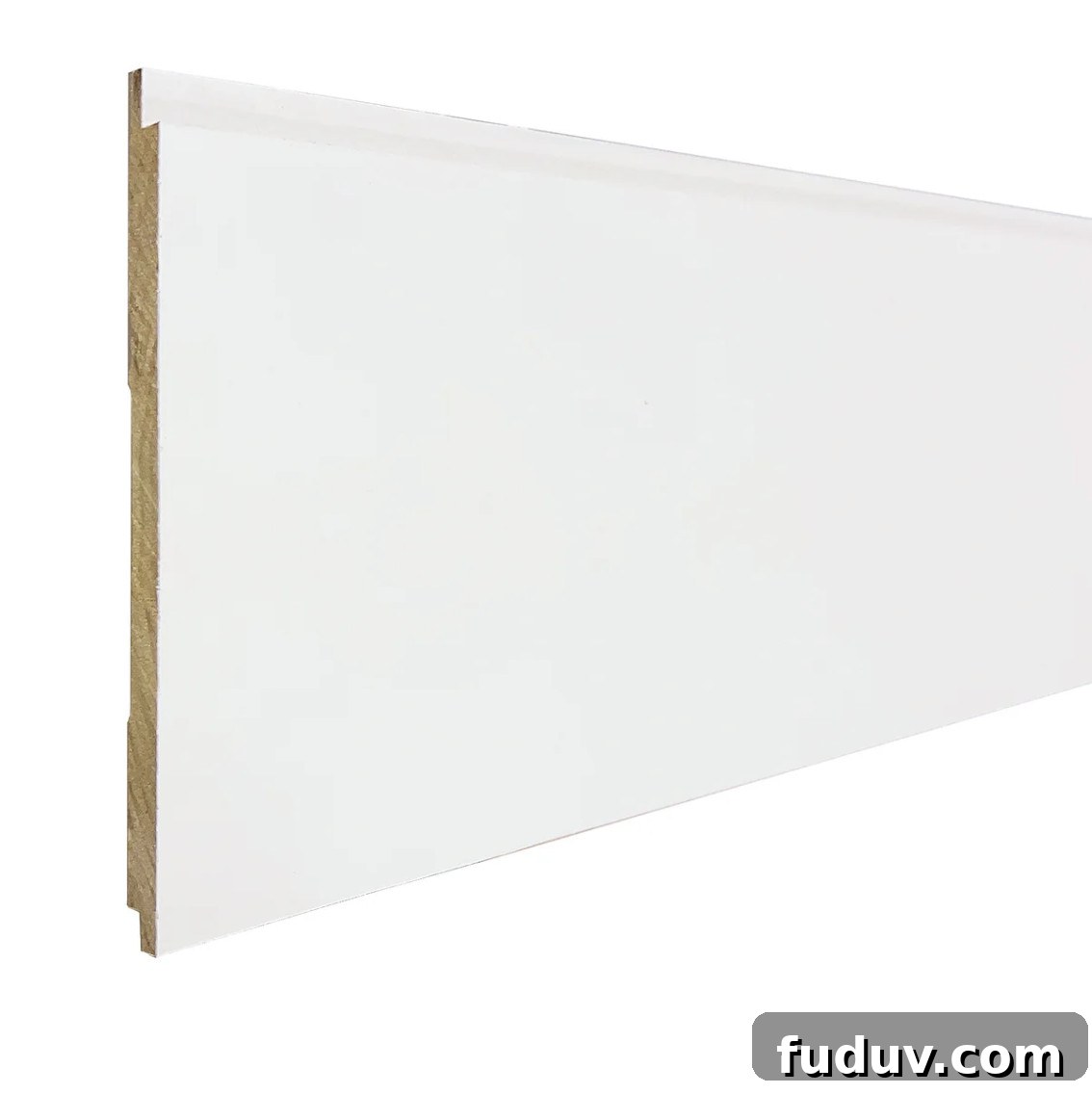
Nickel gap is named for the narrow gap — about the width of a nickel — between planks. It creates a very clean, contemporary appearance. Traditionally nickel gap boards do not overlap, though many modern versions mimic an overlapping profile similar to shiplap.
This style produces crisp joint lines that add subtle texture without a strong rustic feel.
V-Groove characteristics
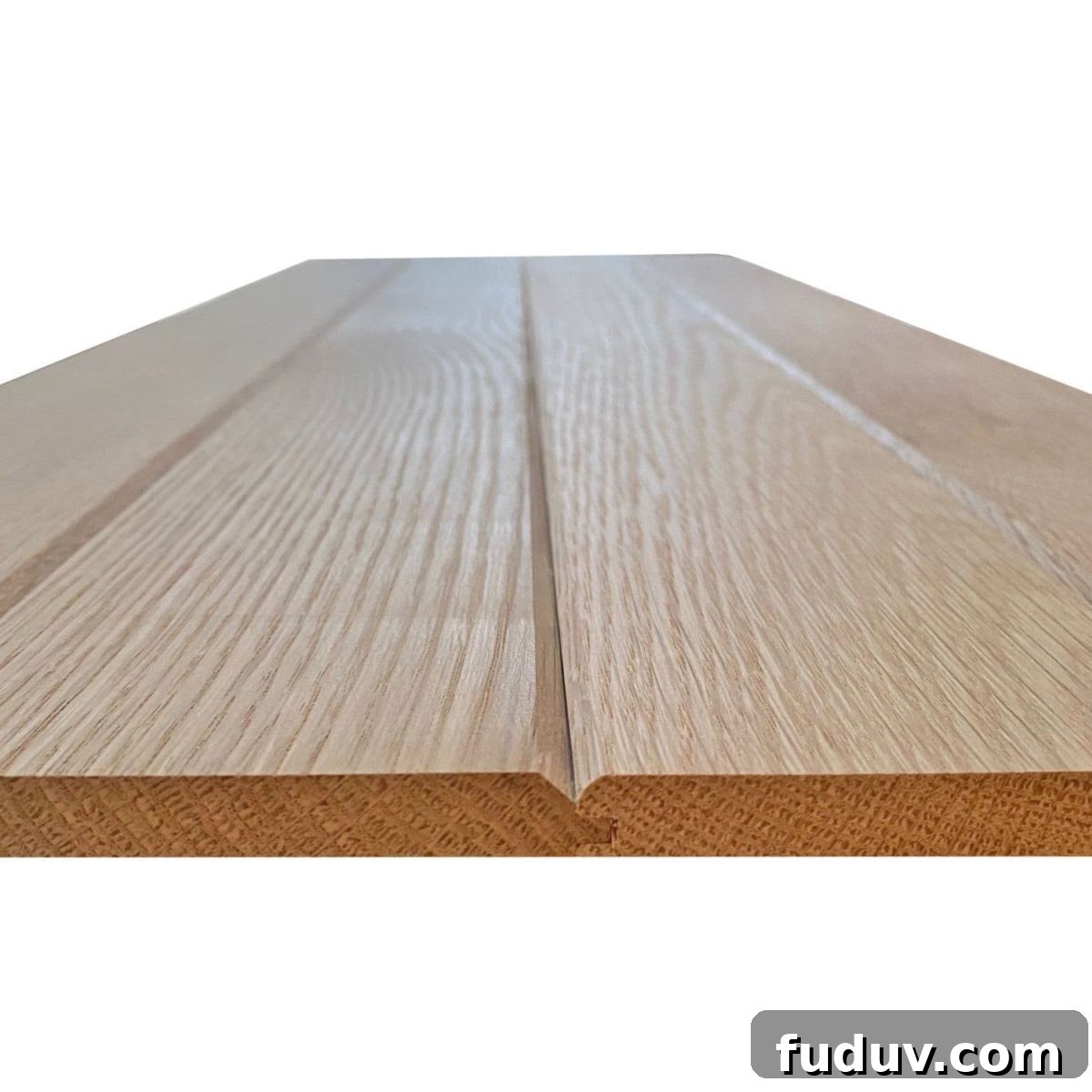
V-groove paneling cuts an angled channel where two boards meet, creating a pronounced V-shaped valley between planks. The deeper grooves cast stronger shadows and tend to read more traditional or rustic.
Beadboard options
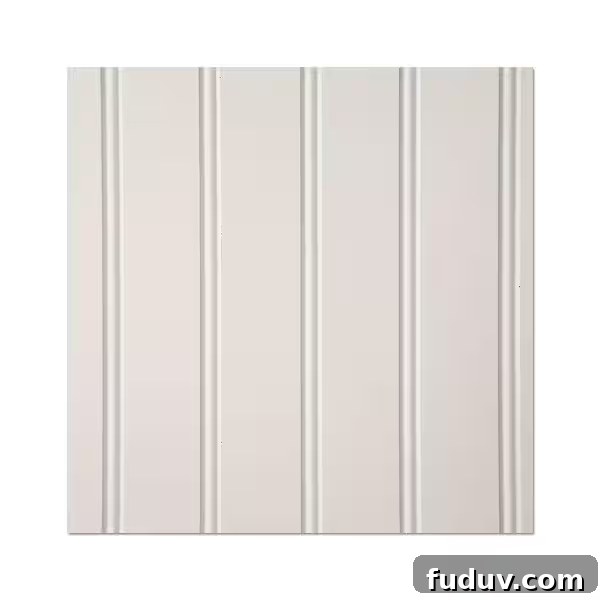
Beadboard consists of narrow planks with rounded beads between grooves. Modern panels are available in wider formats while preserving the beaded detail.
Beadboard is ideal for bathrooms, mudrooms, and wainscoting where a classic, gentle look is desired.
The right paneling type depends on several factors
- Room style and existing architecture
- Desired level of detail and texture
- Installation location (bathroom, hallway, full room)
- Budget and material preferences
For rustic spaces, solid wood shiplap or v-groove fits well. Beadboard wainscoting suits more formal rooms. Nickel gap works well in contemporary interiors where you want subtle linear detail.
Planning Your Shiplap Project
Architectural considerations
Evaluate your home’s architectural style before adding planks. The modern popularity of shiplap has led many people to put it in homes where it clashes.
Your home’s architecture should guide paneling choices. Shiplap suits coastal cottages, rustic cabins, and modern farmhouse builds. In Victorian or Mid-Century Modern homes, choose treatments that respect the original character—traditional wainscoting for Colonial or Georgian homes, or smooth finishes for Mediterranean styles.
Also choose orientation intentionally: vertical boards draw the eye upward and can make rooms feel taller, while horizontal boards emphasize width.
About accent walls: instead of a single small accent, consider covering the whole room for a cohesive result. If budget is limited, apply paneling to a smaller full room rather than only one wall of a larger space.
Design decisions
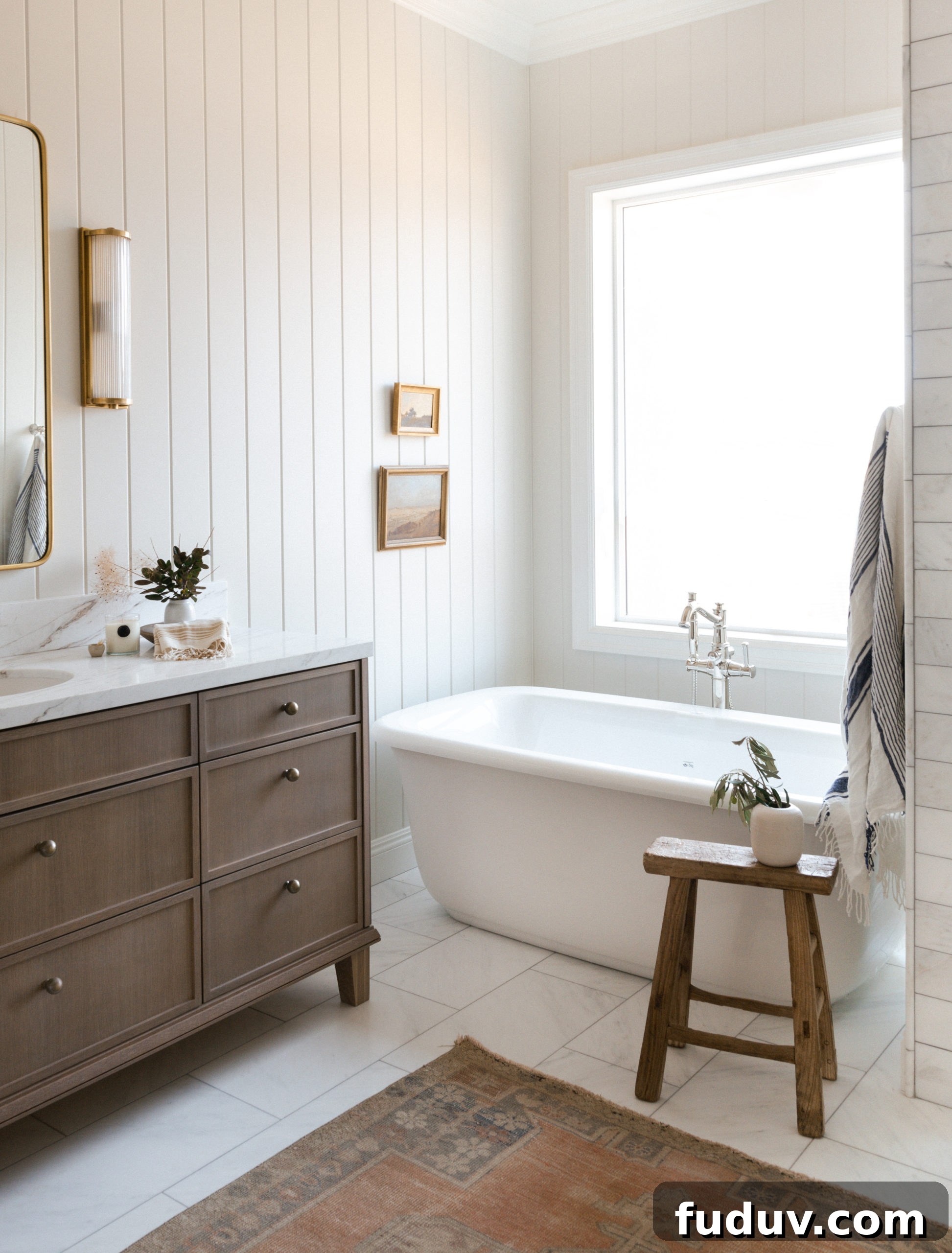
Board orientation, color, and finish determine the final effect. Horizontal boards create a casual coastal or farmhouse vibe and work well in informal rooms. Vertical boards lift the eye and are more formal, pairing nicely with crown molding.
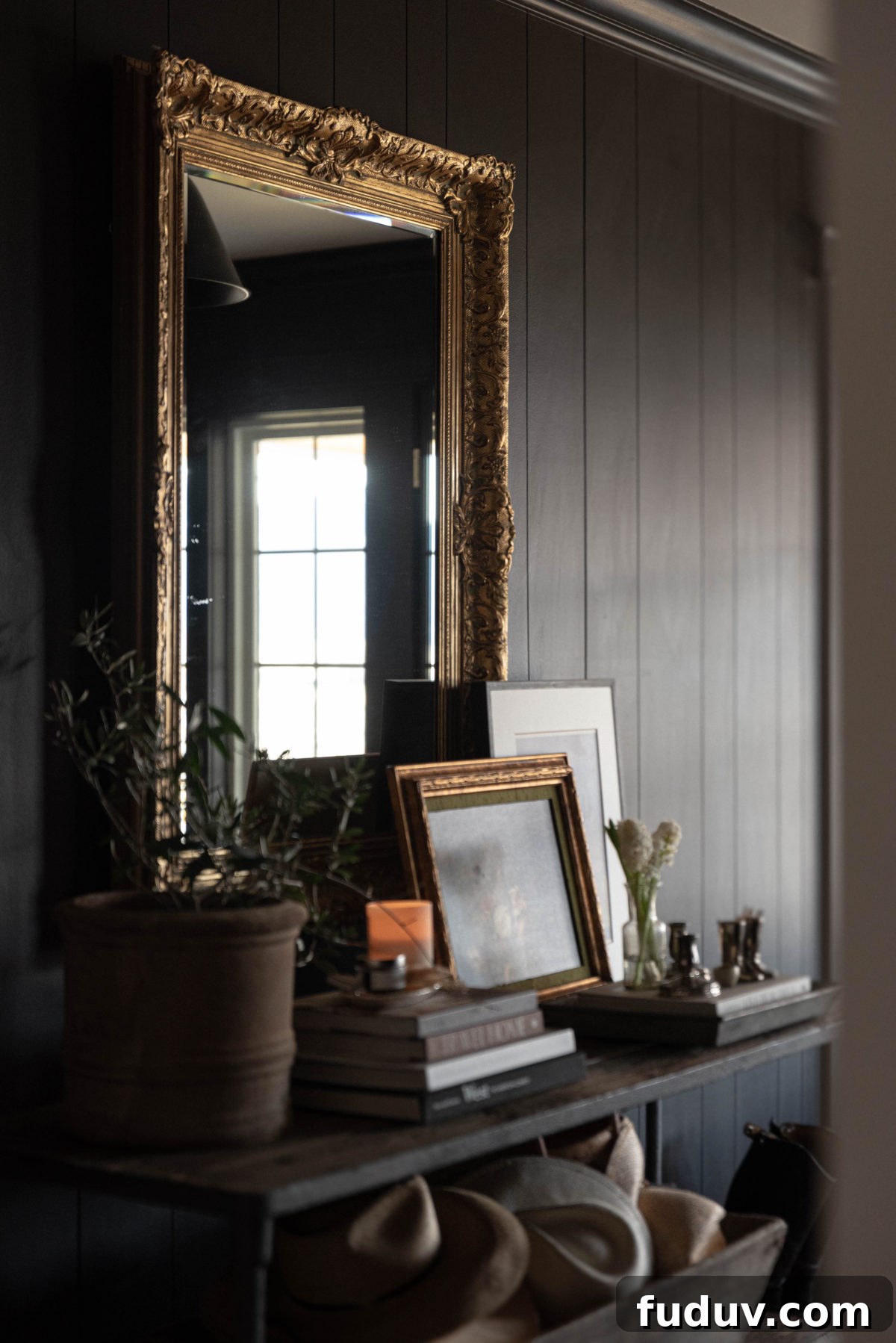
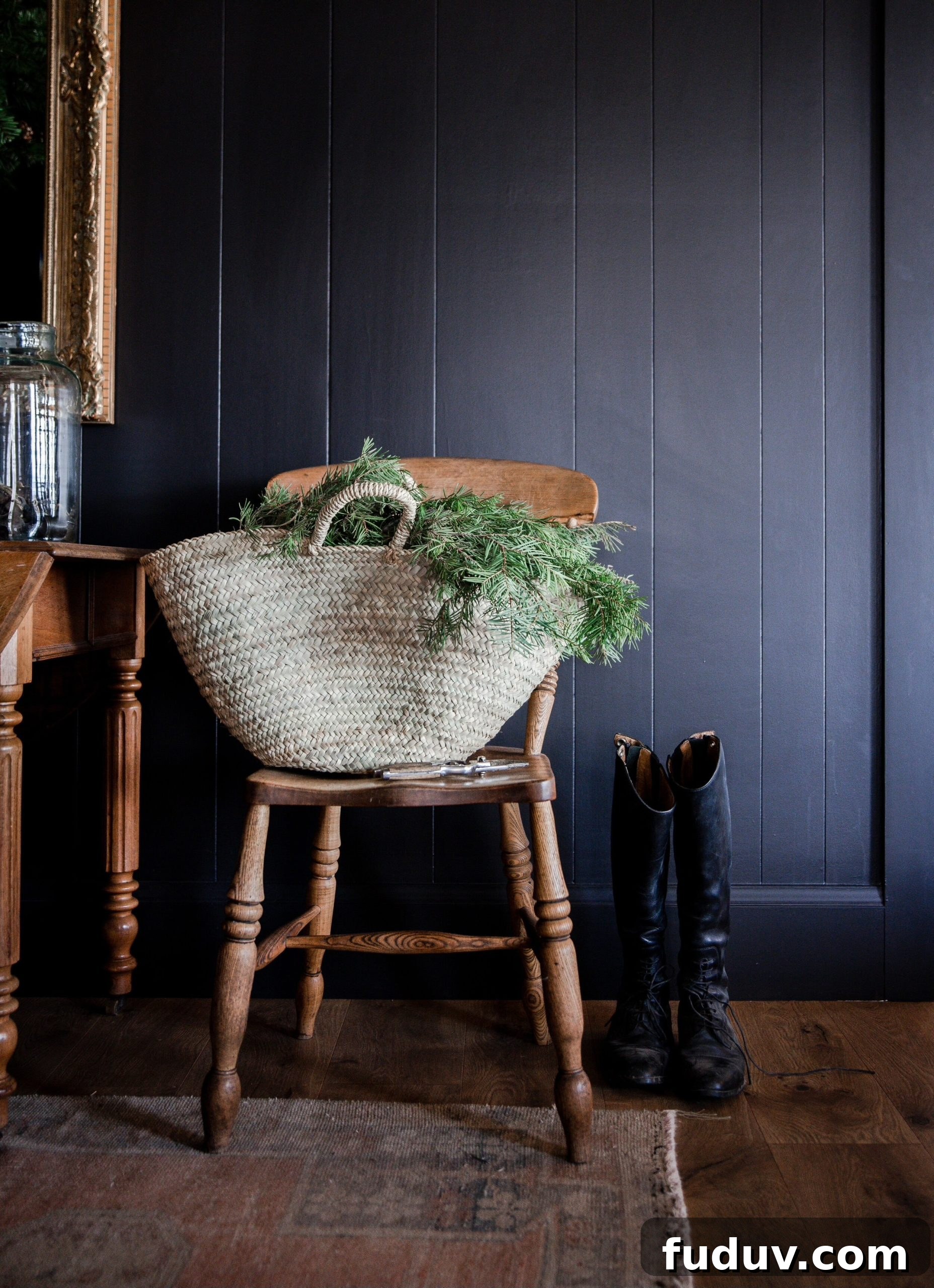
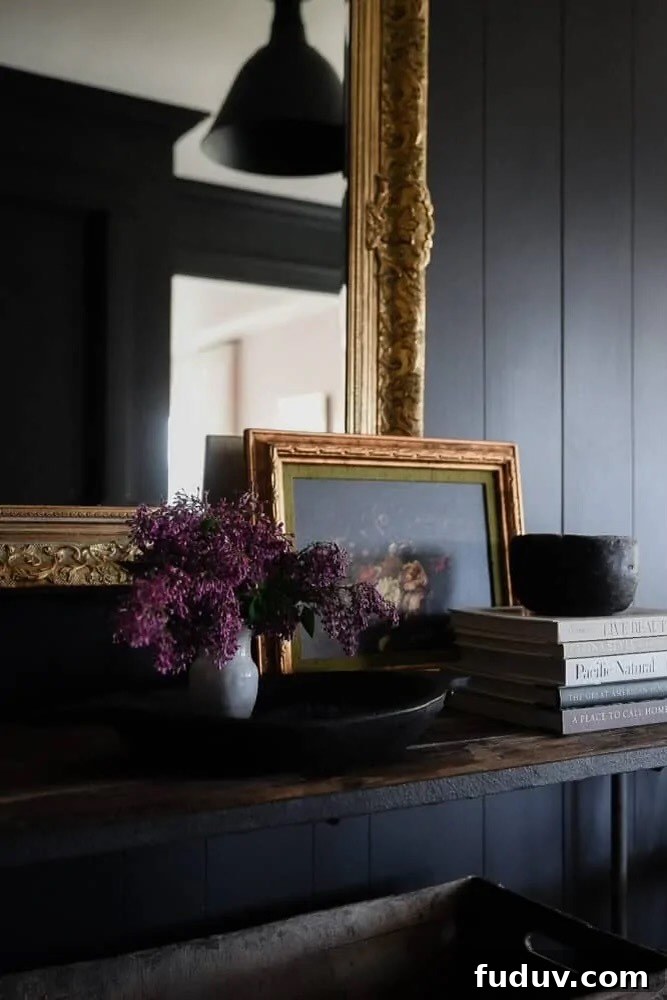
White remains popular, but color can be transformative. Dark tones like navy or charcoal suit dining rooms or libraries, while soft greens and blues work well in bathrooms and bedrooms. Use a foam roller or a paint sprayer for smooth, even coverage.
Choose rooms that naturally suit paneling—mudrooms, laundry rooms, family rooms, and primary bedrooms are good candidates. Avoid shoehorning shiplap into formal spaces where it might clash.
Full-room installation tends to look more integrated and timeless than a single accent wall, which can feel dated or disconnected.
Installation Best Practices
Installing shiplap is approachable for many DIYers but requires careful preparation. Most problems come from skipping prep work. Here are the essentials before you start nailing boards to the wall.
Pre-Installation requirements
Gather the right tools: a nail gun and compressor, stud finder, circular or miter saw, chalk line to keep rows straight, a level, and measuring tape. Clear the room, remove baseboards if needed, and clean the walls before installation.
wood type
MDF is a budget-friendly option, but natural wood provides the most authentic, high-end finish. Protect and acclimate materials as appropriate for your climate.
Installation guidelines
- Proper wall coverage
When installing horizontally, start at the bottom and work up. Secure panels into studs and check alignment frequently with a chalk line and level.
- Trim
Plan for outlets, switches, and trim details. The final board at the top often requires ripping to fit precisely. Measure carefully for clean cuts.
- Installing baseboards
Choose baseboards and crown molding that complement existing trim. Consistency with your home’s trim profile makes the installation read as intentional and finished.
Quick tip: fill nail holes before painting for a polished result.
Design Tips
DIY shiplap can be very rewarding, but attention to proportion and detail ensures a result that still looks relevant in years to come.
Color and finish
White is common, but don’t overlook color. Enamel sheens perform well in bathrooms; higher gloss can feel elevated in libraries or entryways. For a classic farmhouse look, whites and creams work well. For dramatic or moody spaces, try navy or charcoal.
Common mistakes to avoid
Avoid committing only to an accent wall unless it truly fits; half measures can look dated. Respect your home’s architectural context — shiplap in an ultramodern condo will likely clash. Don’t overlook trim work: improper or incomplete trim undermines even the best installation. And choose shiplap because it suits your home, not just because it’s trending.
What is your design style?
Take our complimentary quiz to find your design aesthetic and the perfect accompanying white paint color in less than two minutes!
Get Your Results!
Maintenance and Care
Shiplap doesn’t require constant attention but regular upkeep preserves the finish and performance.
Cleaning and upkeep
Dust crevices regularly with a microfiber duster. For painted shiplap, a damp cloth with mild soap handles deeper cleaning; avoid soaking the wood. Gaps between boards can collect debris — use a vacuum attachment or compressed air to clear them.
What to do long-term
Keep paint codes for touch-ups; matching whites can be tricky. Inspect boards for loose nails or separating seams periodically. In humid areas, watch for warping or discoloration. Natural wood will age over time — if you prefer the original look, plan for refinishing every few years. With proper installation and care, shiplap can last for decades.
Conclusion
Shiplap is an effective way to add texture and character to your home when chosen and installed with intention.
If you plan to do the work yourself, don’t rush: measure carefully, account for trim and baseboards, and prioritize prep work. Select a style that complements your home’s architecture, execute the installation precisely, and maintain it periodically.
If you’re unsure, begin in a small space like a mudroom or laundry room to test the look without committing to the entire house. Use quality materials and avoid copying every Pinterest trend — thoughtful choices deliver lasting results.
Good design is about creating spaces that work for how you live, not just following trends. You’ve got this.
Explore all about Paints and Finishes
Browse paint-related articles to dive deeper into color trends, techniques, and finishing tips for your next project. Whether refreshing a room or choosing exterior finishes, the right guidance helps you achieve great results.

instant download
Little Black Book of Color
Download our free 30-page paint guide for expert guidance to create a cohesive palette for your home.