

Leaving a smoker unattended can seem convenient, especially for long or overnight cooks, but it carries real risks. Grease fires, sudden temperature swings, weather changes, and equipment malfunctions can turn a routine cook into a dangerous situation. Whether it’s safe to leave a smoker alone depends on the type of smoker, the fuel source, the weather, and how familiar you are with your equipment.
Key Points
- Generally, avoid leaving a smoker unattended because of hazards like grease fires and temperature fluctuations.
- Safety depends on the smoker type, fuel source, weather conditions, and location.
- Position the smoker away from flammable materials, ensure proper ventilation, and keep a fire extinguisher nearby.
- Always follow the manufacturer’s instructions for safe use and maintenance.
- Pellet grills offer built-in safety features but still require maintenance and inspection to avoid issues.
- Regular cleaning and checking for blockages reduce the risk of pellet grill malfunctions and back burns.
- Charcoal smokers can overheat or produce carbon monoxide—use temperature controllers and ventilate properly.
- Trim fat, use drip pans, and clean your smoker to reduce the chance of grease fires.
- Certain designs—well-sealed drum smokers, Weber Smokey Mountain units, and Kamado ceramic cooks—tend to be more stable and safer thanks to better insulation and construction.
Potential Smoker Hazards
| Safety Tip | Description |
|---|---|
| Do not leave unattended | Most smokers carry risks like grease fires or rapid temperature swings; don’t leave them unattended when possible. |
| Consider safety factors | The type of smoker, fuel, location, and weather all influence safety. |
| Choose a safe location | Keep smokers away from structures, vegetation, and other flammable items. |
| Use proper ventilation | Good airflow prevents carbon monoxide buildup and allows gases to dissipate. |
| Have a fire extinguisher nearby | Keep an extinguisher within reach to address fires quickly. |
| Follow manufacturer’s instructions | Use and maintain each smoker according to its manual. |
| Pellet grills | Often include temperature sensors and shutdown features but still need regular inspection and cleaning. |
| Prevent pellet grill explosions | Keep smoke stacks and hoppers clear, inspect electronics, and maintain the unit. |
| Prevent back burns | Clear augers and hoppers of blockages and service control systems as needed. |
| Prevent overheating in charcoal smokers | Monitor temps, follow instructions, and avoid excessive fuel or open vents on windy days. |
| Use temperature controllers | Controllers help maintain steady temps but don’t replace safety practices. |
| Prevent grease fires | Trim fat, use drip pans, clean regularly, and avoid leaving a lit smoker unattended. |
| Choose safer charcoal designs | Well-built, insulated smokers like drum, WSM, and Kamado types are generally more stable. |
Are Pellet Grills Safe?
Pellet grills are designed for convenience: they automatically feed pellets to maintain a set temperature, enabling a “set-and-forget” approach for many cooks. Built-in sensors and automatic shut-off features provide extra protection against overheating. That said, pellet grills still require regular cleaning and inspection—particularly of the hopper, auger, smoke stack, and control electronics—to prevent rare but serious failures.
For overnight cooks, pellet grills can be a good choice if they’re well maintained and monitored periodically. Still, occasional checks and adherence to the manufacturer’s maintenance schedule are prudent.
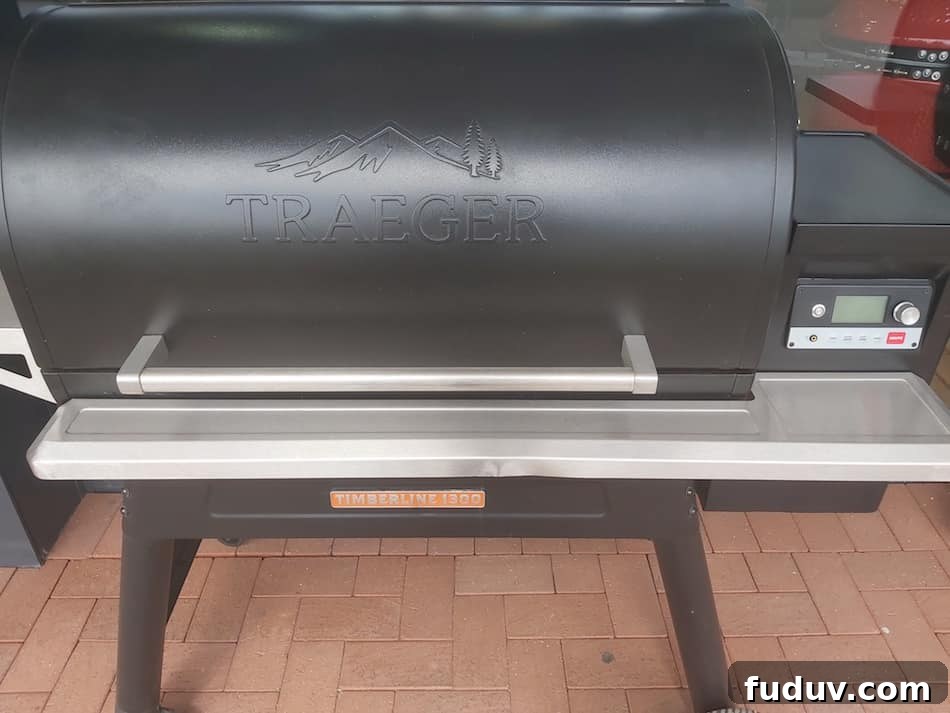
Pellet Grills Can Explode!
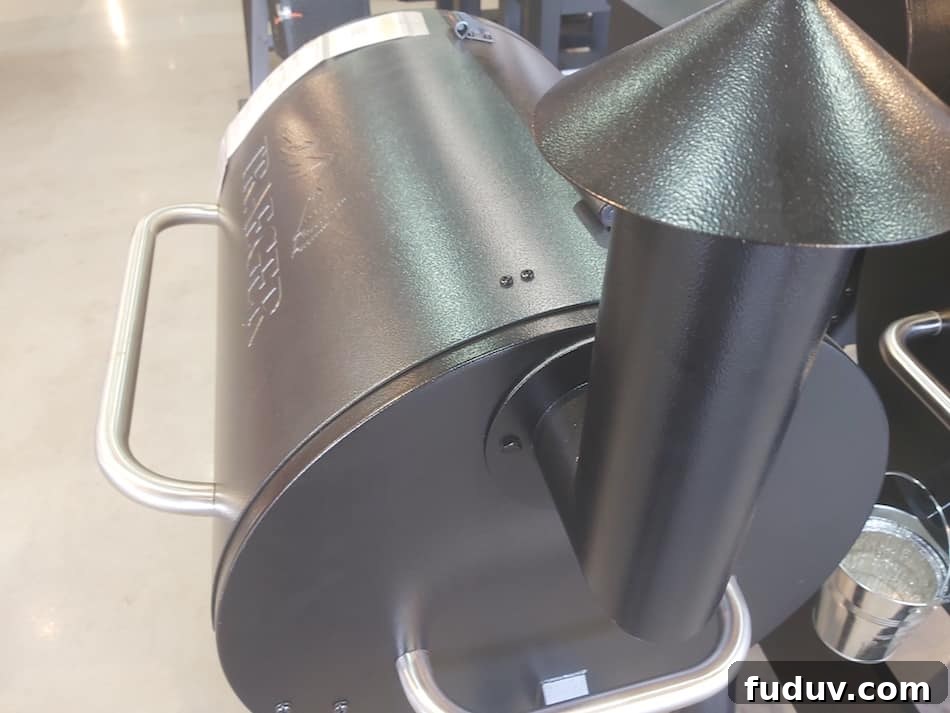
Although rare, pellet grill explosions are possible if exhaust paths are blocked or if electronics fail. A blocked smoke stack can trap gases and lead to pressure build-up. Creosote, debris, or a malfunctioning control board may create dangerous conditions. Preventive steps include keeping vents and stacks clean, inspecting electronics, and following maintenance guidelines to reduce the risk of fire or explosion.
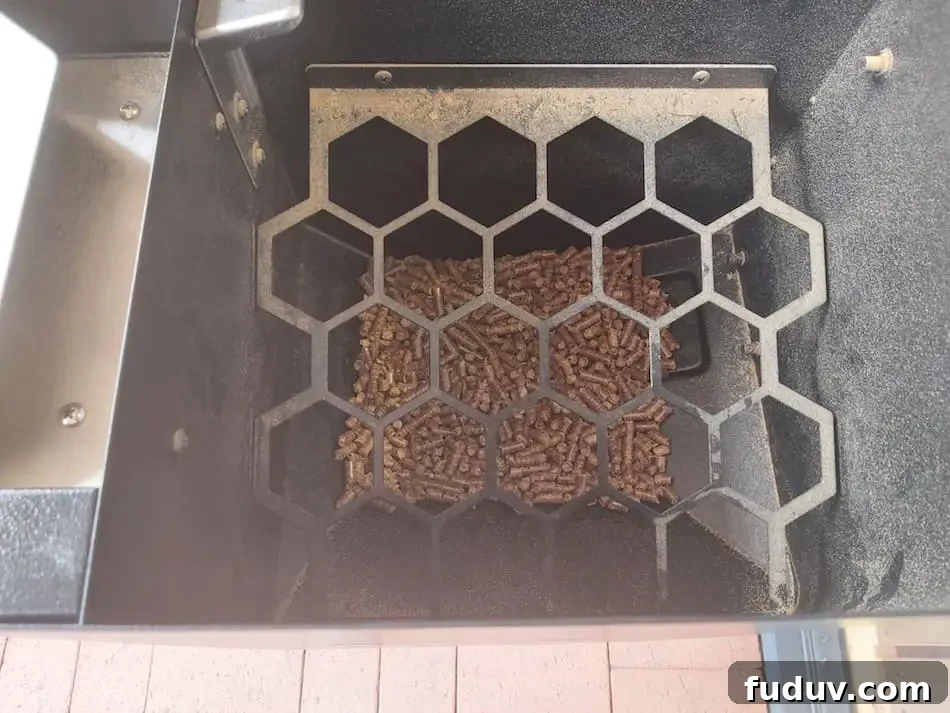
Back Burns In The Hopper Are Also Common
Back burns occur when pellets ignite in the auger or hopper rather than the fire pot, producing heavy smoke and posing a fire risk. Blockages, pellet clumps, or electrical issues can cause back burns. If you suspect a back burn, stop using the grill, allow it to cool, clear blockages, and replace any faulty components. Regular cleaning and inspection are essential to prevention.
Can You Leave Charcoal Smokers Unattended?
It’s generally unwise to leave a charcoal smoker unattended. Key hazards include grease fires, carbon monoxide, accidental fires from nearby combustible materials, embers carried by wind, and overheating. Weather changes can dramatically affect coal behavior and temperature. Keep charcoal smokers in well-ventilated, protected locations and monitor them closely while lit.
- Grease fires: Excess fat or oil that drips onto coals can ignite and spread quickly.
- Carbon monoxide: Charcoal generates CO; never use a charcoal smoker in an enclosed space.
- Accidental fires: Wind, embers, or nearby flammables can cause fires if the smoker is unattended.
- Weather changes: Wind and rain can destabilize coals and alter temperatures rapidly.
- Flying embers: Embers can ignite vegetation or wooden decks—keep distance and use spark control where available.
- Overheating: Monitor temperatures and follow manufacturer guidance to avoid dangerous spikes.
Use A Temperature Controller For Your Charcoal Grill
Temperature controllers add a fan to regulate airflow and maintain stable temperatures, turning many charcoal setups into reliable set-and-monitor systems. They’re especially helpful for long cooks, improving fuel efficiency and reducing temperature swings. However, controllers are not a substitute for vigilant safety practices and proper smoker maintenance.
Dual-probe thermometers and controllers together provide better oversight: one probe monitors the smoker box while another monitors the meat.
Grease Fires In Charcoal Smokers
- Grease fires occur when fat or oil drips onto hot coals and ignites. These fires spread quickly and require immediate action.
- How to prevent grease fires:
- Trim excess fat from meats.
- Use a sturdy drip pan to collect drippings.
- Monitor smoker temperature and clean grease build-up regularly.
- Never leave a lit smoker unattended.
Charcoal Smoker Safety
- Choose a safe location: Keep the smoker away from structures, dry grass, and flammable objects.
- Use proper ventilation: Operate charcoal smokers outdoors in well-ventilated areas to prevent carbon monoxide buildup.
- Keep a fire extinguisher nearby: Be ready to respond quickly if a fire starts.
- Follow the manual: Use your smoker according to the manufacturer’s safety and maintenance instructions.
Some Charcoal Smokers Are Safer Than Others
Well-built designs like drum smokers, Weber Smokey Mountains, and Kamado ceramic cookers offer better insulation and stability, which reduces temperature fluctuation and often improves safety. Their heavy construction and seals help maintain steady temps and limit sudden changes that can cause hazards.
Before You Leave Your Smoker – Understand Your Pit
Only consider leaving a smoker unattended if you have extensive experience with that specific model. Know how its temperature behaves, how long fuel lasts, and how vents affect heat. Repeated cooks teach you how the smoker responds, which reduces unexpected surprises.
What’s The Weather Forecast?
Check local weather before leaving your smoker. Wind can rapidly change oxygen intake and temperature. Cold weather requires more fuel; hot, dry conditions increase fire risk from stray embers. Avoid leaving a smoker unattended in adverse weather.
Flying Embers
Windy conditions raise the chance of embers igniting nearby materials. Keep smokers well away from gardens, dry grass, and wooden decks.
Buy A Decent Thermometer For Peace Of Mind
Good thermometers—especially dual-probe models—are essential for safety and consistent results. They monitor both the smoker environment and internal meat temperature. For overnight cooks, reliable thermometers can alert you to dangerous temperature shifts.
- Safety: Monitoring prevents overheating and allows rapid response to problems.
- Accuracy: Dual probes let you manage both smoker and meat temperatures precisely.
Understand The Meat That You’re Smoking
Different cuts require different techniques and attention. Brisket, ribs, and poultry each behave differently in the smoker. Consider how the meat’s fat and connective tissue affect cooking time and grease production before deciding whether to step away.
How Long Will You Be Gone?
Short errands carry less risk than an entire day away. Many pitmasters will cook overnight but remain in the house with monitoring devices at hand. If you plan to be away for a long period, have someone available to respond to emergencies.
What If My Smoker Is Wi-Fi Controlled?
Wi‑Fi thermometers and pellet grills with remote monitoring make leaving a smoker more convenient, but they can encourage complacency. Remote monitoring helps detect temperature changes, but it doesn’t replace routine maintenance, physical inspections, and basic safety precautions.
Can you Leave Your Smoker Overnight?
Overnight cooks are common, but caution is essential. If you plan to leave a smoker overnight, use a well-built, well-maintained unit, reliable thermometers, and preferably someone nearby to respond if an alarm sounds. High-end smokers like Weber, Kamado, or well-sealed drum smokers provide more confidence than cheap, poorly sealed units.
More Meat Smoking Safety Tips
General safety reminders:
- To stop a fire: remove fuel, oxygen, or heat.
- If your smoker ignites, deprive it of oxygen by closing vents and doors where safe.
- Electric smokers: unplug and close doors in case of fire.
- Gas smokers: turn off valves and the main tank, then close lids and doors.
- Charcoal smokers: close vents and lids to starve flames.
- Keep a fire extinguisher and welding blanket available.
- Maintain distance from your house and flammable surfaces; be cautious on wooden decks.
- Clean grease regularly and use sturdy drip pans; avoid foil pans that can leak.
- Do not overload the smoker with meat to prevent excessive drippings.
- Check local fire bans during hot, dry weather.
- No smoker is truly “set-and-forget”—all involve some risk when fire is present.
The Dangers of Cheap Smokers
Inexpensive smokers often lack proper seals and insulation, leading to large temperature swings. Cheap offset smokers may require frequent refueling and close attention. Invest in quality construction if you plan unattended or long cooks.
Can you leave an Electric Smoker Unattended?
Electric smokers are generally safer because they use no open flame, have fewer combustible fuels, offer consistent temperature control, and don’t produce carbon monoxide. They still require adherence to safety guidelines and manufacturer instructions.
Can You Leave a Propane Smoker?
Propane smokers are relatively safe but someone should be available to shut off gas in an emergency. If the flame goes out, your food may be undercooked, so monitor gas units closely and follow safety procedures if a fire occurs.
Kamado Fire Safety
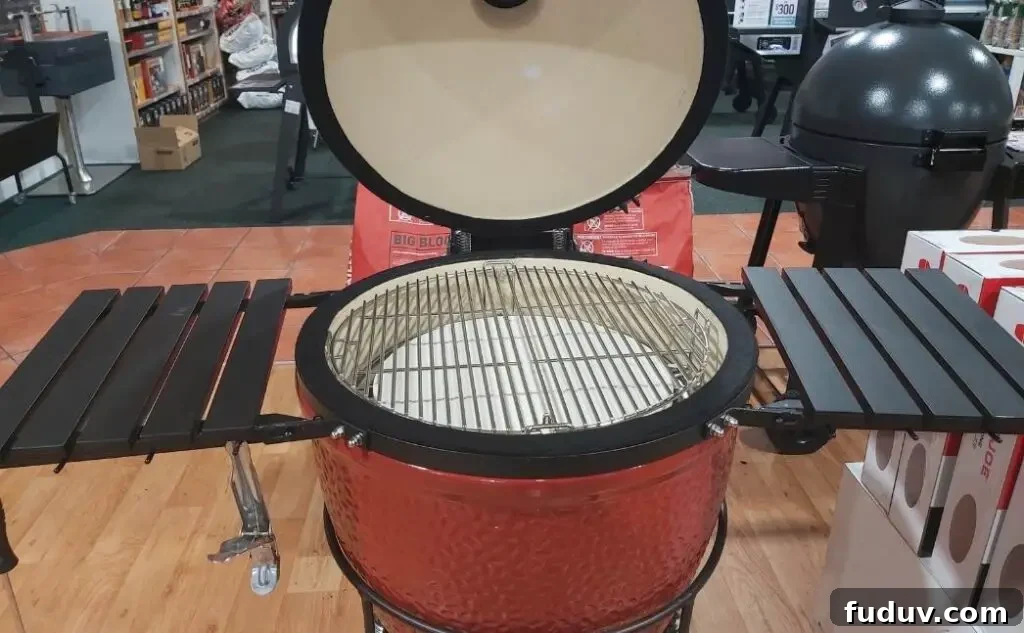
Kamado-style ceramic smokers are well-insulated and effective but can have rapid temperature spikes if vents are left open or disturbed. Keep lids closed during cooking and secure the area to prevent accidental contact by children or pets.
My Favorite Meat Smoking Tools
Below are common tools many pitmasters recommend for safer, more reliable smoking. Choose gear that fits your needs and follow manufacturer guidance for safe use.
Meat Thermometer: A reliable dual-probe thermometer helps monitor both the smoker and the meat. A quality unit provides accuracy and durable probes for long cooks.
Instant Read Thermometer: Useful for quick spot checks during the finishing stages of a cook.
Wireless Thermometer: Wi‑Fi and Bluetooth models allow remote monitoring and alerts.
Butcher Paper: Food-grade, unwaxed paper is preferred for wrapping brisket during the stall and finish stages.
Advanced Thermometer and Automatic Temperature Controller: Multi-channel controllers can monitor several probes and link to blowers to regulate charcoal smokers for longer, steadier cooks.
Meat Thermometers – Your Most Important Tool
A good meat thermometer is essential for safety and quality. Use it to track both internal meat temperature and smoker temperature so you can respond to changes quickly and reliably.