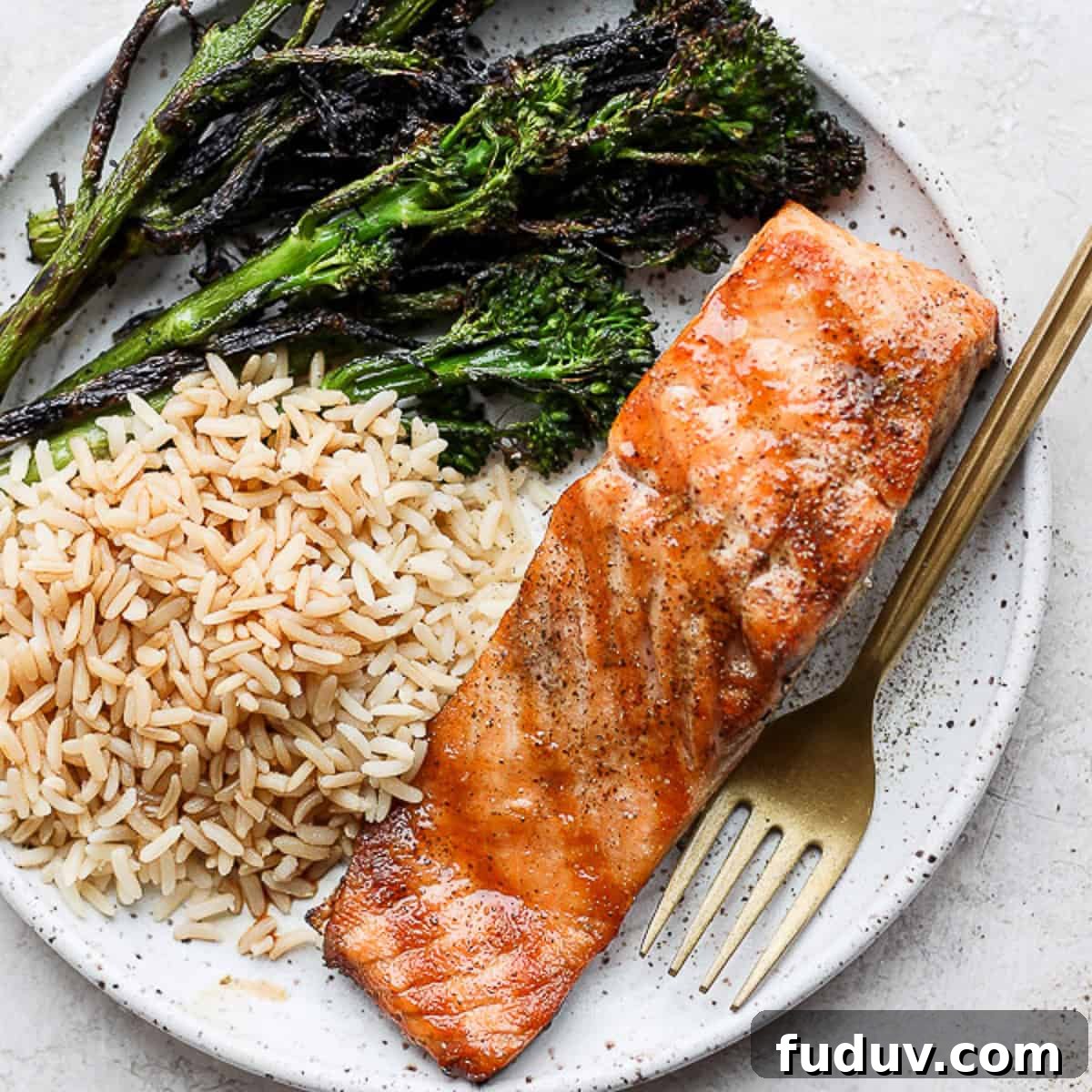
An easy, step-by-step guide to grilling salmon perfectly every time — a fast, healthy choice for weeknight dinners.
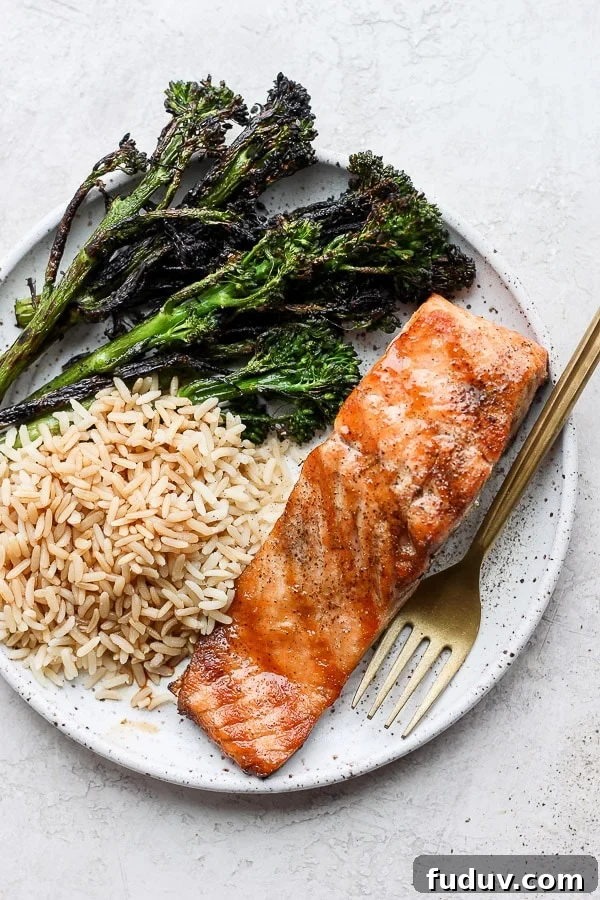
How to Grill Salmon 101
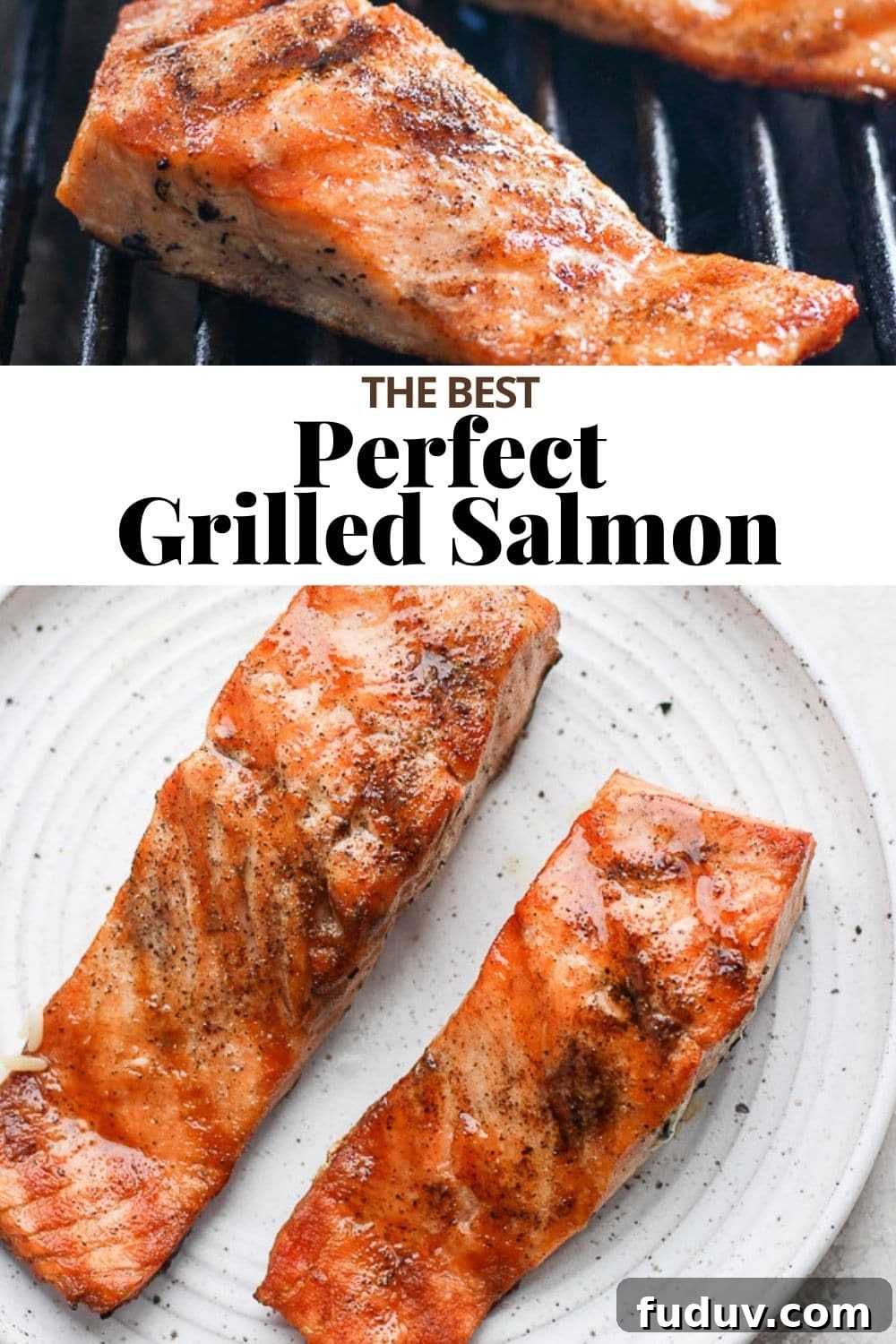
This practical guide explains how to grill salmon with consistent results. Grilled salmon is one of our go-to dinners — quick to prepare, loved by kids, and excellent reheated for salads, frittatas, or grain bowls the next day. It’s nutritious, versatile, and simple to make at home.
Looking for More Ways to Cook Salmon?
If you enjoy grilled salmon, try other simple preparations like pan-seared salmon or air-fried salmon bites to vary textures and flavor profiles.
What You Will Need
- Fresh salmon fillets – pick them up the day you plan to grill if possible. If using frozen fillets, thaw them completely before cooking.
- Kosher salt and ground black pepper – simple, classic seasonings that highlight the fish.
- Olive oil – a light brushing helps prevent sticking and promotes browning.
How To Grill Salmon
Start by assembling the ingredients and preparing the grill and fillets for a smooth cook.
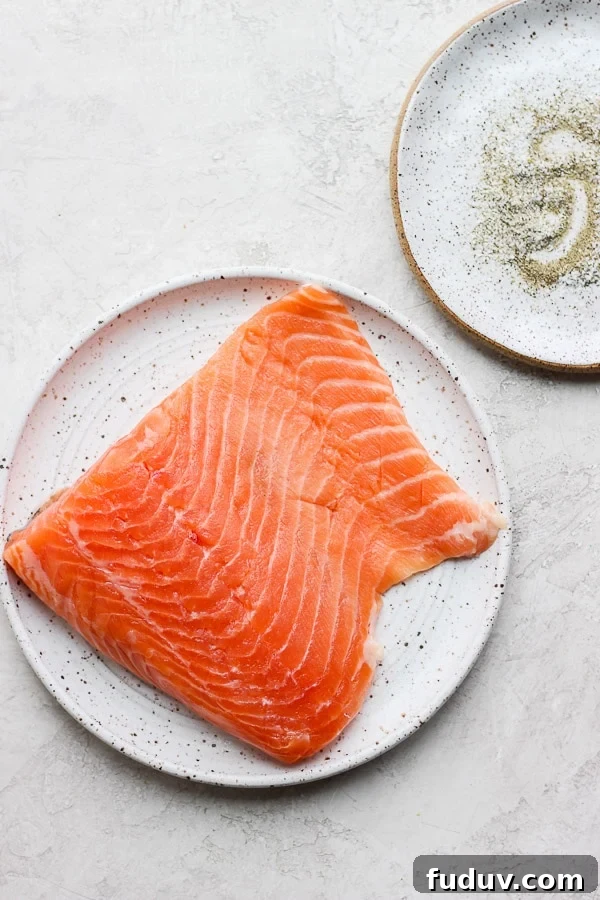
Add Even More Flavor
Salt and pepper are all you need, but you can boost flavor with a simple marinade, a citrus drizzle, or a dry rub to suit your taste.
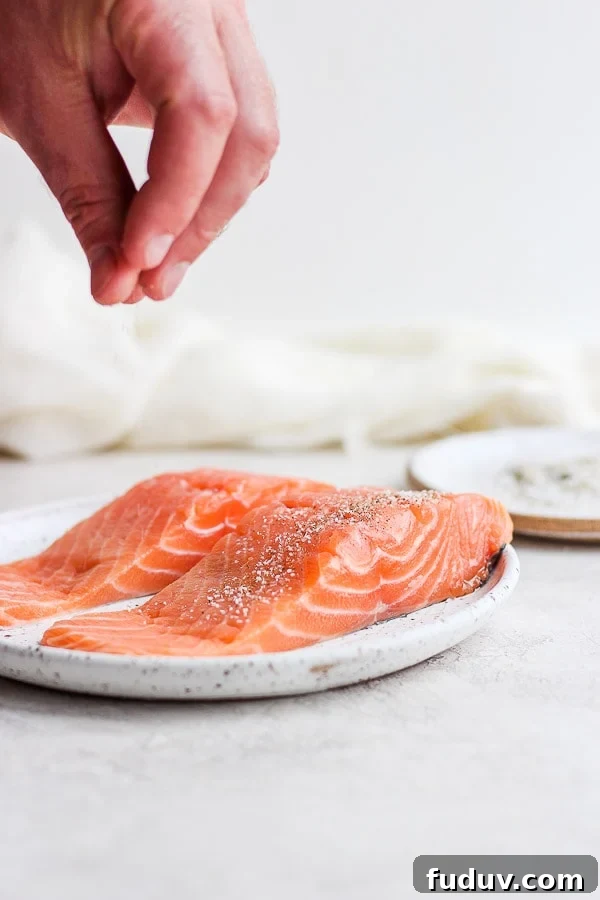
Pat salmon fillets dry with paper towels to remove excess moisture for better searing.
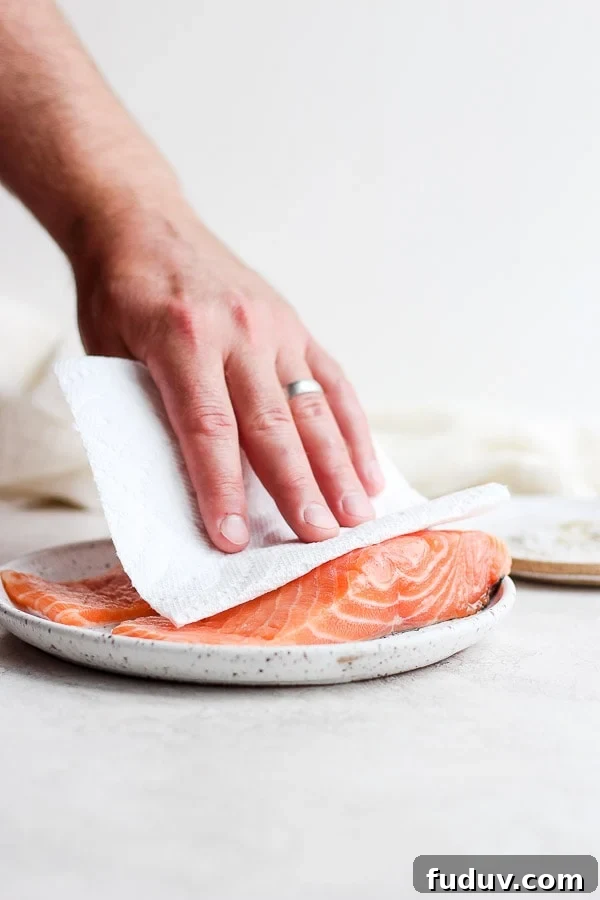
Brush the flesh lightly with oil (no need to oil the skin if present) and season all sides with kosher salt and black pepper.
How Long to Grill Salmon
Grill salmon about 4–5 minutes per 1/2 inch of thickness over direct heat, measured at the thickest part of the fillet. Check internal temperature to confirm doneness.
Grilled Salmon Temp
- Grill temperature: Aim for around 375°F while cooking. Starting the grill hotter (around 450°F) helps develop grill marks, then close the lid and let it settle to roughly 375°F while the salmon cooks.
- Internal temperature: The USDA recommends 145°F for salmon; many cooks remove the fish a few degrees earlier (about 135–140°F) because it will continue to cook slightly after resting.
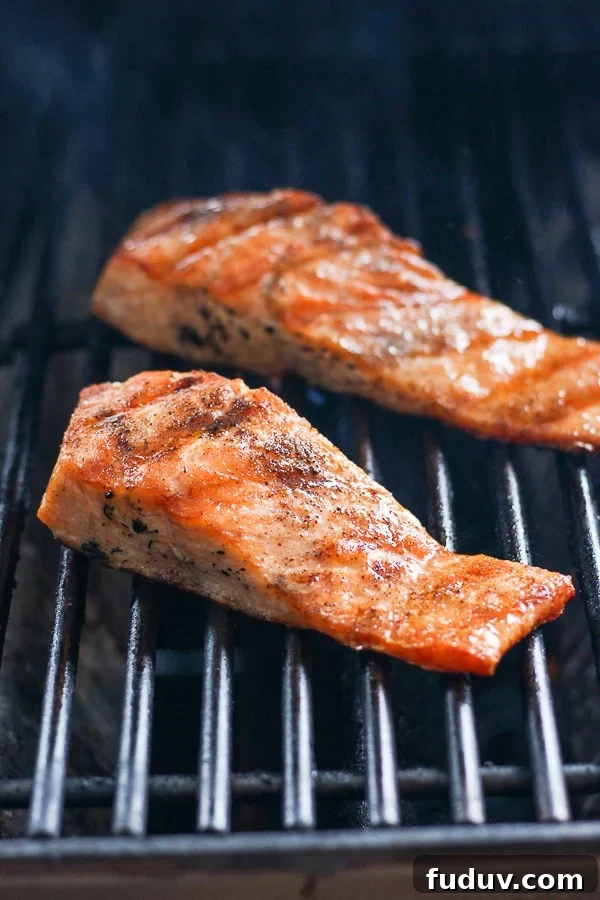
How to Know Salmon is Fully Cooked?
Digital meat thermometer: Insert into the thickest part of the fillet; 140–145°F indicates doneness. Remember the temperature will rise slightly as the fish rests.
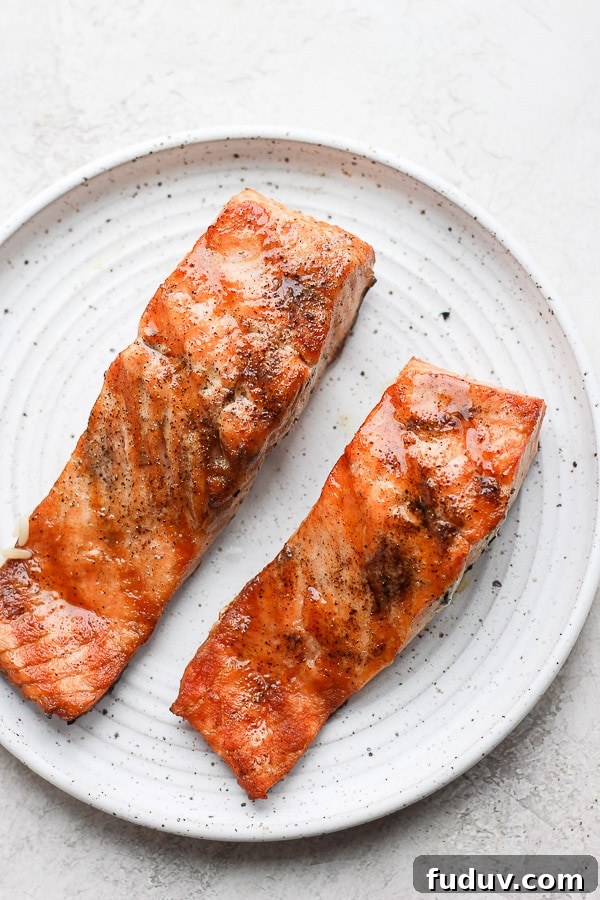
Flakiness: Cooked salmon will be opaque at the thickest point and will flake easily with a fork.
Recipe FAQs and Tips
- With skin vs. without skin: Cooking time is essentially the same. If the fillet has skin, start skin-side down. The skin protects the flesh from overcooking and helps prevent sticking.
- Buying and storing salmon:
- Use salmon the same day it’s purchased whenever possible for the best flavor and texture.
- Fresh is preferable to frozen, but freeze any fish you won’t use within a day or two in an airtight container for up to three months.
- If using frozen salmon, thaw it overnight in the refrigerator.
If you made this recipe and enjoyed it, please consider leaving a rating or comment describing any changes you made — it helps other cooks and is appreciated.
Other Recipes You Might Like
- Cedar Plank Salmon
- Smoked Salmon
- Blackstone Salmon Bites
- Pan Seared Salmon
How to Grill Salmon (with skin + without skin)
Ingredients
- 4 salmon fillets, 6–8 oz each (about 1 inch thick at the thickest point)
- extra virgin olive oil, substitute avocado oil if preferred
- kosher salt & ground black pepper
Instructions
-
Prep grill: Preheat to high (450–500°F). Clean the grates and lightly oil them to reduce sticking.
-
Prep salmon: Pat 4 salmon fillets dry. Brush the flesh with olive oil (skin can remain un-oiled) and season with kosher salt and black pepper.
-
Grill salmon with skin: Place skin-side down over direct heat and close the lid. Lower the grill so it stabilizes near 375°F and cook about 4 minutes with the lid closed. Use a metal spatula to loosen the skin from the grates, then flip the fillets to a different greased spot and continue cooking 5–6 minutes more, until the internal temperature reaches about 135–145°F or the fish flakes easily.
-
Grill salmon without skin: Place fillets over direct heat, close the lid, and cook roughly 4 minutes. Flip to a fresh greased spot and cook another 5–6 minutes, until the thickest part reaches 135–145°F or the flesh flakes easily.
-
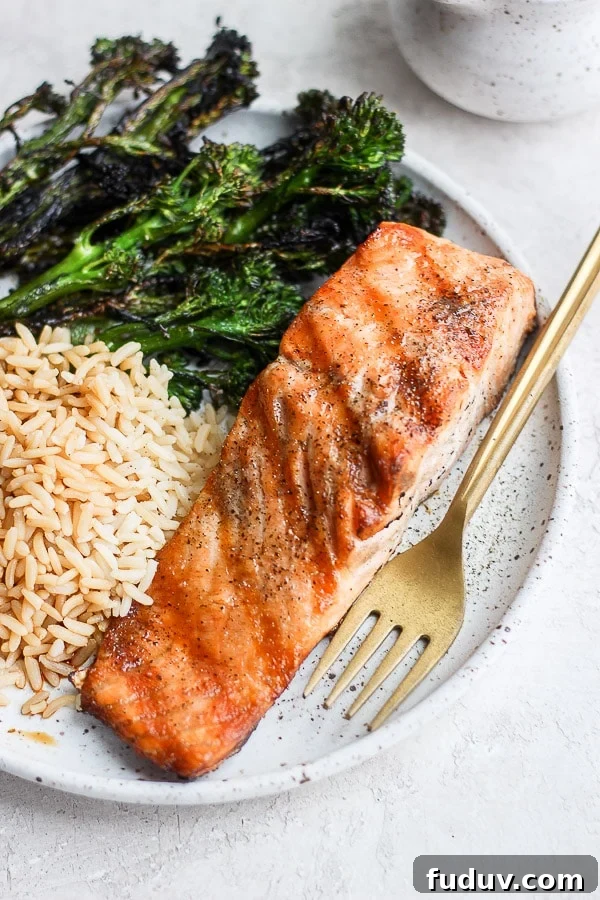
Serve: Remove from the grill when done and serve immediately. Allow a brief rest if desired so juices redistribute.
Notes
- Clean and greased grates: Properly oiled grates prevent sticking. If salmon sticks, it’s usually due to insufficient oil or flipping too soon.
- Cooking guideline: A common rule is 3–4 minutes per half-inch at 375°F, flipping once, or until the internal temperature reaches 145°F per USDA recommendations.
- Finishing touch: For extra shine and richness, brush a little oil on the fillets after grilling.