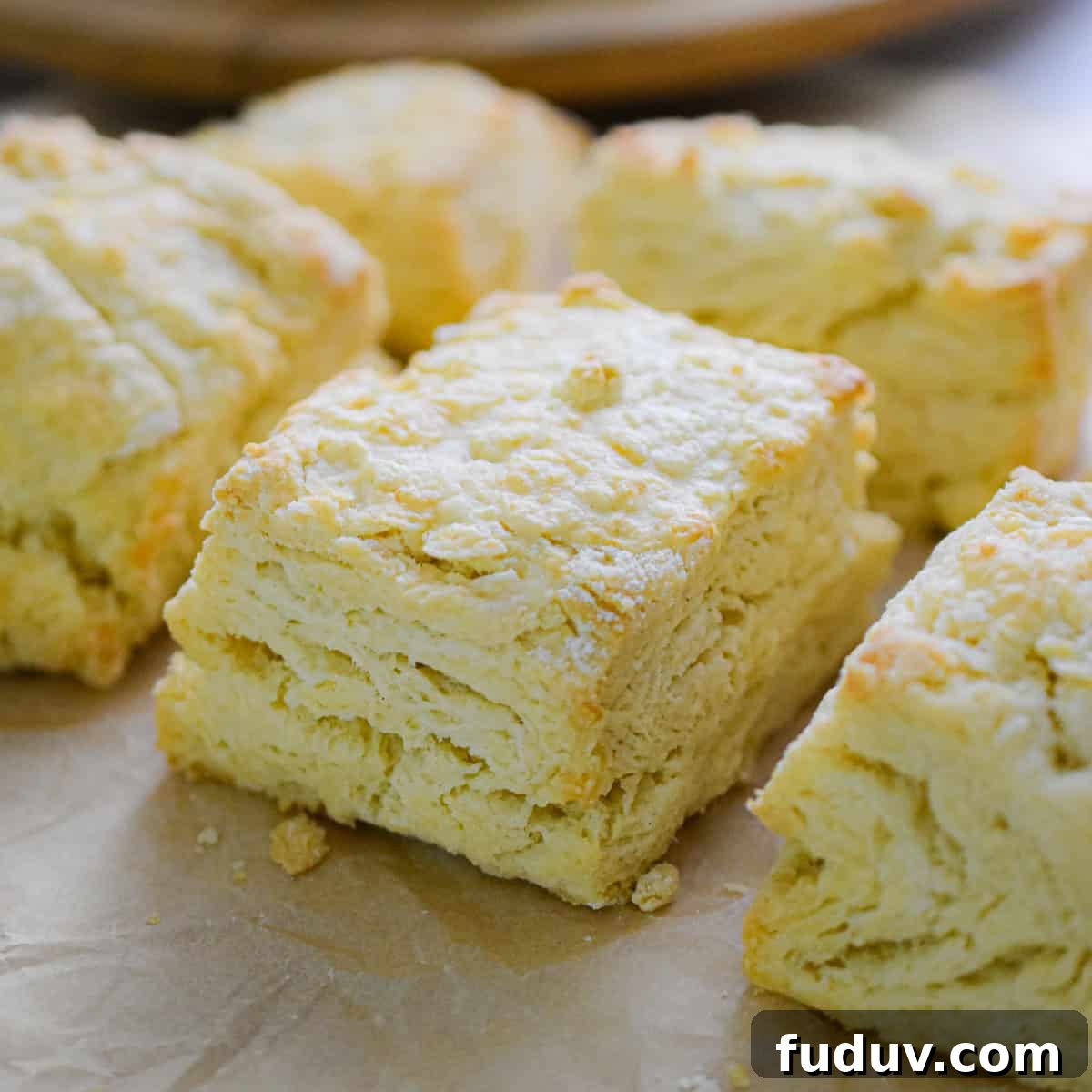
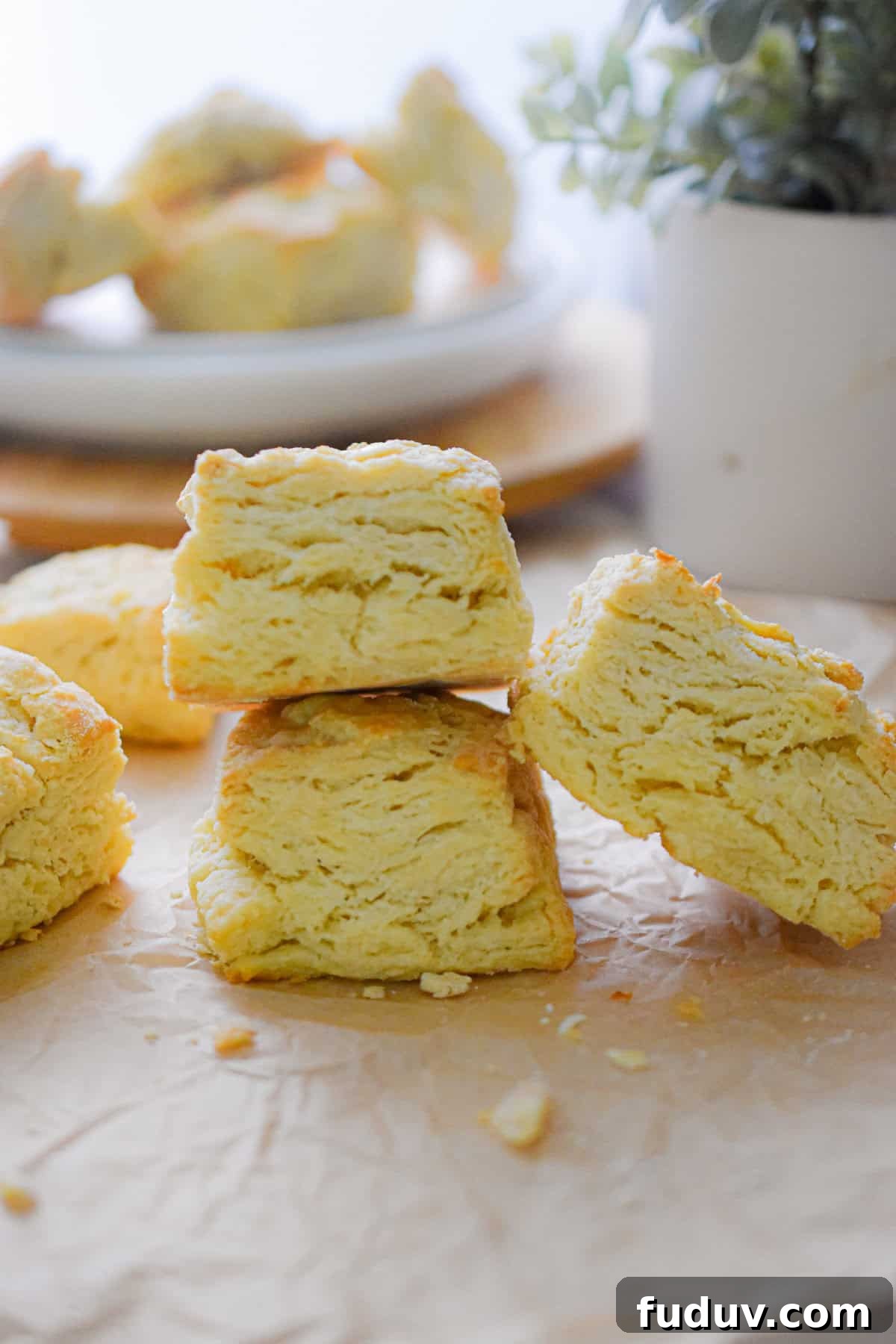
I started making these self-rising flour biscuits years ago when I ran out of baking powder and needed a quick side for soup, and I’ve never looked back. Now I serve them for breakfast, brunch, or as a tasty side with dinner. These homemade biscuits made with self-rising flour are always a hit.
If you have extra self-rising flour on hand, try making strawberry muffins as well.
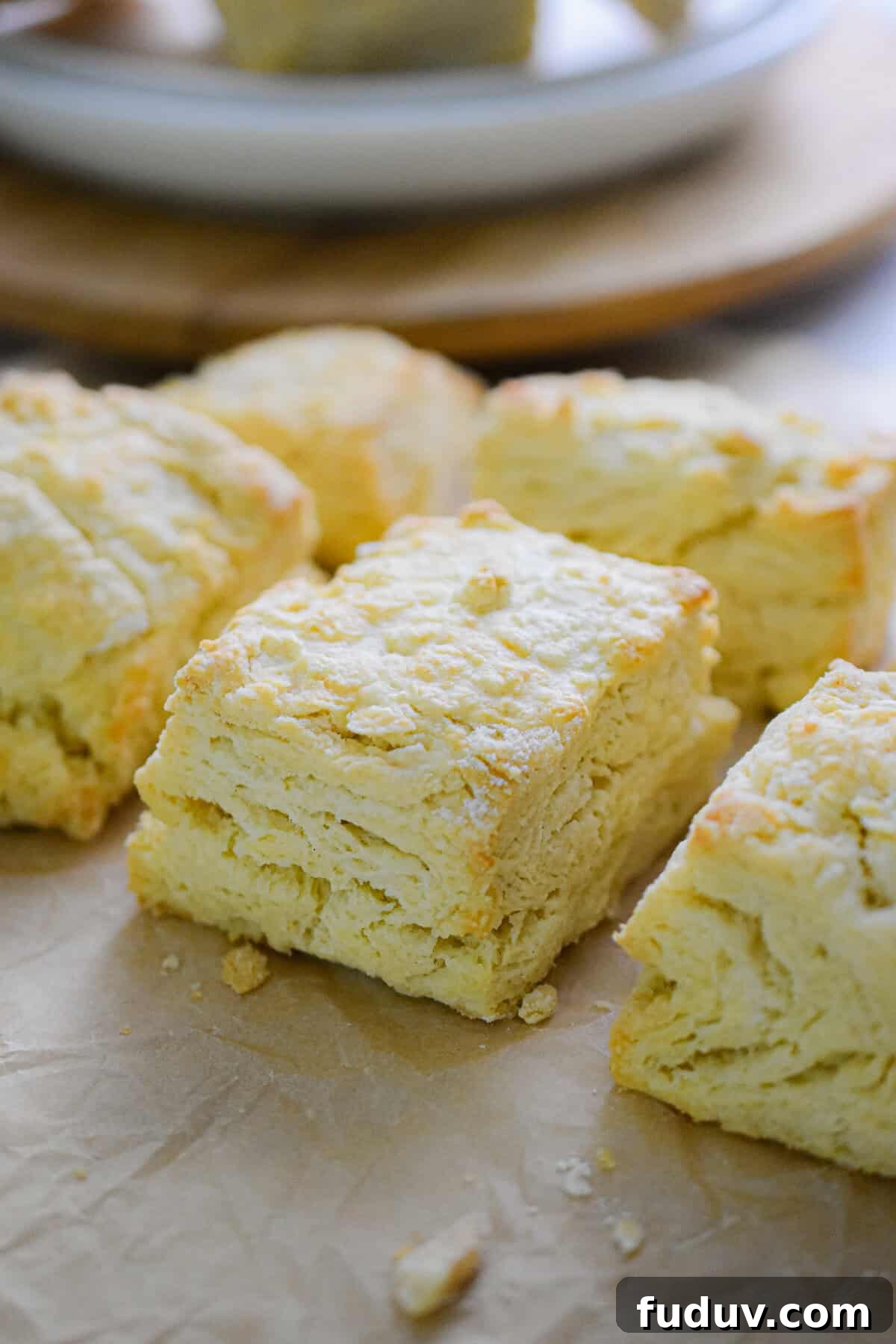
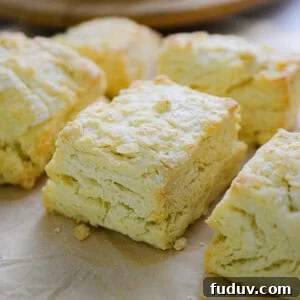
I love cooking with self-rising flour—it’s a pantry staple for me. I’ve tested many recipes using it, and these biscuits are one of my favorites. They turn out fluffy, light, and make a perfect accompaniment to so many meals. I especially enjoy spreading them with butter and mixed berry jam for a simple, delicious treat.
Self-rising flour is a convenient shortcut because it already contains baking powder and salt. It’s perfect for quick recipes like pancakes, banana bread, waffles, and of course, biscuits. When a recipe calls for self-rising flour, don’t add extra baking powder or salt—those are already built in.
[feast_advanced_jump_to]
What Is Self-Rising Flour?
Self-rising flour (also called self-raising flour) is a blend of all-purpose flour, baking powder, and salt. It eliminates the need to measure leavening and seasoning separately, which makes baking faster and less fussy. That convenience is why many home bakers keep it in the pantry.
Using self-rising flour in biscuits removes much of the guesswork and saves time while still delivering great texture and rise. Be mindful not to add extra baking powder or salt to recipes that already call for self-rising flour.
Self-rising flour has been in use since the 1800s, when an English baker developed the mix to simplify baking. Today it’s especially popular for quick baked goods and many traditional Southern recipes.
Ingredients to Gather
To make these biscuits with self-rising flour, you’ll need:
- 2 cups self-rising flour. You can make your own or buy it in the baking aisle next to all-purpose flour.
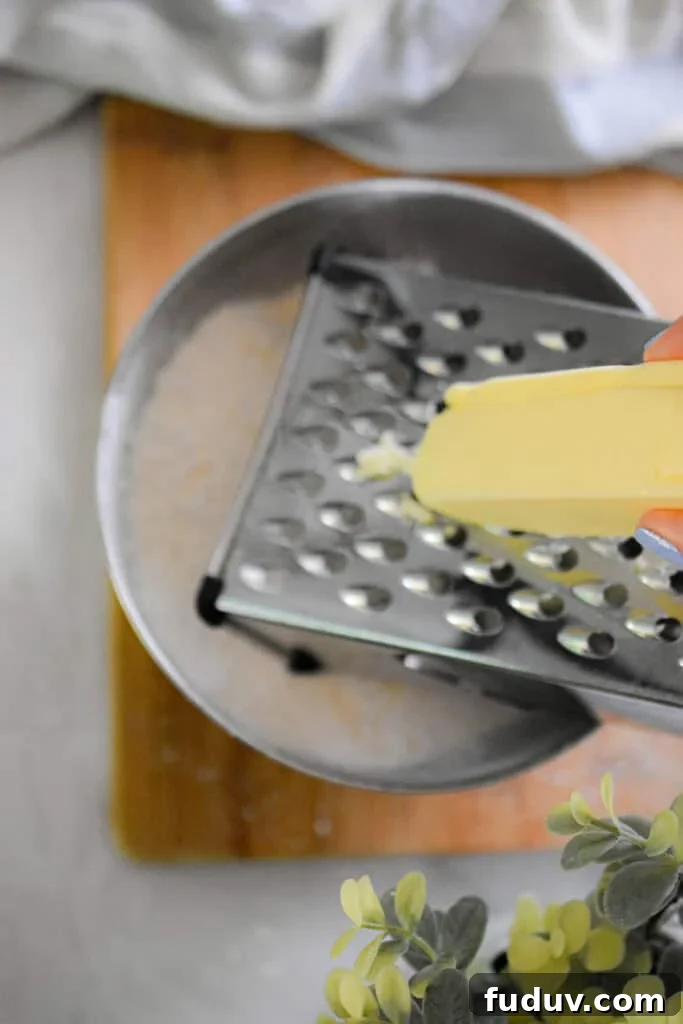
- Cold unsalted butter. Cut into small cubes or grated with a cheese grater so it distributes evenly throughout the dough. Using unsalted butter avoids adding too much salt, since self-rising flour already contains salt.
- Milk. Whole milk is my preference, but buttermilk also works and adds extra flavor.
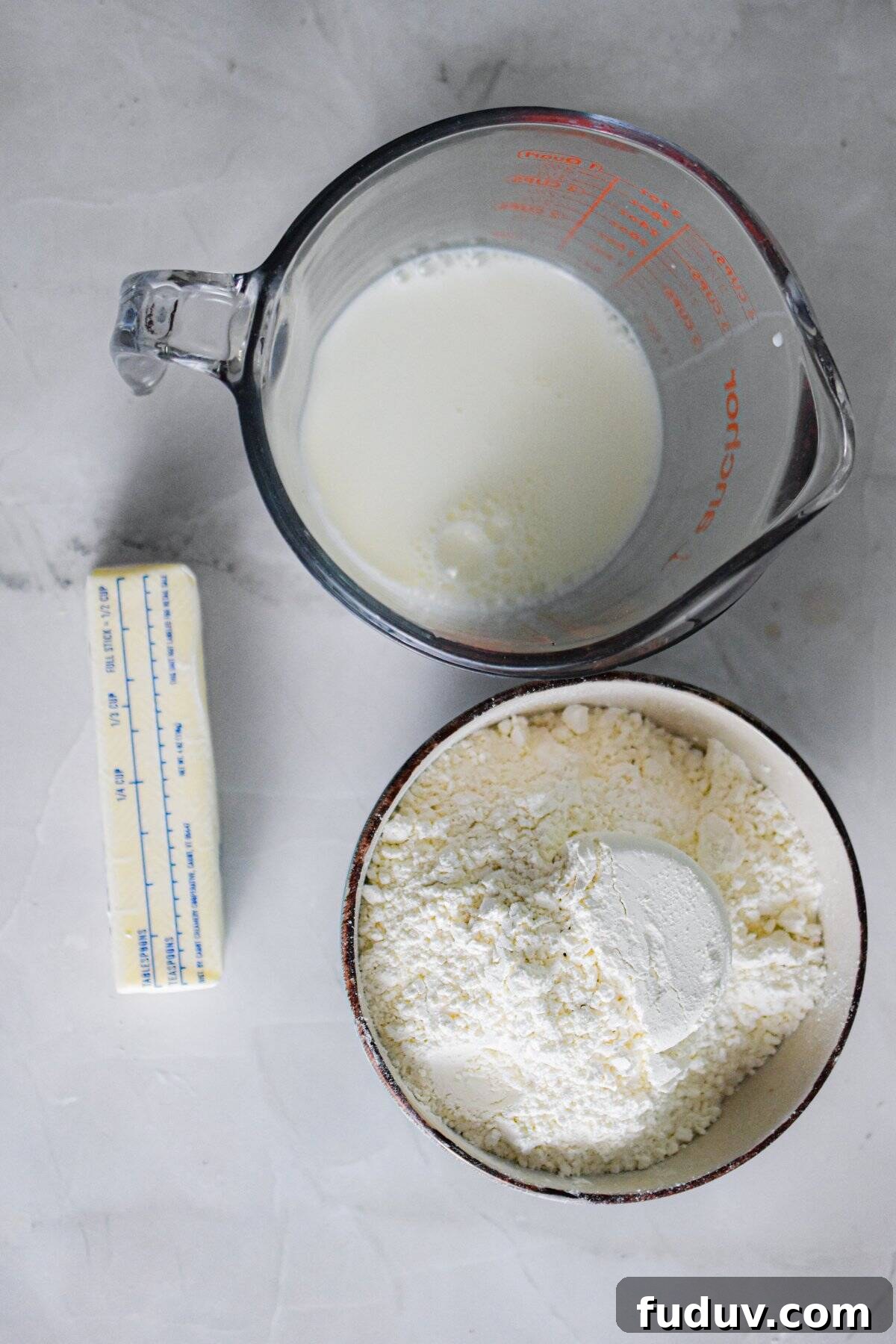
Refer to the printable recipe card for exact ingredient amounts and full recipe details.
Substitutions and Variations
- Add herbs and cheese: Stir 1 cup shredded sharp cheddar and 1 tablespoon chopped fresh herbs (chives, parsley, or thyme) into the flour before adding butter. These are great with soups or chili.
- Make dessert biscuits: Add 2 tablespoons sugar and ½ teaspoon cinnamon to the flour, and finish the warm biscuits with a powdered sugar glaze. They work well for strawberry shortcake or a quick brunch treat.
- Use them for strawberry shortcake: Top biscuits with whipped cream and macerated strawberries for an easy, crowd-pleasing dessert.
- Make them savory: Fold in ½ cup cooked crumbled bacon and ¾ cup shredded cheddar for sandwiches or a savory breakfast option.
Step-by-Step: How to Make Biscuits with Self-Rising Flour
Step 1
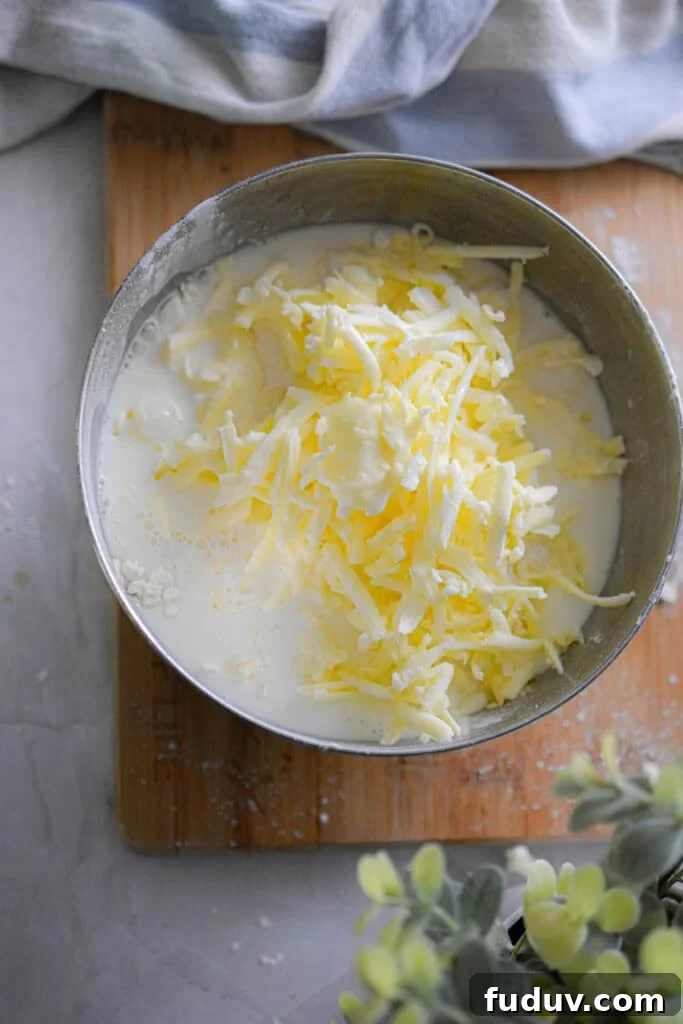
Preheat the oven to 450°F and line a baking sheet with parchment paper. In a large bowl, add the self-rising flour. Cut in the cold butter with a pastry cutter, fork, or your fingers until the mixture resembles coarse crumbs. Grating the butter also works well. Keeping the butter very cold helps create flaky layers.
Step 2
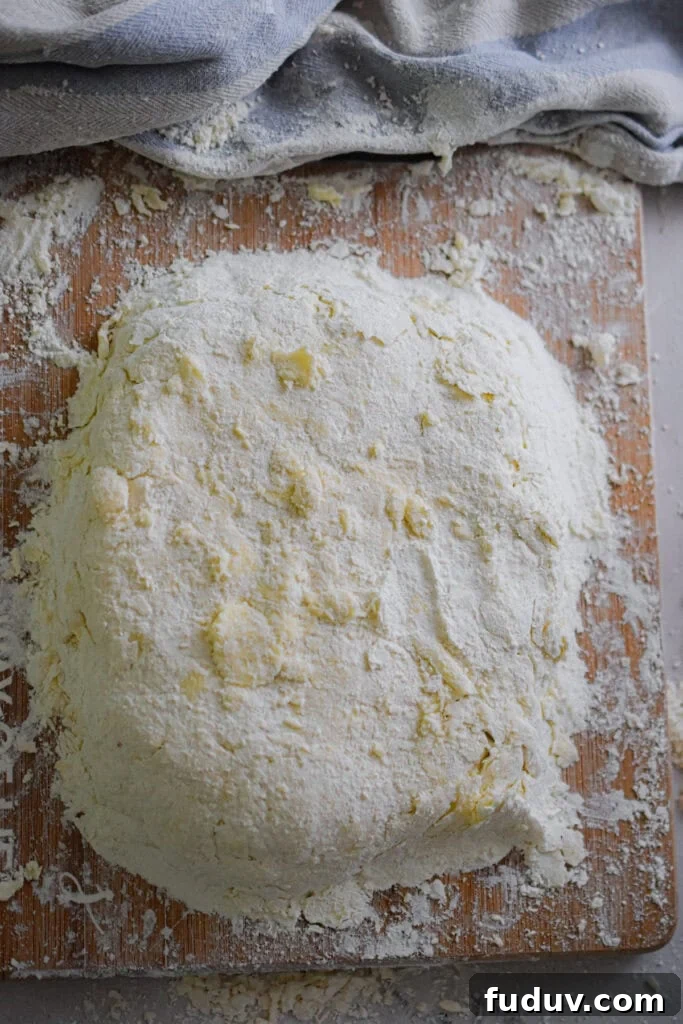
Pour in the milk and stir just until the dough comes together. The dough will be slightly sticky—that’s normal. Avoid overmixing.
Step 3
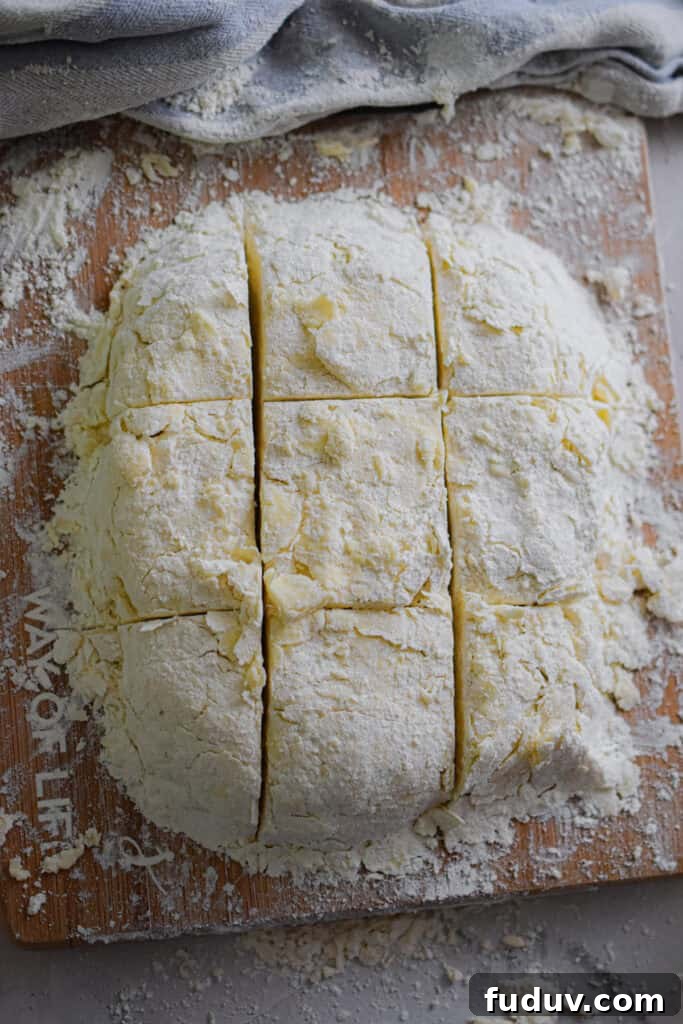
Turn the dough onto a lightly floured surface and gently pat it into a 1-inch thick round. Fold the dough over itself once or twice to create flaky layers, then pat it down again.
Step 4
Use a biscuit cutter or a glass to cut rounds and place them on the baking sheet. Alternatively, cut into 9 squares for an even easier approach. Bake for 12–14 minutes, or until the tops are golden brown. If desired, brush with melted butter and serve warm with your favorite spreads.
Tips and Tricks for Perfect Biscuits
- Keep your butter cold. Cold butter creates flaky, layered biscuits.
- Use buttermilk for extra flavor. Buttermilk adds a tangy richness, though whole milk works well too.
- Don’t overwork the dough. Mix just until it holds together; overworking makes tough biscuits.
- Want taller biscuits? Fold the dough once or twice to stack layers before cutting.
- No biscuit cutter? Use a glass or cut into squares with a knife—no waste and just as tasty.
How to Store Biscuits
Store leftover biscuits in an airtight container at room temperature for up to 2 days, or refrigerate for up to 5 days. To reheat, warm in a 300°F oven for 5–7 minutes or microwave for 15–20 seconds.
You can also freeze them. Freeze unbaked biscuits on a tray until solid, then transfer to a freezer bag. Bake from frozen, adding 2–3 extra minutes to the bake time.
Frequently Asked Questions
Yes. Use your preferred unsweetened non-dairy milk. The texture may differ slightly, but they will still be tasty.
Make sure the self-rising flour is fresh; old leavening can lose effectiveness. Also ensure the oven is fully preheated before baking.
All-purpose flour requires added baking powder and salt. Self-rising flour already includes those, so it simplifies and speeds up the process.
More Self Rising Flour Recipes
- Bakery-Style Strawberry Muffins (With Self Rising Flour)
- Chocolate Chip Muffins (with Self Rising Flour)
- How to Make Self Rising Flour Biscuits (Easy & Fluffy!)
- 40+ Recipes Using Self Rising Flour
Did you make this recipe and love it?
If you did, please leave a 5-star review and comment below. Share your creation on social media and tag @Lynn’sWayofLife or use the hashtag #lynnswayoflife.
📖 Recipe
Biscuits with Self Rising Flour
Print
Pin
Rate
Equipment
-
Mixing Bowls
-
Liquid Measuring Cup
-
Baking Sheet
Ingredients
- 2 cups Self rising flour Must be self-rising flour
- ½ cup Unsalted Butter Very cold
- ¾ cup Milk Whole milk or buttermilk
Instructions
-
Preheat your oven to 450°F and line a baking sheet with parchment paper.
-
In a large bowl, add the self-rising flour. Cut in the cold butter with a pastry cutter, fork, or your fingers until the mixture looks like coarse crumbs. Grating the butter works well—just make sure it’s very cold for flaky layers.
-
Pour in the milk and stir just until the dough comes together. It will be slightly sticky—do not overmix.
-
Turn the dough out onto a floured surface and gently pat it into a 1-inch thick round. Fold the dough over itself once or twice, then pat it down again to build layers.
-
Use a biscuit cutter or glass to cut rounds and place them on the baking sheet. You may also cut into 9 squares if you prefer.
-
Bake for 12–14 minutes, until the tops are golden. Brush with melted butter if desired and serve warm.
Notes
- Keep your butter cold. Colder butter yields flakier layers.
- Use buttermilk for extra flavor. Buttermilk adds tang and richness, though whole milk works fine.
- Don’t overwork the dough. Mix just until it comes together to keep biscuits tender.
- Fold the dough once or twice before cutting to help layers develop.
- No biscuit cutter? Use a glass or cut into squares with a knife.
The provided nutrition information is an estimate. The accuracy is not guaranteed.