
Sometimes the most ordinary foods hide surprising little secrets. That slice of bread? It may be more complicated than you think. Your morning coffee? It has a backstory worth a raised eyebrow.
Here we lift the curtain on everyday foods that quietly live double lives. Expect humor, a touch of drama, and a few delightful surprises.
Bananas Are Basically Drama Queens
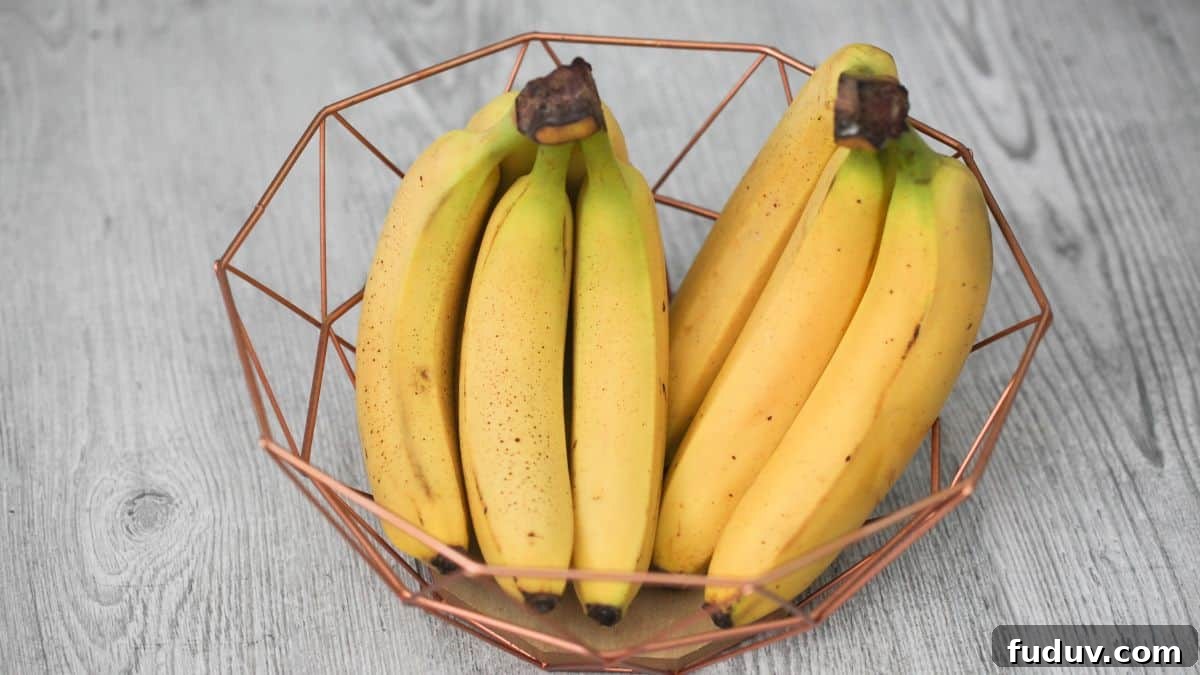
Bananas wear sunny yellow jackets, but their exterior can bruise at the slightest provocation. One wrong bump in a bag and the peel can look like it survived a brawl, even though the inside remains perfectly good. They’re the friend who insists “I’m fine” while clearly not being fine—sensitive, dramatic, and still the smoothie world’s MVP.
Bread Is Sneaky About Its Age
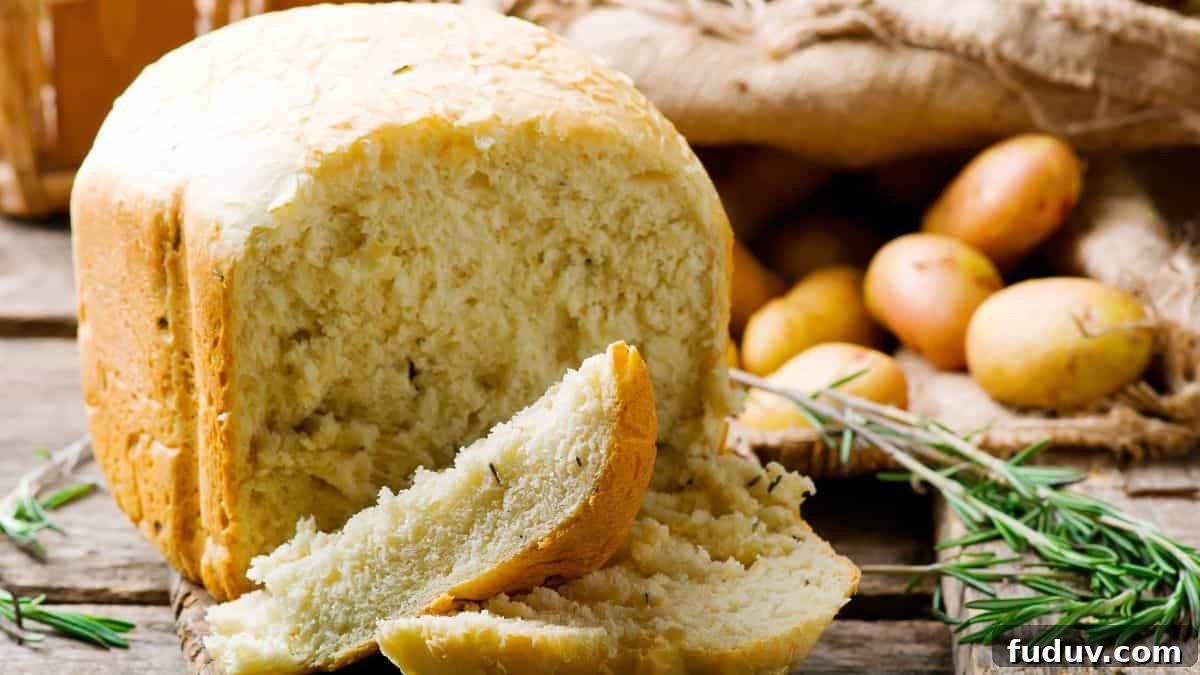
Fresh bread feels like a whirlwind romance: soft, warm, and fleeting. Yet many supermarket loaves have spent time in climate-controlled storage before they reach shelves, making “freshly baked” a flexible term. What appears as a fresh loaf at home can have a long supply-chain history. Charming on the outside, mysterious on the inside—bread knows how to keep secrets.
Coffee Beans Aren’t Actually Beans
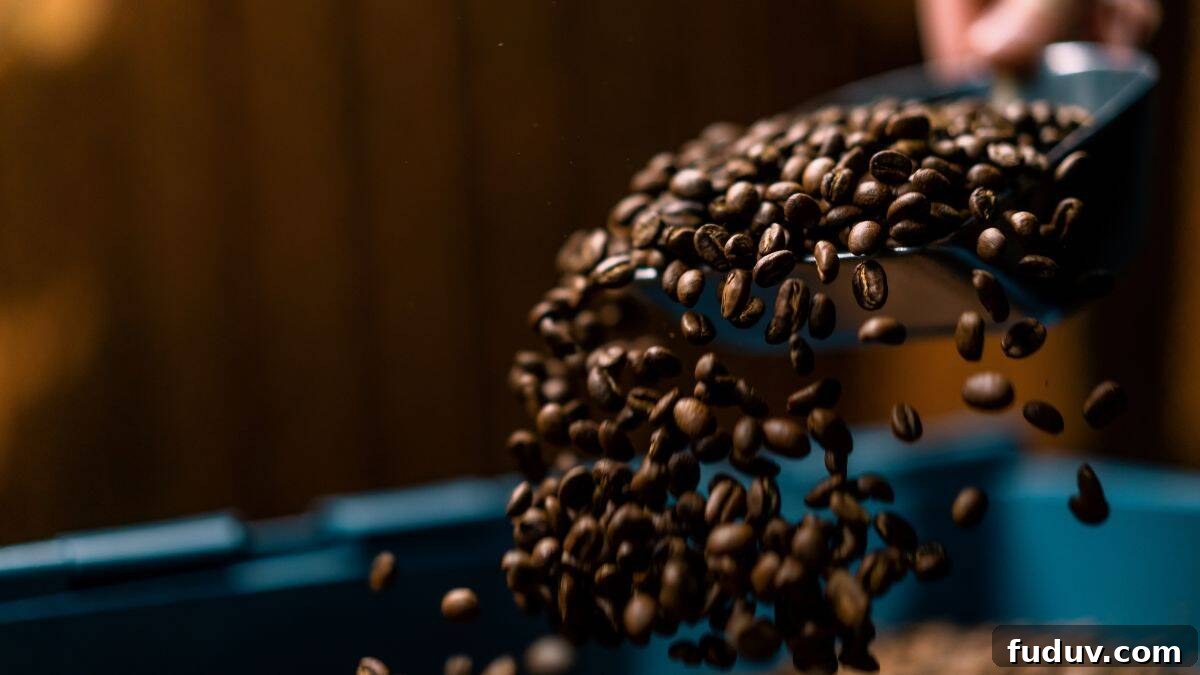
That morning fuel labeled “coffee beans” are in fact seeds—the pits of a fruit. Knowing your caffeine comes from fruit seeds adds a playful twist to your daily ritual. It’s a small identity surprise, but it doesn’t change the fact that millions of people still rely on that first cup every morning.
Carrots Once Tried To Be Fashion Icons
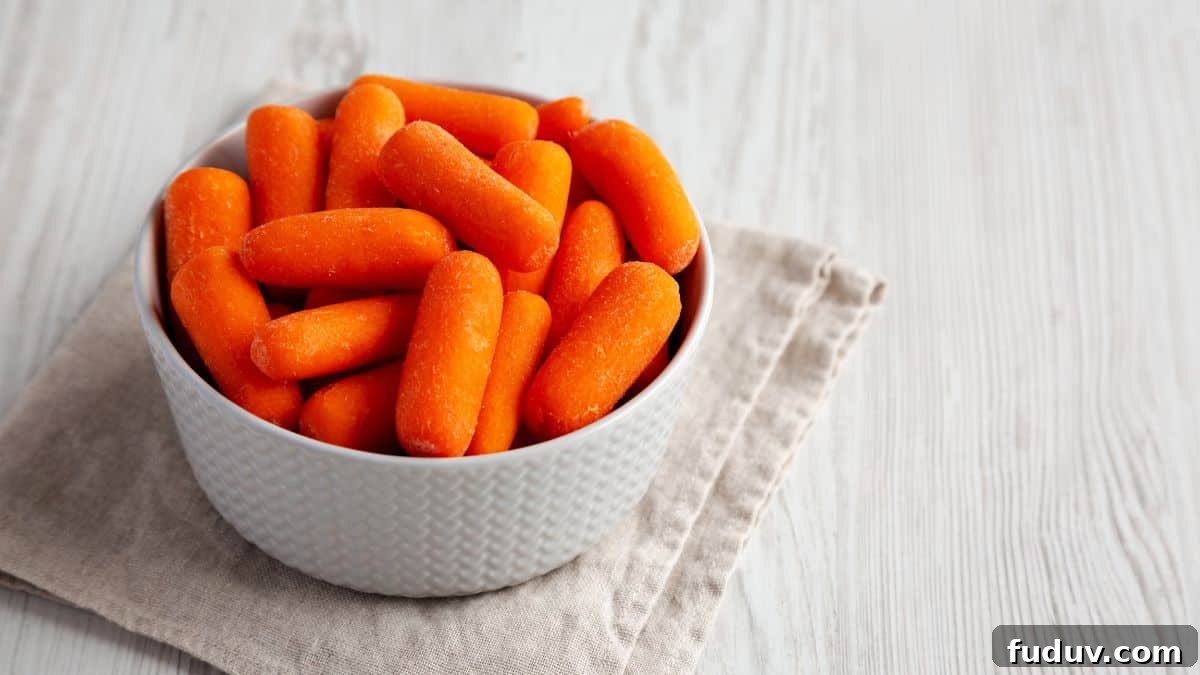
Carrots weren’t always orange. Historically they came in purple, yellow, white, and other shades. Over time, selective breeding and cultural preferences made orange the dominant variety. It’s a fun reminder that even humble vegetables can have a surprising fashion history.
Peanut Butter Has Serious Glue Energy
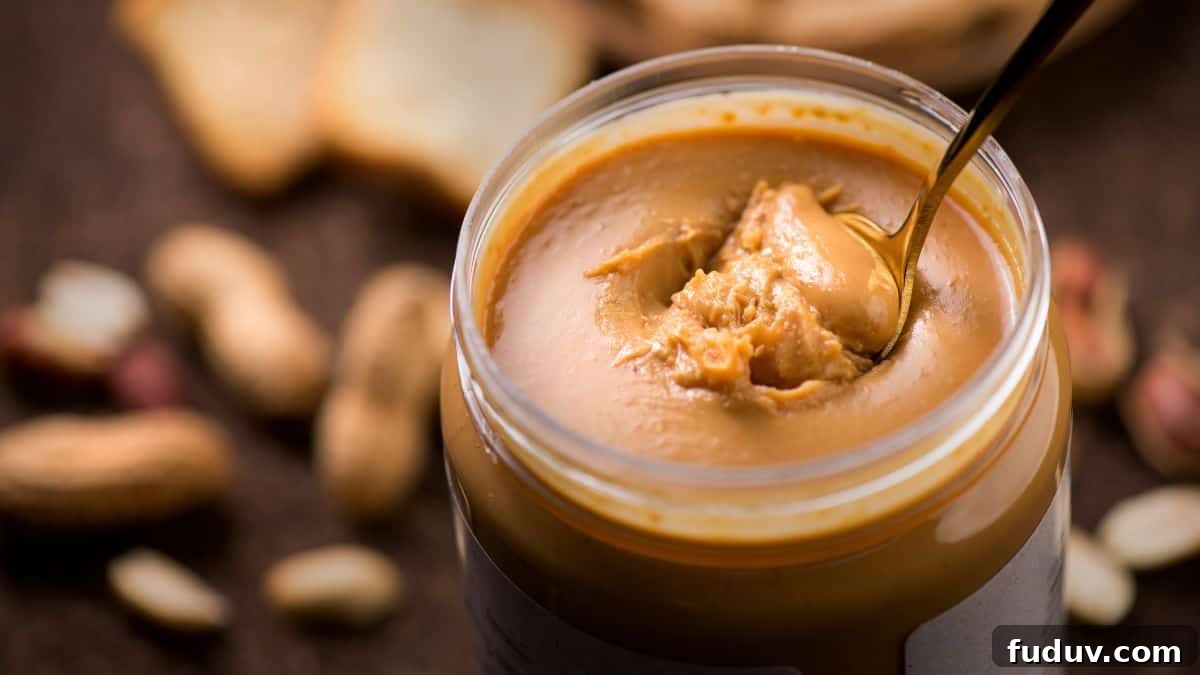
Peanut butter seems harmless in its jar, but its texture clings like an adhesive once it meets your palate. Spread on toast or eaten straight from the spoon, it’s satisfying and stubborn, delightfully messy and comfortingly familiar. It’s no surprise people joke that it could double as an edible glue.
Popcorn Has Explosive Tendencies
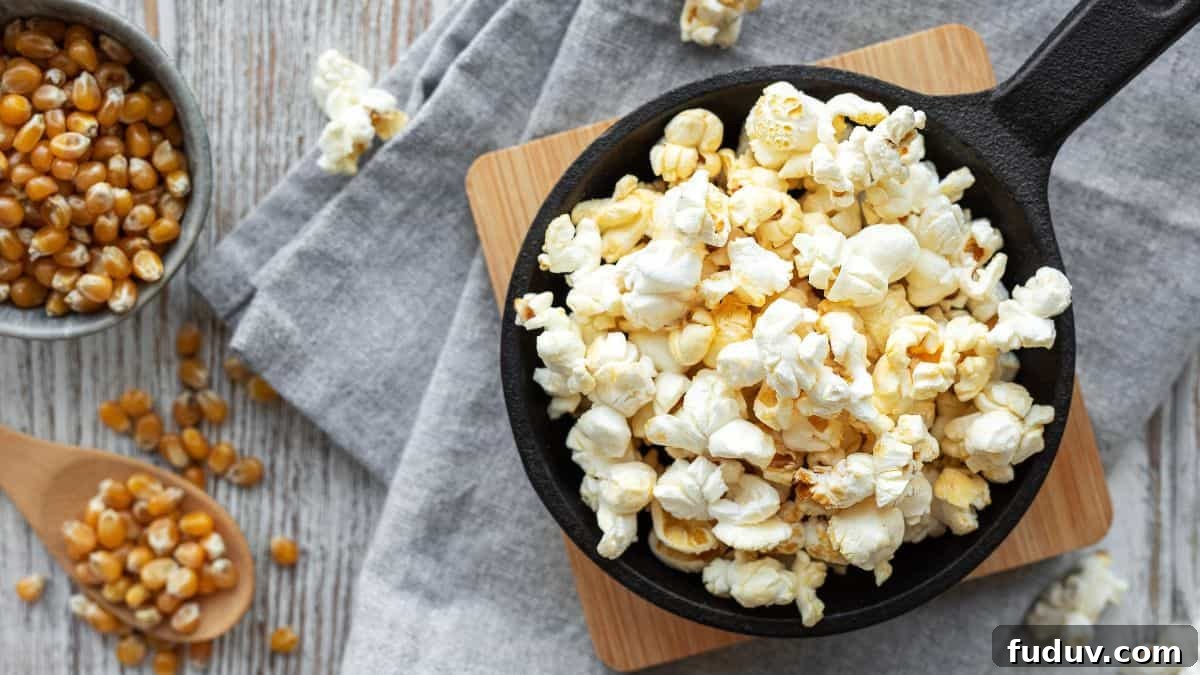
Popcorn is a snack that literally pops under heat. Each kernel’s transformation is a tiny explosive event, and the result is light, crunchy, and sometimes annoyingly clingy in your teeth. It’s the perfect movie-time companion: noisy, messy, and impossible to resist.
Milk Is Basically Cow PR
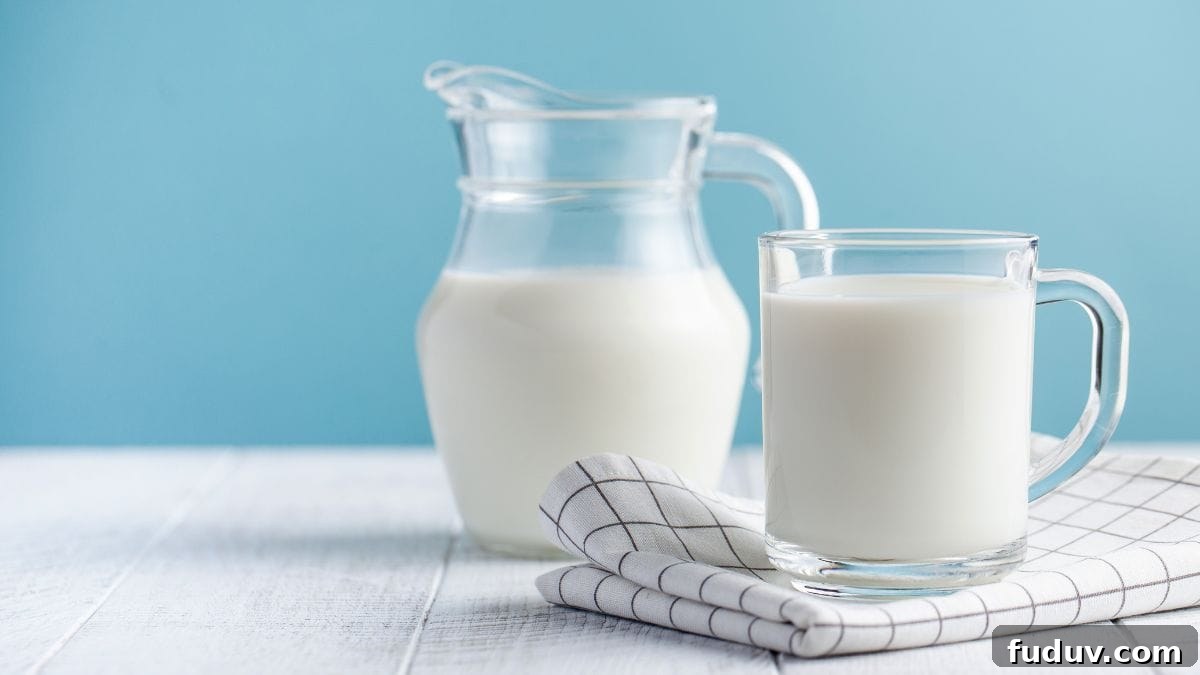
Milk has been marketed for decades as a cornerstone of nutrition—white, wholesome, and everywhere. Those nostalgic ads and cereal-shot montages helped cement milk’s place in kitchens worldwide. Whether poured over cereal, added to coffee, or used in baking, milk remains a ubiquitous ingredient with a strong reputation.
Tomatoes Are Fruit With Identity Issues
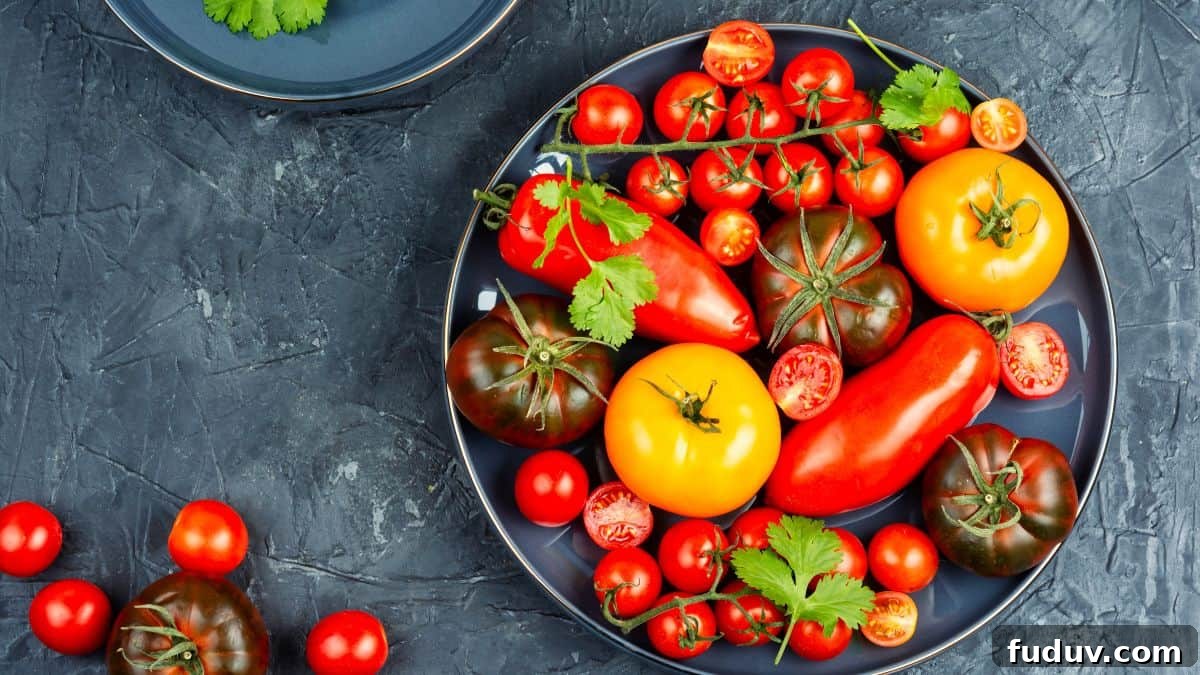
Botanically, tomatoes are fruit; culinarily, they’re treated as vegetables. A well-known 19th-century U.S. court decision even labeled them vegetables for tariff reasons. Regardless of category, tomatoes appear in everything from sauces to salads, adaptable and unapologetic about their many roles.
Cheese Is Controlled Spoilage
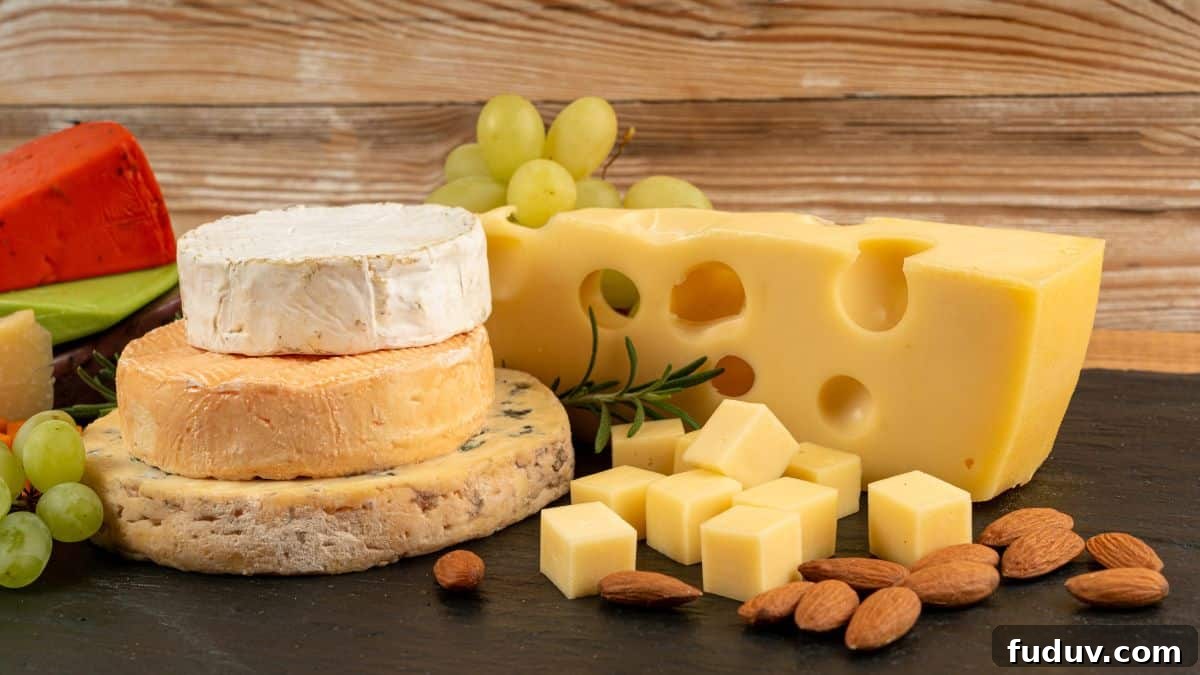
Cheese begins as milk that’s been transformed through fermentation and aging—processes that would otherwise be called spoilage. Yet those same processes create complex flavors and textures people prize. From mild and creamy to pungent and crumbly, cheese is a culinary triumph of controlled transformation.
Rice Has Serious Trust Issues
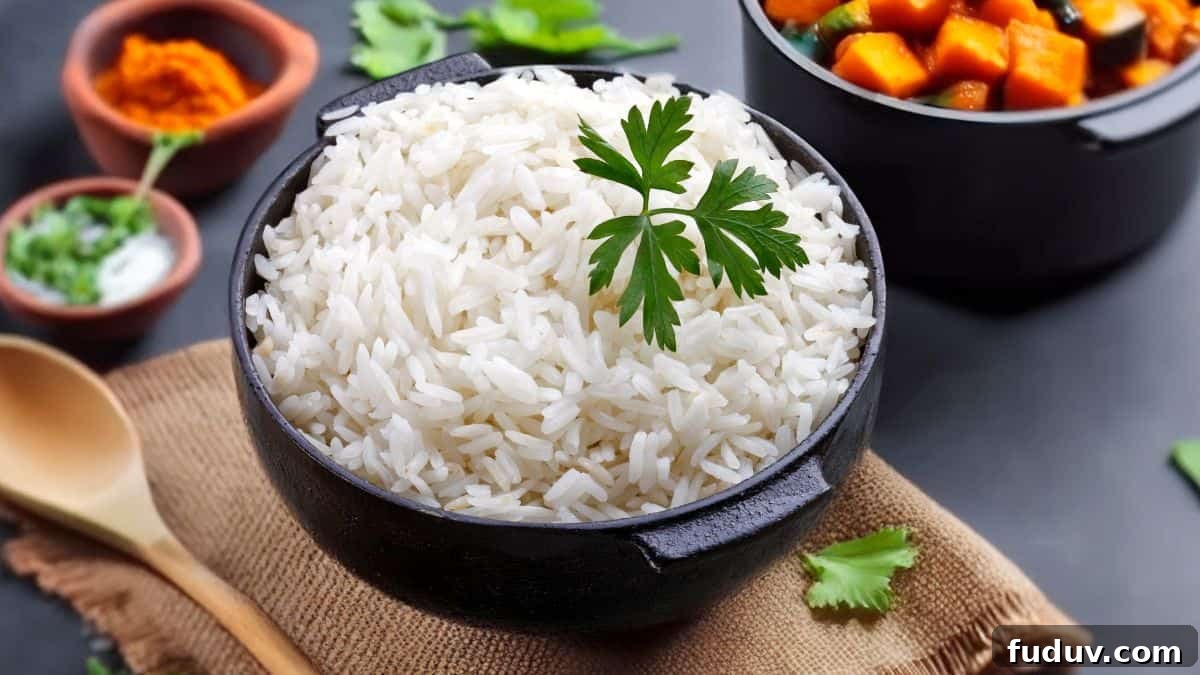
Rice appears modest in the measuring cup but expands dramatically when cooked, often producing more than you expected. It’s the pantry staple that stretches to feed extra mouths and leaves reliable leftovers. Simple yet generous, rice quietly steals the show when you least expect it.
Lettuce Is Basically Edible Water
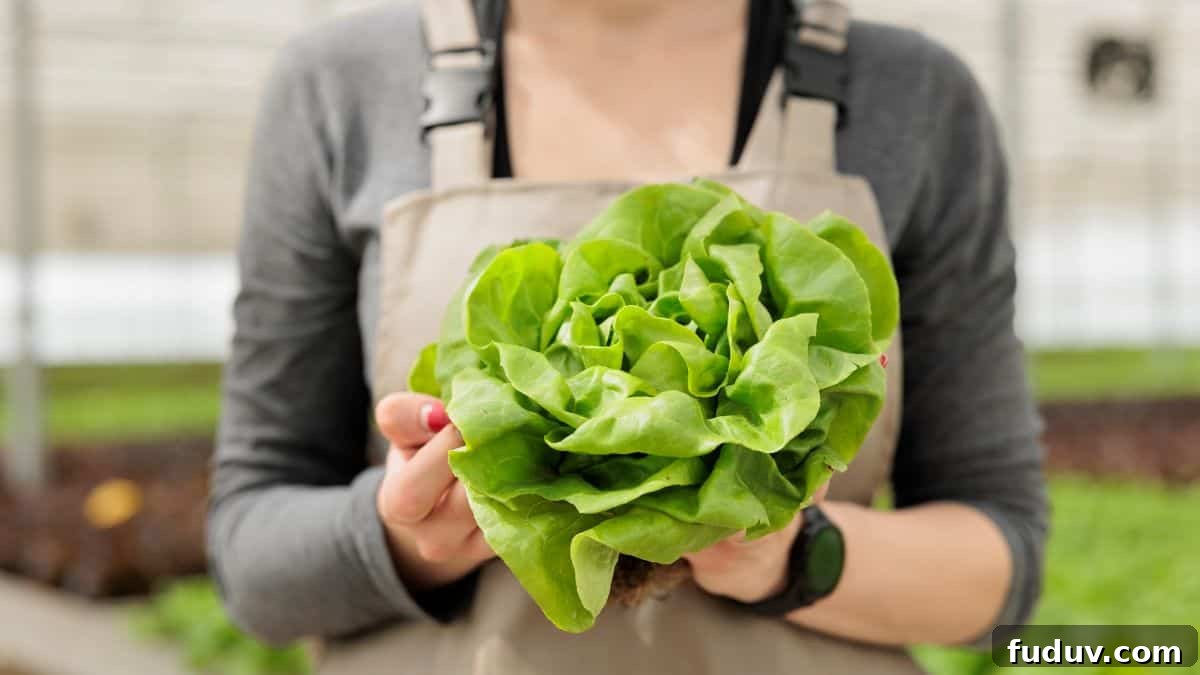
Lettuce brings crunch and freshness, but its flavor is subtle. Mostly water, it provides texture and volume to salads and sandwiches. It can be delicate and short-lived once removed from refrigeration, acting as a refreshing, if understated, base for many dishes.
Chocolate Once Played Hard To Get
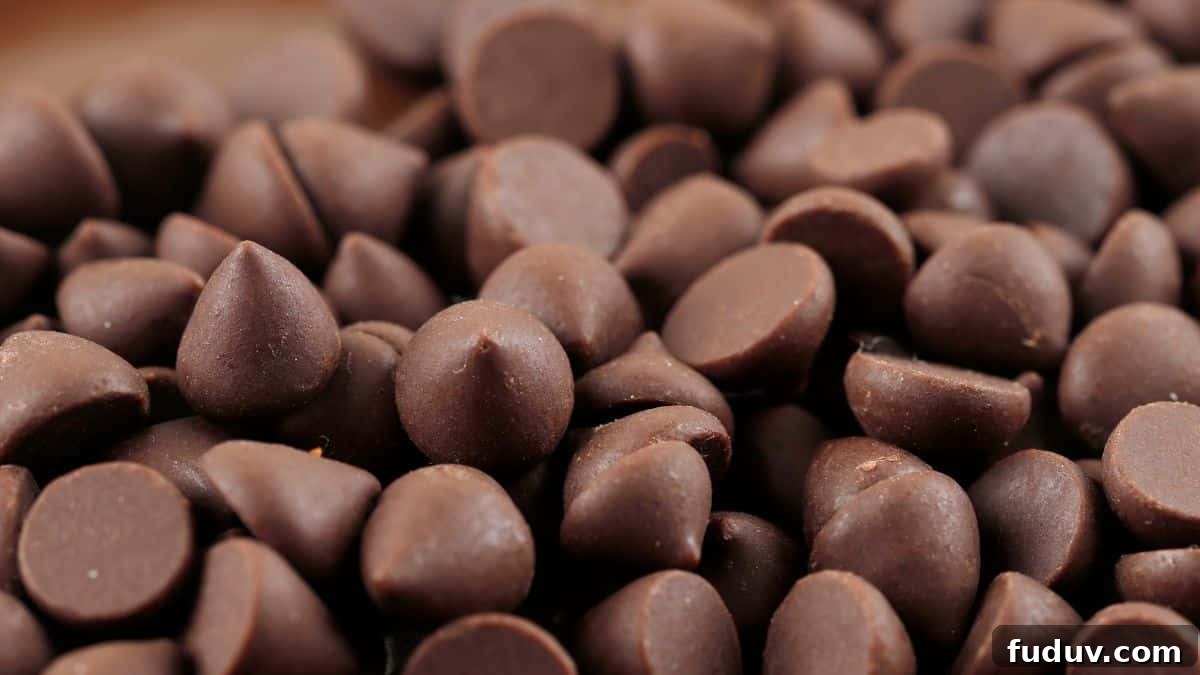
Chocolate began as a bitter, rare treat enjoyed by the elite. Over centuries it evolved into an accessible comfort food and an everyday indulgence. Today, it’s a go-to for celebrations, stress relief, and simple pleasure—a culinary great equalizer.
Apples Are Basically Waxed Celebrities
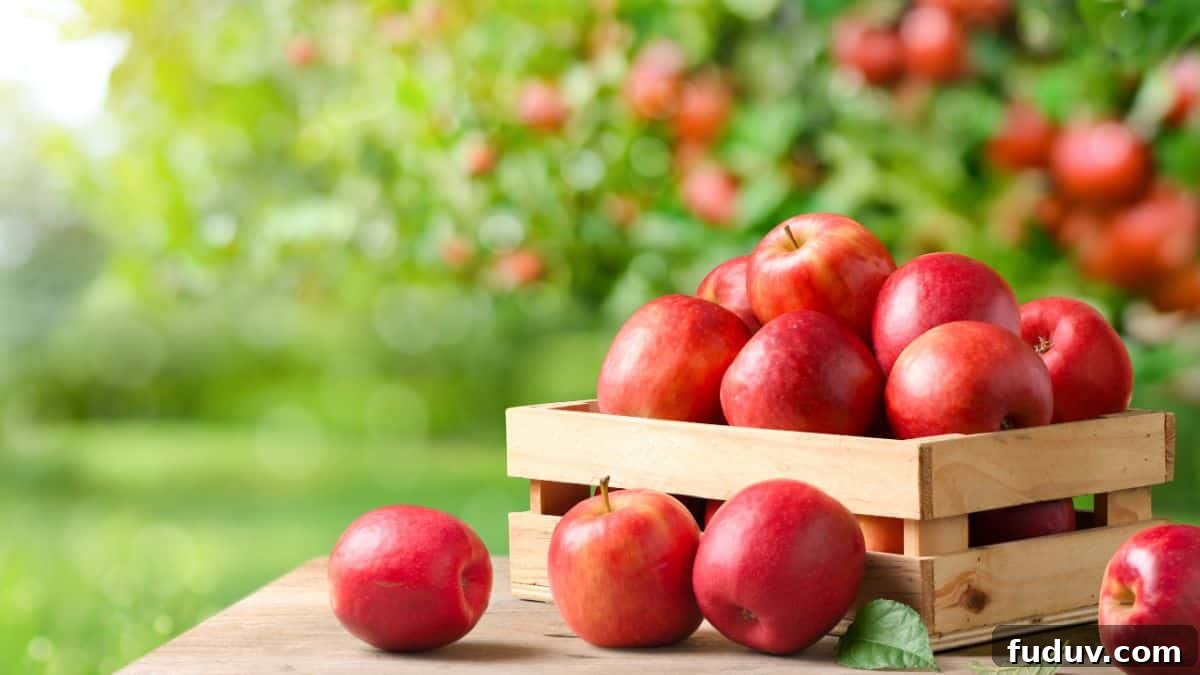
Commercial apples are often polished or lightly waxed to preserve moisture and appearance, giving them a glossy, shop-ready finish. Orchard apples, by contrast, may show blemishes and natural variation. The store-bought shine helps fruits look uniform and appealing on display.
Onions Are Emotional Manipulators
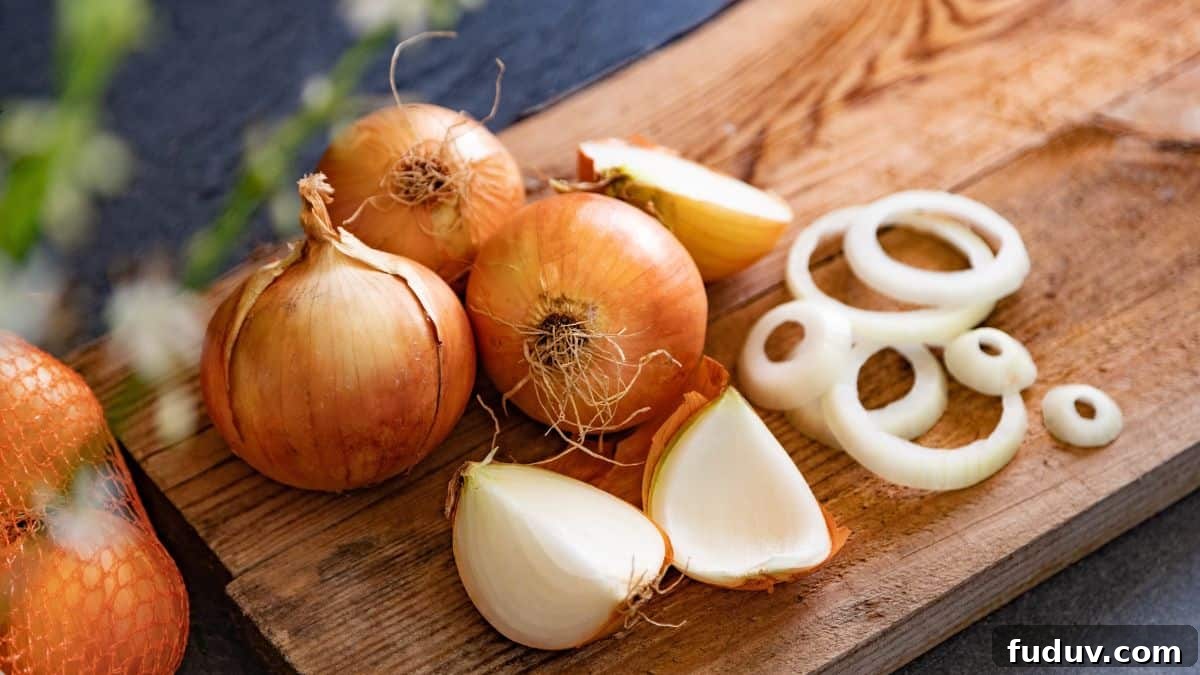
Chopping onions often triggers tears because they release sulfur compounds that irritate the eyes. Despite this emotional toll, onions transform when cooked—caramelizing into sweet, savory depth that rewards the effort. They’re dramatic in the kitchen but indispensable in countless recipes.
Eggs Are Nature’s Mystery Boxes
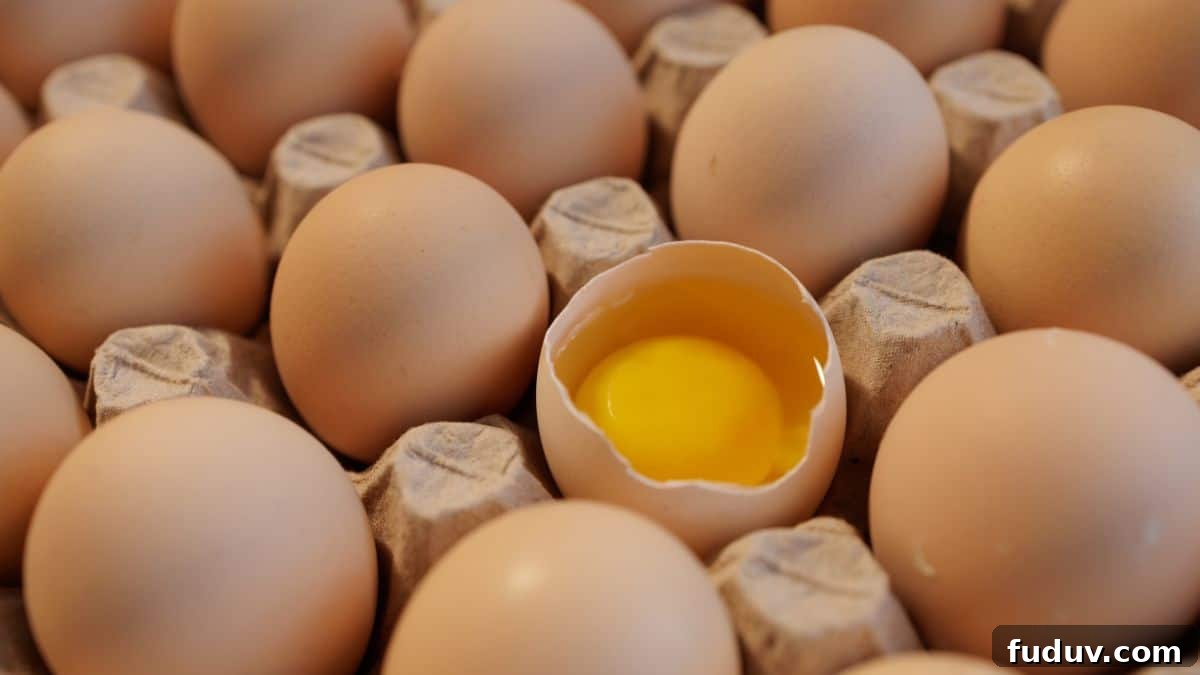
Eggs come in cartons yet each shell contains a small surprise: double yolks, color variations, or tiny spots happen occasionally. They’re reliable for countless recipes but still carry a little mystery every time you crack one open. That unpredictability is part of their charm.
Everyday foods carry stories and quirks that make them more interesting than they first appear. From bananas that bruise at the slightest touch to tomatoes that can’t decide what they are, your pantry is full of characters. Next time you reach for a snack, remember there’s more to it than meets the eye—and that’s part of what makes food so entertaining.