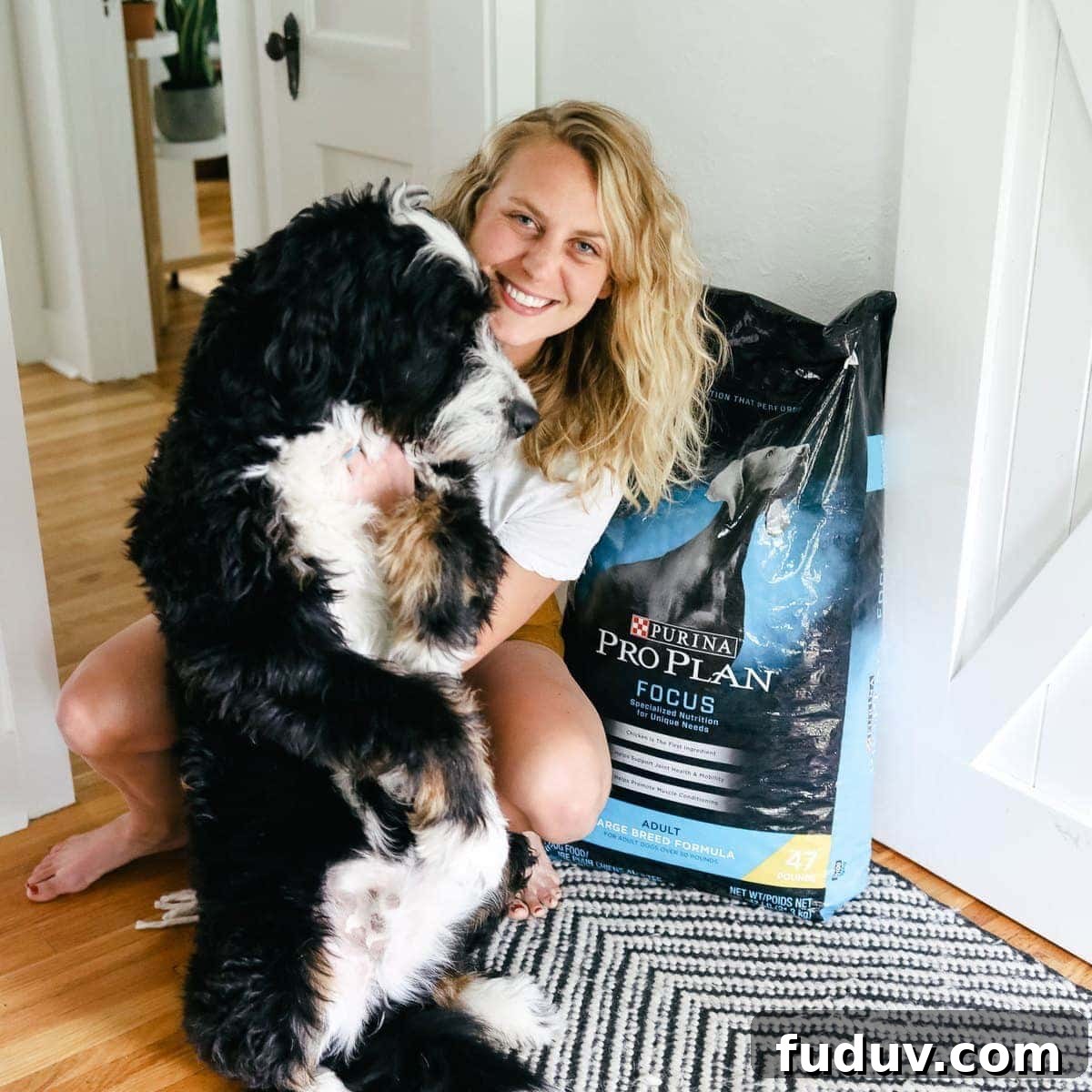
Talking directly with a veterinarian is a rare and valuable opportunity. Here, Purina’s Chief Veterinary Officer, Dr. Kurt Venator, explains why selecting the right nutrition for your dog matters and offers practical advice for making the best choices.
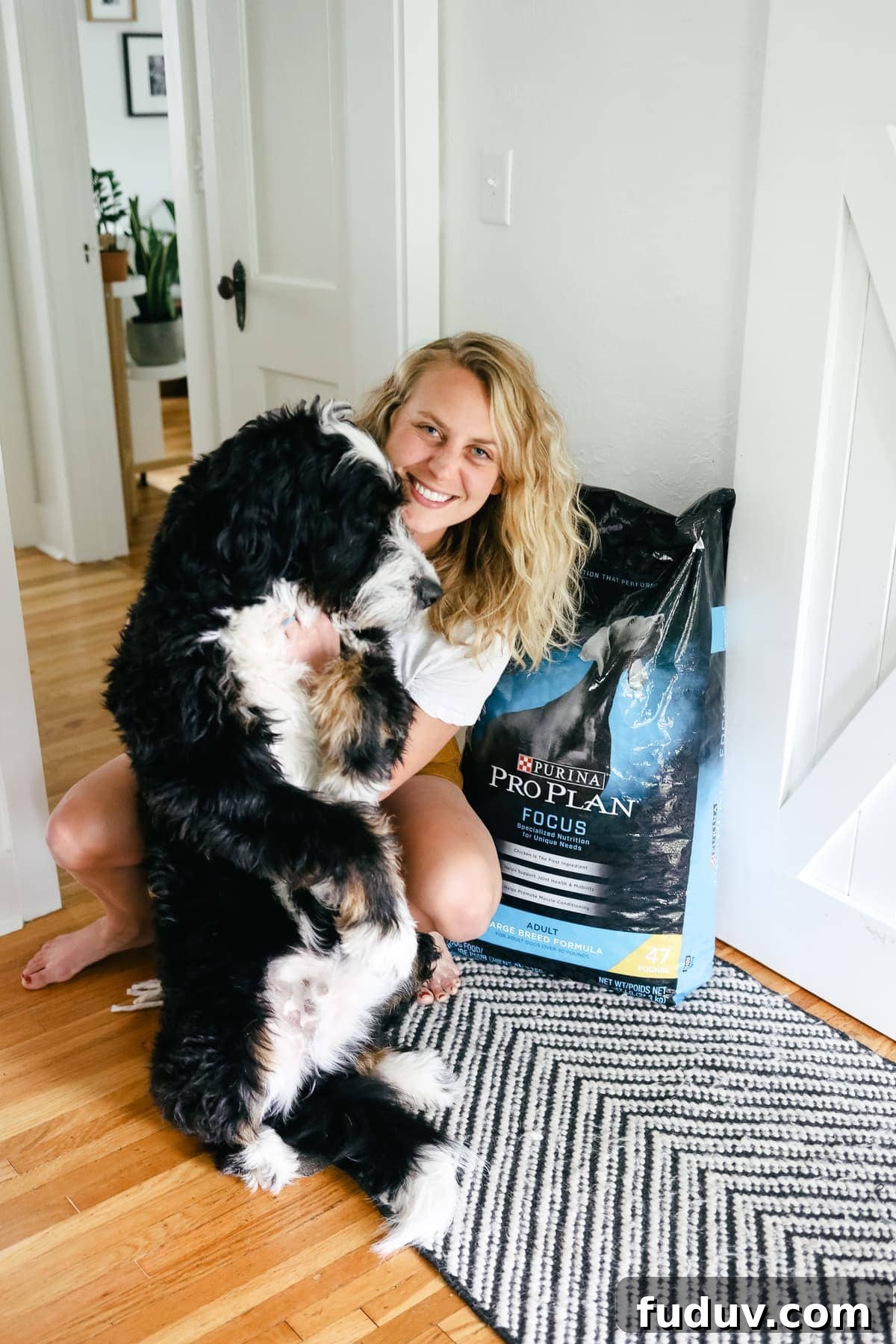
Meet Jasper!
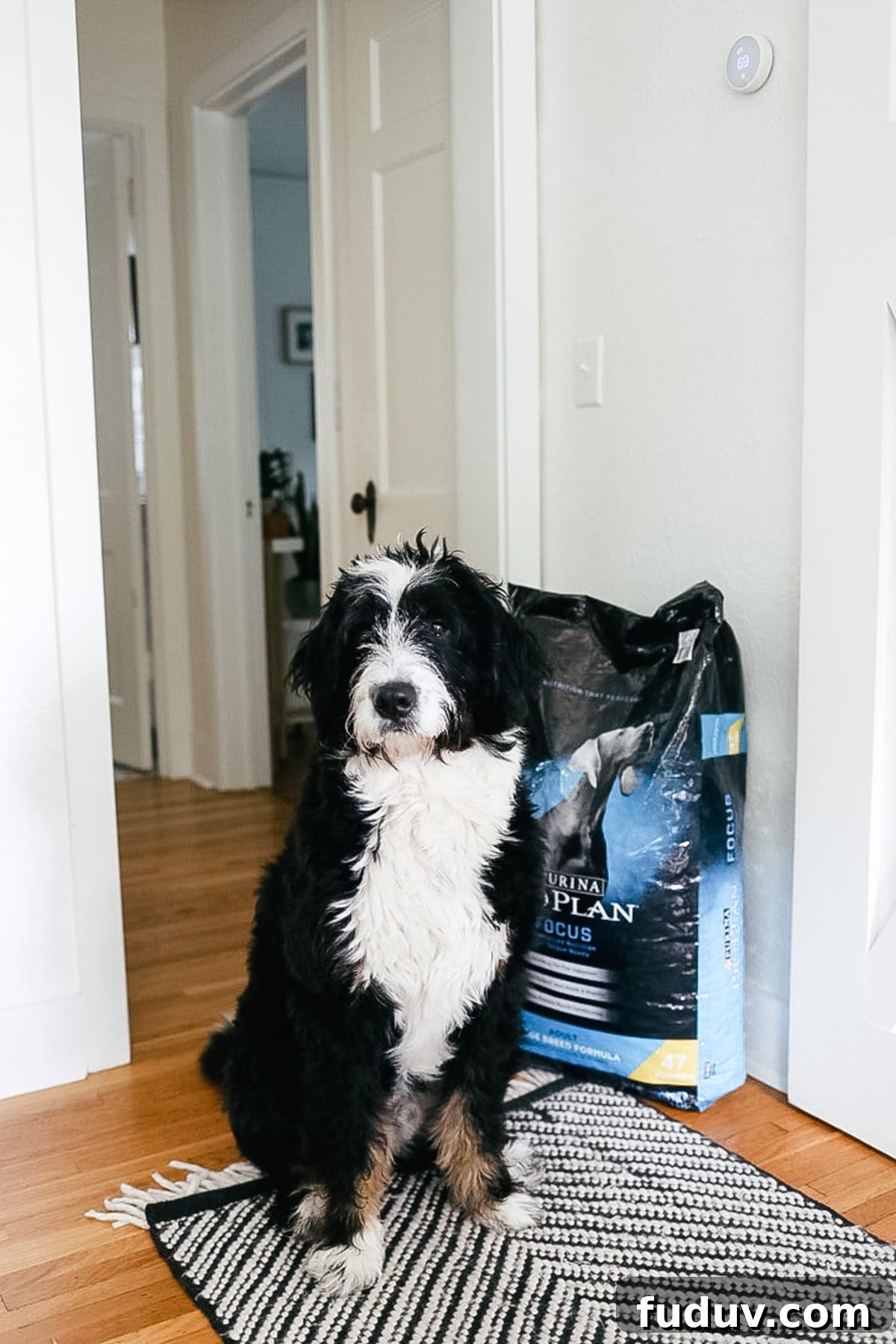
Being a dog parent is one of the greatest joys in my life. Mark and I adopted Jasper in May 2019, and he quickly became part of the family. Jasper is an 80 lb bernedoodle with a calm temperament and a personality that brightens our days.
He encourages us to get outside in all kinds of weather (even in bitter cold), comforts us when we’re down, and entertains us with his puppy dreams while sleeping on his back. Jasper’s first year included more vet visits than we expected, but those visits led us to discover Purina Pro Plan, which solved his sensitive stomach issues.

Purina Pro Plan
Purina Pro Plan is our top choice for Jasper for several reasons. Beyond his clear enjoyment of the food, the brand is grounded in science and research.
- More than 85 years of research
- Over 400 Purina scientists
- Veterinarian recommended
- High-quality ingredients
The Pro Plan line includes formulas for every size, life stage and many specific health needs. Jasper has been fed several Pro Plan products—from a prescription EN formula during illness to probiotics and a large-breed adult formula. Our veterinarian recommended Pro Plan before we knew the brand, which helped confirm our choice.
Transitioning him from a prescription diet to a regular adult formula went smoothly. Jasper now eats Purina Pro Plan Adult Large Breed Formula Focus and is thriving.
After speaking with a Purina veterinarian, I wanted to share their answers to common questions about choosing the right food for your dog.
Pro Plan’s myPlan tool
Pro Plan offers a myPlan quiz to help match your pet with the right formula based on age, breed, health concerns and lifestyle. Consider using that tool as a starting point when evaluating foods for your dog.
Q&A with Purina Vet, Dr. Kurt
When is it appropriate to transition a dog from puppy food to adult food?
Nutritional needs change as dogs mature. Puppies need more protein and DHA to support growth, brain and vision development. The right time to switch depends on both age and breed size. A general guideline is to feed puppy-formulated food until about 1 year of age; for some large and giant breeds, continuing puppy food until around 2 years is advisable to support proper growth.
Pro tip
Use puppy-specific formulas until your veterinarian confirms your dog is ready for adult food, especially with large breed dogs that mature more slowly.
Why is my dog a picky eater?
There are several common reasons a dog may become choosy about food:
- Too much variety: Offering frequent changes or treats can encourage selective eating. Some dogs eat eagerly for a while and then suddenly lose interest because they anticipate something different.
- Digestive discomfort: Overeating or digestive upset can make a dog reluctant to eat. Refusing food can be a way for them to avoid discomfort.
- Health concerns: If a usually consistent eater suddenly refuses food, consult your veterinarian. Changes in appetite can signal illness.
Why isn’t my dog motivated by food?
Dogs are motivated by different rewards. While many respond strongly to food, others prefer toys, praise, or play. When training, identify what motivates your dog and use that reward to reinforce learning.
How different is a dog’s ideal macronutrient balance from a human’s?
The basic nutritional needs for dogs and humans are similar: both require appropriate amounts of water, protein, fat, carbohydrates, minerals and vitamins. Commercial dog foods labeled “complete and balanced” are formulated to provide these nutrients. Humans typically get nutrients from a variety of foods, but both species benefit from a diet that delivers the right proportions of essential nutrients.
Is dry or canned/wet food better?
Neither form is inherently superior as long as the product is complete and balanced. Each type has advantages: dry food is convenient and economical, while wet food can be more palatable and hydrating. For cats, offering some variety can reduce boredom; for dogs, choose the form that fits your pet’s needs and preferences.
When selecting any food, always read the label to confirm it is 100% complete and balanced and that it contains high-quality ingredients. Consulting your veterinarian before making a change ensures you choose a diet that supports your dog’s health, life stage and lifestyle.
How important is variety in a pet’s diet?
Feeding the same food daily is fine for many pets, but some may become bored and develop picky habits. To add variety without disrupting nutrition, consider offering wet food occasionally or rotating protein sources within the same formula. Many brands, including Pro Plan, offer formulas where different proteins (beef, chicken, salmon) are used as the primary ingredient, allowing safe rotation while maintaining balance.
Disclaimer: This post is sponsored by Purina Pro Plan. We were compensated and all opinions are our own.