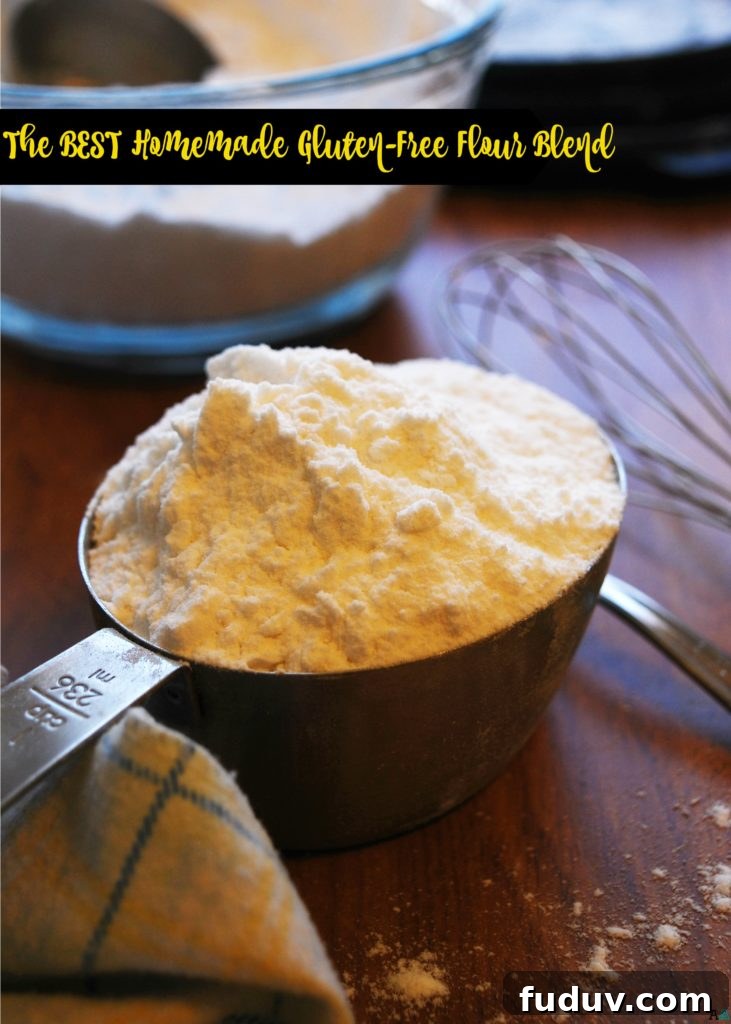
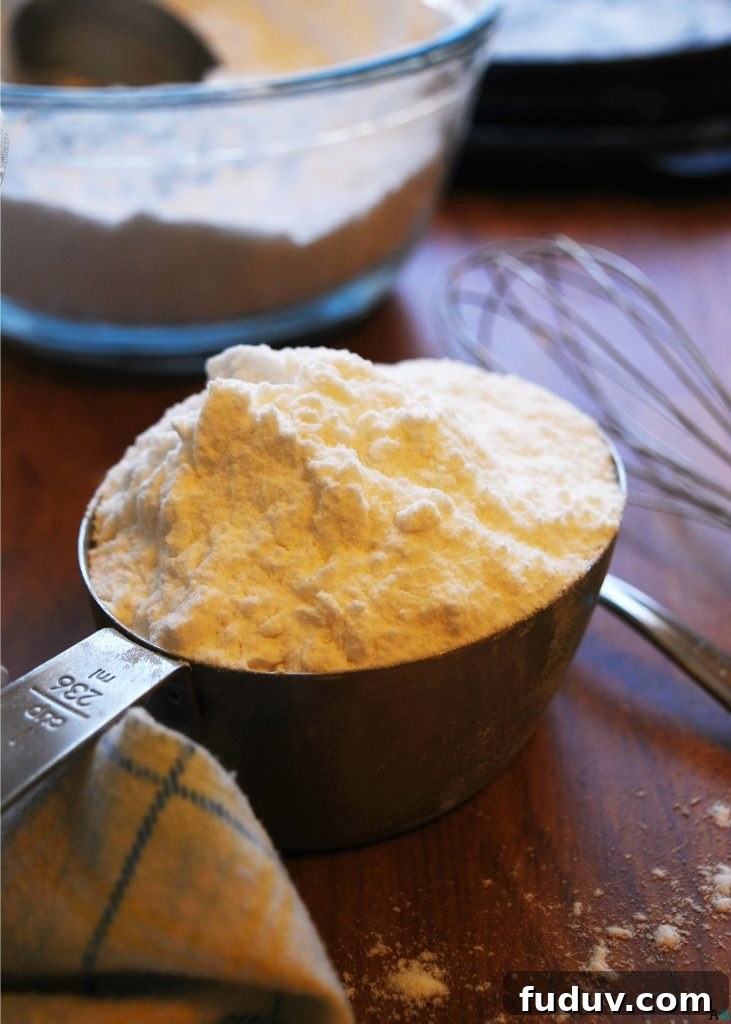
One of the simplest (only three ingredients) and most affordable gluten-free flour blends you can make at home. This all-purpose mix is ideal for baking in larger batches and works well in most recipes. I substitute it 1:1 for regular wheat flour and it consistently gives excellent results.
This post contains affiliate links.
Why I Love This Homemade Gluten-Free Flour Blend
With baking season approaching, it’s a great time to have a reliable, allergy-friendly, all-purpose gluten-free flour on hand. Homemade blends give you control over ingredients, avoid unnecessary additives, and let you make large quantities so you’re ready to bake whenever the craving hits.
Gluten-free baking has carried a reputation for dry, dense results, but the methods and flours available today have improved dramatically. Like any new technique, gluten-free baking has a learning curve, but with the right blend and a few tips, you can get light, moist results that even non-gluten-free eaters enjoy.
I’ve used this three-ingredient blend for years. It performs well in bars, brownies, cookies, muffins, and cakes. The texture is tender without being gritty, and because I substitute it cup-for-cup for wheat flour, it’s simple to use in many tried-and-true recipes.
When I serve these baked goods to people who eat wheat, the usual reaction is surprise—“That’s gluten free?”—which tells me this blend does a great job at mimicking the texture most of us expect from wheat flour.
Why Making Your Own Gluten-Free Flour Is Worth It
Buying premixed gluten-free flours can be convenient, but replacing wheat flour often requires several specialty flours, which adds up. Making your own blend helps control cost and ingredients. I prefer a short ingredient list so I can make large batches and keep single-grain flours on hand for recipes that call for them specifically.
I store my flours in airtight glass jars to keep them fresher longer. Buying components in bulk or from stores that sell by the pound can reduce costs further, and many people find making a simple blend preferable if they want to avoid additives commonly found in commercial 1:1 blends.
Can You Substitute Brown Rice Flour for White Rice Flour?
Yes. Brown rice and white rice flours are generally interchangeable in this blend. I usually choose white rice flour because it’s often cheaper and has a slightly finer texture, but brown rice flour will work as well.
Is It Cheaper to Make Your Own Gluten-Free Flour?
Costs vary by region and brand, but making your own blend can be economical, especially if you buy components in bulk. Initially it may seem pricier compared to a single packaged blend, but you’ll have leftover starches for additional batches, reducing the per-batch cost over time. Shopping at stores that sell by weight or in bulk can further lower expenses.
Some people prefer making their own because commercial blends often include xanthan gum or other additives that not everyone wants. A simple homemade blend with three ingredients offers flexibility and fewer unwanted extras.
Can You Replace Regular Flour with a Single Gluten-Free Grain?
No. Replacing wheat flour with a single gluten-free flour generally won’t give good results because wheat’s properties must be mimicked by combining grains and starches. This three-ingredient blend is formulated to mimic wheat for many baked goods, but swapping in a single grain like brown rice flour usually changes texture and structure significantly.
When converting recipes, remember gluten-free baking sometimes requires adjustments to liquid and structure. For breads and other yeast-based recipes, specialized blends or recipes developed specifically for bread will perform better than a basic 3-ingredient mix.
Why Finely Ground Gluten-Free Flours Matter
Finely milled flours avoid a gritty mouthfeel. If the flour components aren’t ground finely, the texture of the finished product can be unpleasant. Over time you’ll find brands and mills that provide the texture you prefer; learning to bake gluten-free is a process with a rewarding payoff once you find methods and ingredients that work for you.
Where to Find Ingredients
I buy ingredients at a variety of stores, depending on availability and price. Common sources include:
- Sprouts
- Whole Foods
- Walmart
- WinCo
- Smith’s
- Macy’s
- Natural Grocer
- Amazon
How to Mix Your Gluten-Free Flour Blend
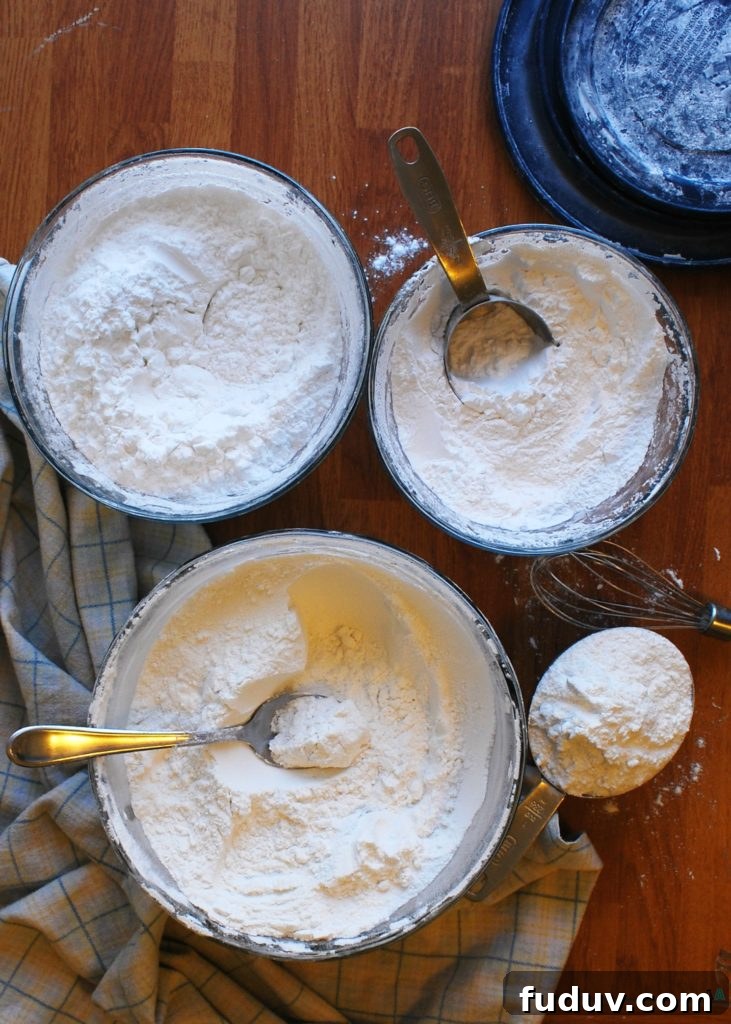
Measure each ingredient into a large bowl, whisk to combine evenly, then put a lid on the bowl and shake to finish distributing the ingredients. Tap the container on the counter before opening to avoid a cloud of flour. Re-shake or whisk briefly before using if the mix has sat for a while.
How Do You Measure Gluten-Free Flour?
Use a spoon to gently fill the measuring cup, allowing the flour to mound slightly, then level with a knife. Do not scoop or pack the flour into the cup—packing will add too much and change the texture of your baked goods.
I hope this helps you get back to baking favorites with confidence.
Note: Gluten-free flour doesn’t behave exactly like wheat flour. Many recipes call for xanthan gum to provide structure and rise. I leave xanthan gum out of this base blend so you can add the appropriate amount per recipe; a common guideline is about 1 teaspoon xanthan gum per cup of gluten-free flour.
What’s in This Gluten-Free Flour Recipe?
This simple recipe uses only three ingredients:
- White or brown rice flour (white is preferred for a finer texture)
- Potato starch (not potato flour)
- Tapioca flour/starch
Are Potato Starch and Potato Flour the Same?
No. Potato starch and potato flour are different products and are not interchangeable. Use potato starch (sometimes labeled potato starch) in this blend.
Is Tapioca Flour the Same as Tapioca Starch?
Yes. Tapioca flour and tapioca starch are commonly used interchangeably and either can be used here.
What Not to Make with This Blend
This blend is excellent for pancakes, muffins, brownies, bars, cakes, and cookies, but it’s not ideal for yeast breads that need extra structure and protein. For breads, use a recipe or commercial blend formulated specifically for yeast baking.
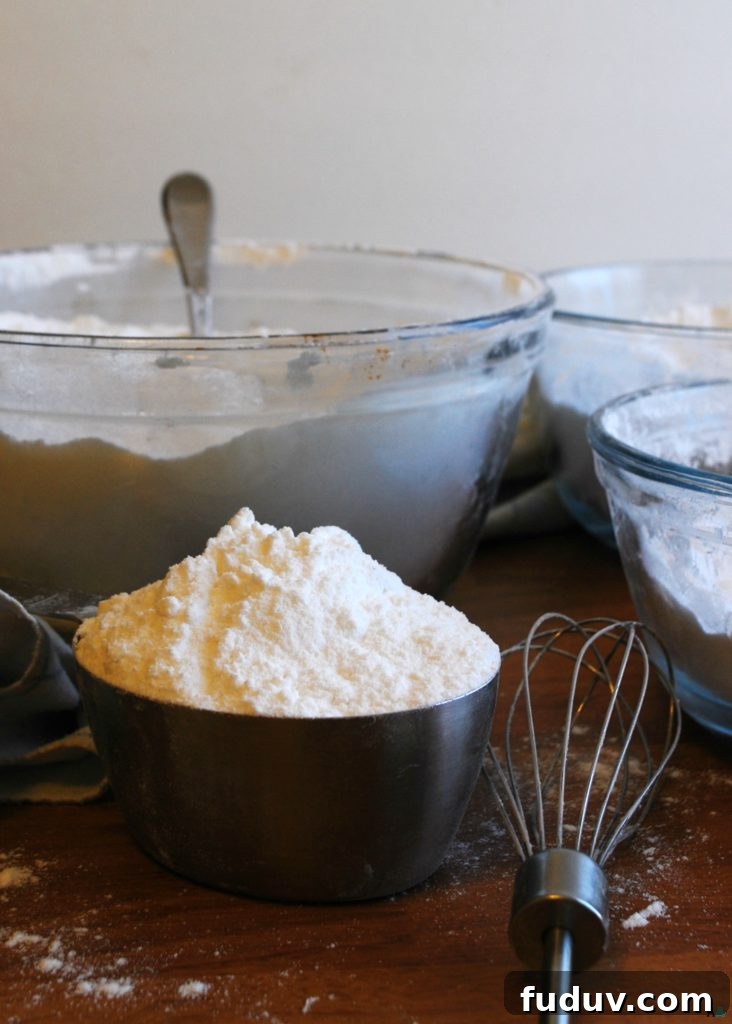
What You Can Make with This Flour
This blend is well suited for a wide range of baked goods. Popular recipes that work with this mix include brownies, cupcakes, sheet cakes, donuts, muffins, and sugar cookies. Use recipes developed or tested for gluten-free flour for best results.
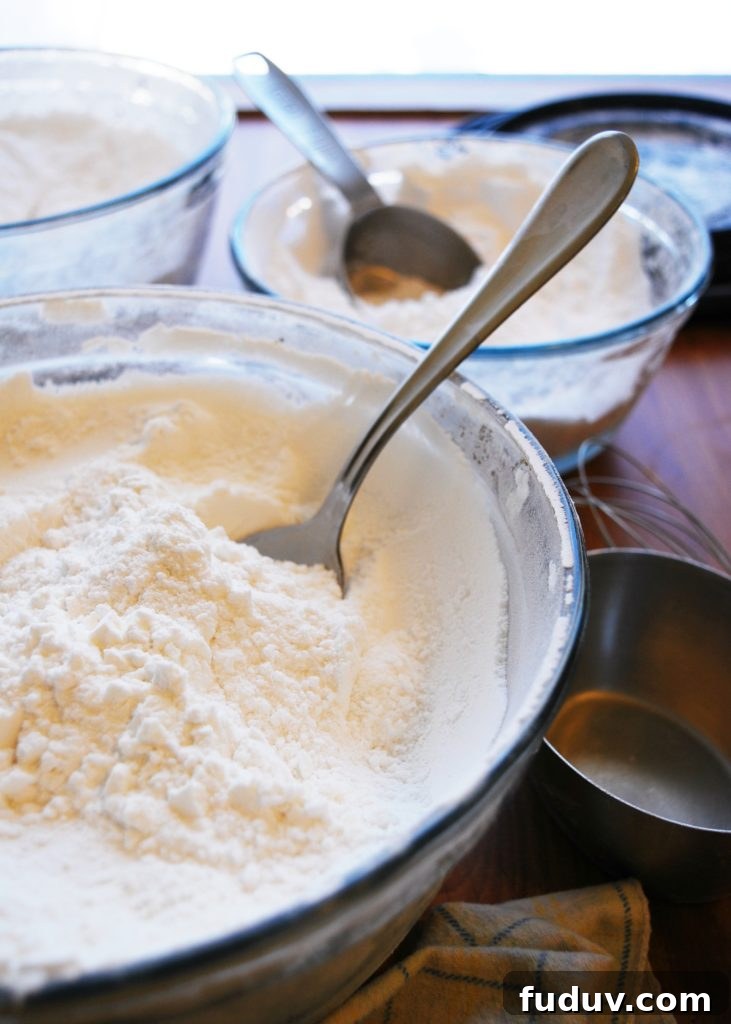
Adapted from Cybele Pascal’s The Allergen-Free Baker’s Handbook, this three-ingredient blend is a reliable starting point for many gluten-free baking projects.
Frequently Asked Questions
How should I store homemade gluten-free flour so it stays fresh?
Store the mix in an airtight container or glass jar in a cool, dry place. If your kitchen is warm or humid, refrigerate the mix. Properly stored, it will stay fresh for several months. Whisk or shake before using to redistribute settled ingredients.
Can I use this mix for bread or yeast recipes?
This simple blend is best for quick breads, cakes, muffins, cookies, and similar baked goods. For yeast breads, look for recipes and blends designed for bread baking that include additional structure-building ingredients.
Save or pin this recipe so you don’t lose it and explore other allergy-friendly boards for more ideas.