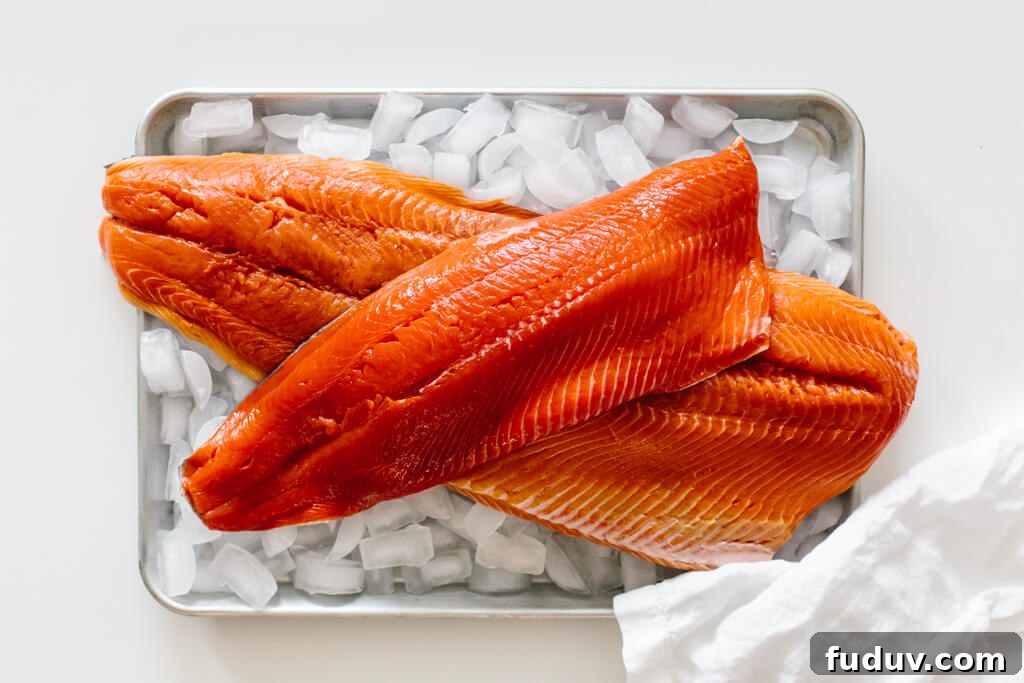
Ever wondered about the difference between Coho salmon, Sockeye salmon, and King salmon? These three varieties are among my favorites and appear often in recipes across this site. Here’s a clear, user-friendly guide to how each type differs and what makes them special.
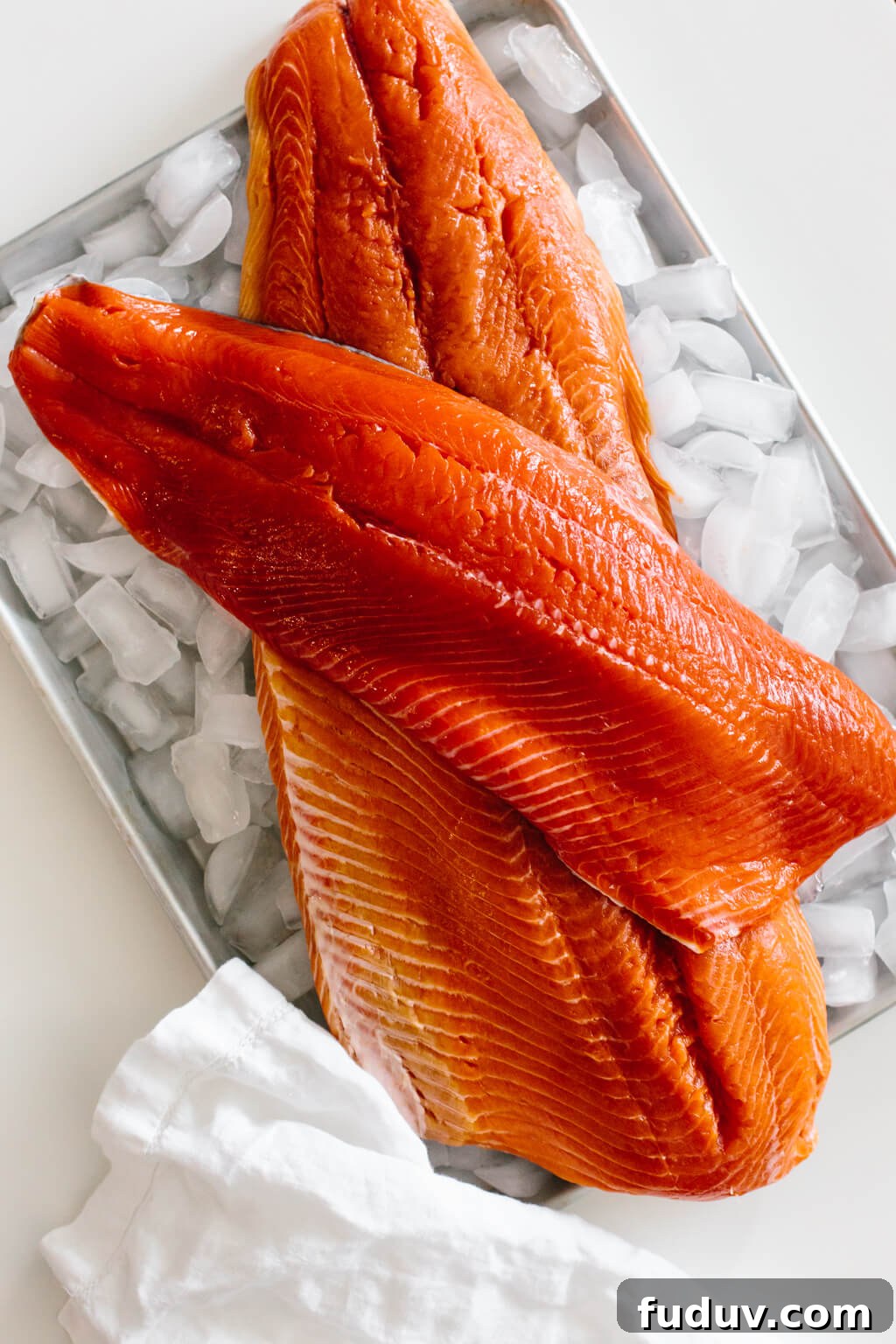
I’m a big fan of salmon — it’s nutrient-dense, versatile in the kitchen, and delicious. If you haven’t tried my Orange Glazed Salmon recipe, you might want to (it’s a favorite). Across my recipes, you’ll notice I consistently recommend Coho, Sockeye, or King salmon. One key reason: these species are most commonly wild-caught rather than farmed. I generally avoid farmed salmon because it’s more likely to contain pollutants, antibiotics, and other contaminants.
All three of these wild salmon varieties are excellent choices, but they do have distinct characteristics that influence flavor, texture, and best cooking methods. Below is a breakdown of each.
King Salmon (aka Chinook Salmon)
King salmon is the largest Pacific salmon species and contains the highest fat content, including omega-3 fatty acids. That higher fat yields a rich, buttery texture and a moist, luxurious mouthfeel that many consider the most indulgent of the salmon family. Some compare its texture to smoked salmon because of how silky and tender it can be. The main drawback is price: King salmon is usually the priciest option at the fish counter, but many find it worth the splurge for special meals. King salmon from Alaska is typically certified sustainable.
Availability: Wild King salmon is generally available fresh or frozen year-round.
Best uses: King salmon excels when you want a rich, melt-in-your-mouth experience. Use it in baked salmon recipes, salmon salads, or Dijon-baked preparations for an especially luxurious result.
Sockeye Salmon
Sockeye salmon offers a deep, robust flavor and is high in healthy fats, though slightly less fatty than King salmon. Its flesh is a vivid red, thanks to high levels of the antioxidant pigment astaxanthin. Astaxanthin combined with omega-3s may help protect the nervous system and brain from inflammation. Sockeye from Alaska is often certified sustainable.
Availability: Wild Sockeye is usually fresh from mid-May through mid-September and frozen year-round.
Best uses: Sockeye’s bold flavor and firm texture make it ideal for dishes where a pronounced salmon taste is desirable—salmon patties, hearty fillets, and recipes that benefit from its vivid color and concentrated flavor.
Coho Salmon
Coho salmon has a milder flavor compared with King and Sockeye, making it a great introduction to salmon for those new to the fish. It has orangey-red flesh, a firm texture, and still provides beneficial omega-3 fats. Coho is especially well suited to grilling because its texture holds up nicely over high heat. Alaskan Coho is commonly certified sustainable.
Availability: Wild Coho is typically fresh from mid-June through late October and frozen year-round.
Best uses: Coho is a reliable choice for grilling, cedar-plank preparations, or any recipe where you want a balanced salmon flavor without the intense richness of King or the strong taste of Sockeye.
Why I Avoid Atlantic Salmon
I generally avoid Atlantic salmon because most of it is farmed. Farmed salmon can present several concerns:
- Lower nutritional value in some cases, since farmed fish are often fed diets that include grains, plants, and processed fish meal.
- Crowded, polluted farming conditions that can be stressful for the fish and increase disease risk.
- Use of antibiotics and pesticides in some operations, which can leave residues that transfer through the food chain.
- Occasional higher levels of industrial contaminants such as PCBs compared with some wild-caught salmon. Farmed salmon are also sometimes raised outside their native range; when escapes occur, they can create invasive populations that threaten local ecosystems.
Choosing wild-caught Coho, Sockeye, or King salmon gives you a range of flavors and textures to match your recipes while also avoiding many of the concerns associated with farmed Atlantic salmon. Each variety has strengths—King for richness and decadence, Sockeye for bold flavor and color, and Coho for a milder, grill-friendly option—so pick the one that best suits the dish you plan to make.