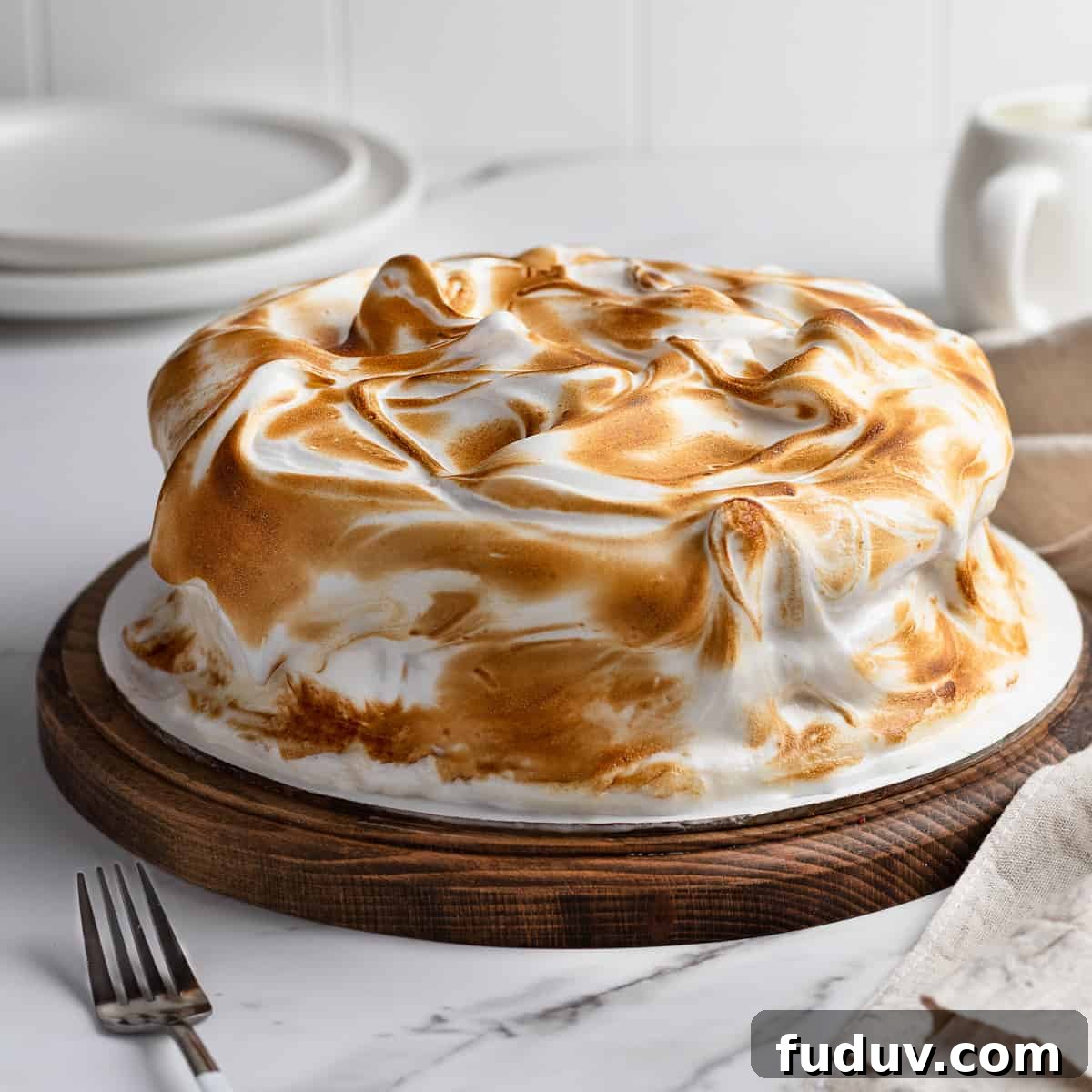
Indulge in a decadent Cipriani vanilla meringue cake. This elegant dessert combines a light Italian sponge, a pillowy vanilla cream, and a sweet, airy meringue topping—perfect for celebrations or an impressive weekend bake.
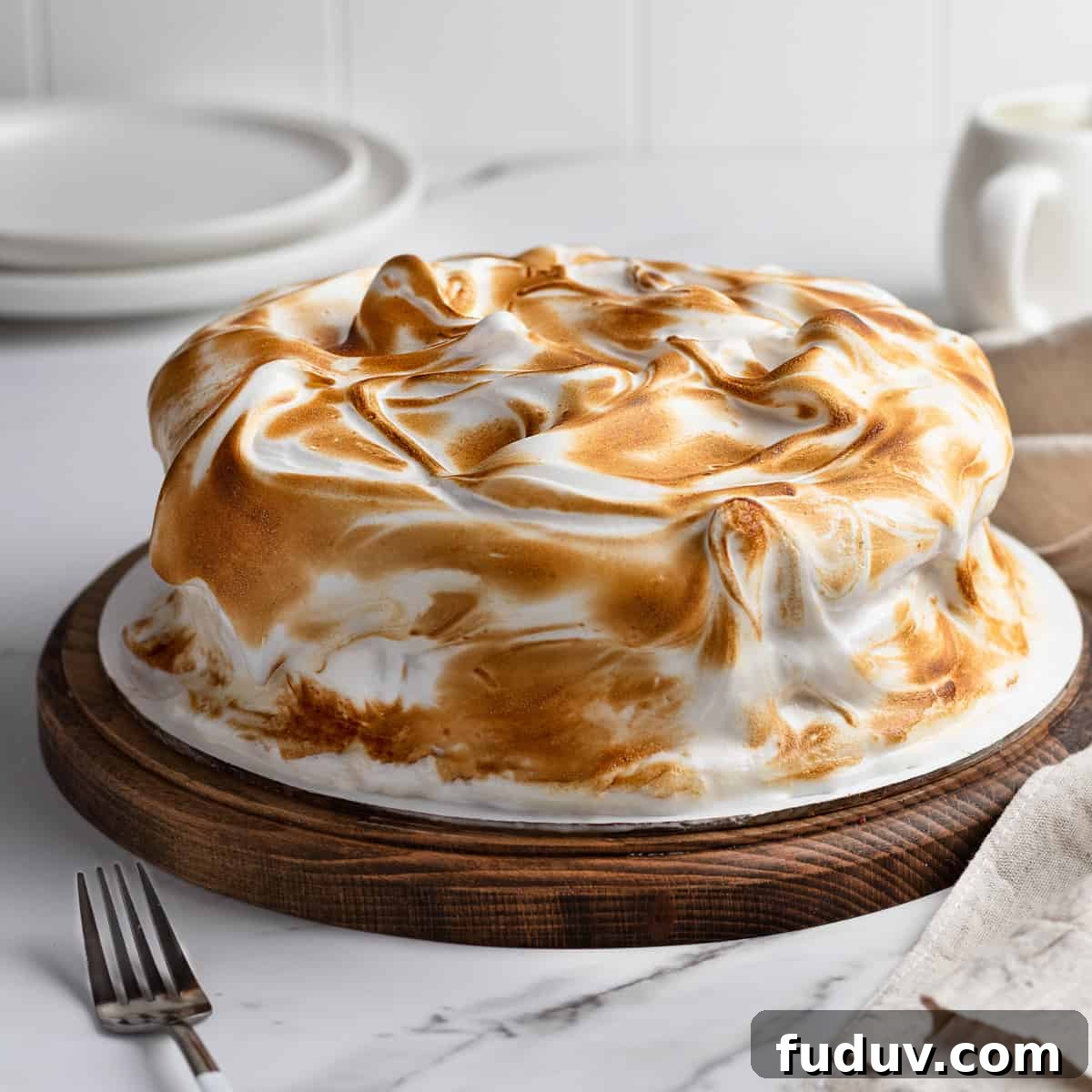
What could be lovelier than a cake crowned with fluffy meringue? This version is exceptional.
Inspired by the classic Cipriani meringue cake, this layered dessert looks striking while remaining surprisingly approachable.
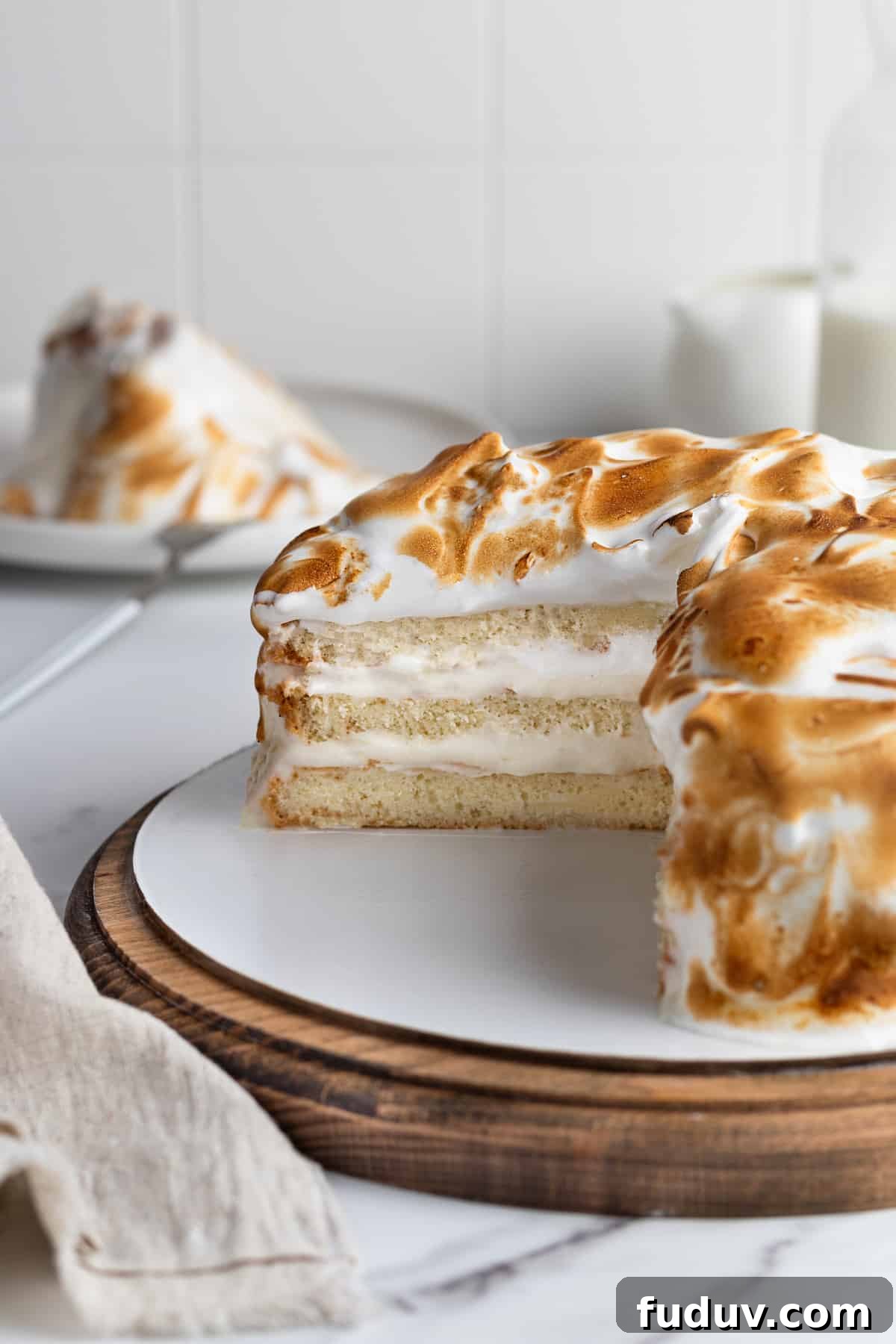
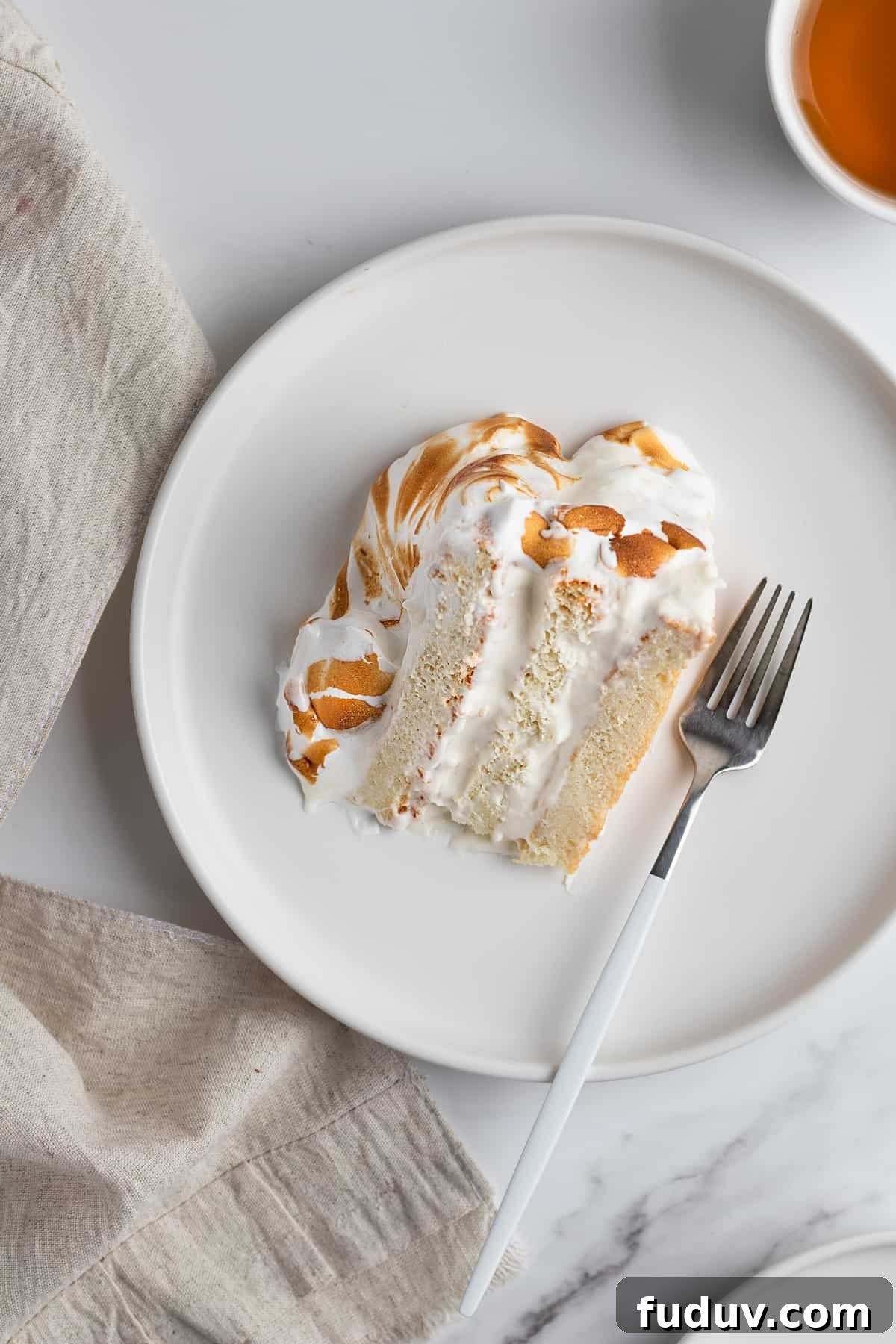
The top is covered in sweet meringue, and between each sponge layer you’ll find a smooth vanilla whipped cream. The texture is ethereal—light as air—making every bite melt on the tongue.
This vanilla sponge meringue cake is wonderfully delicious and irresistible. If you want to make something special for family or guests, this is a must-try.
Why you should try this recipe
- This cake uses simple, easy-to-find ingredients and pairs a classic sponge with a light meringue topping for an elegant finish.
- The Cipriani-style meringue cake is a crowd-pleaser—light, sweet, and suitable for many occasions, from holiday mornings to after-dinner treats.
- The sponge can be made ahead: bake in advance and assemble the cake on the day you plan to serve it.
Ingredients
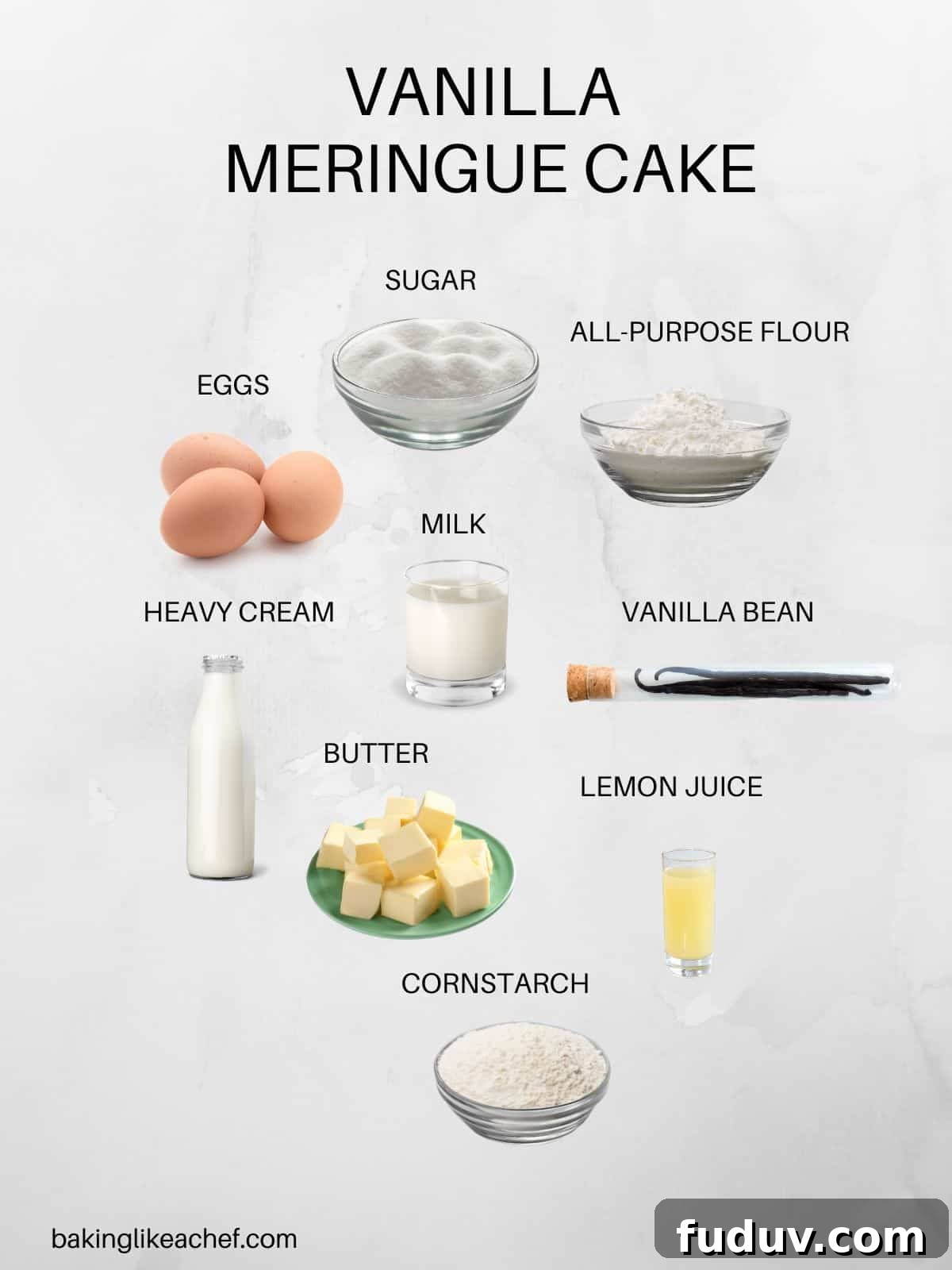
For full ingredient amounts and detailed instructions, refer to the recipe card below.
- Italian sponge: Make an 8-inch (20 cm) sponge (Pan di Spagna) as the base for this cake.
- Milk: Whole milk is recommended for richness; low-fat milk can be substituted if preferred.
- Vanilla: Scraped seeds from a real vanilla bean give the best flavor. If unavailable, use 1 teaspoon vanilla extract.
- Eggs: Use large eggs at room temperature. If you plan to use French (uncooked) meringue, use only pasteurized egg whites for safety. Italian meringue (made with hot sugar syrup) is a safe cooked alternative.
- Sugar: Granulated or caster sugar for the cake and meringue.
- Cornstarch: Used to thicken the pastry cream.
- Flour: All-purpose flour for the sponge and pastry cream.
- Butter: Unsalted butter, chilled and cubed for the pastry cream.
- Heavy cream: At least 30% fat for whipping; double cream (48% fat) can be used for a richer texture.
- Lemon juice: A splash of lemon juice stabilizes the meringue.
Recipe variations
This cake is lovely as written, but here are a few simple ways to vary it:
- Add 1 teaspoon vanilla extract or ½ teaspoon fresh lemon zest to the sponge batter for extra aroma.
- Increase the meringue quantity slightly if you prefer a thicker, more decorative topping.
- Create signature meringue peaks with a piping tip or the back of a spoon for swirls and waves before torching.
- Turn it into a lemon meringue cake: slice the sponge into two layers, replace the vanilla cream with lemon curd between layers, then cover and toast the meringue.
How to make vanilla meringue cake
Begin by baking an 8-inch (20 cm) sponge cake and letting it cool completely on a wire rack. Use a cake leveler or serrated knife to cut the sponge into three even horizontal layers.
Vanilla cream: Make a pastry cream (crème pâtissière) first. Split a vanilla bean and scrape out the seeds. Heat the milk with the vanilla seeds until it just boils. Whisk egg yolks with sugar, flour, and cornstarch, then temper the yolks by slowly whisking in the hot milk. Return to the pan and cook over medium-low heat, whisking constantly, until the mixture thickens. Remove from heat, stir in cold cubed butter, then transfer to a shallow dish. Press plastic wrap directly onto the surface and let the cream cool at room temperature.
Whip chilled heavy cream to soft peaks. Gradually fold the cooled pastry cream into the whipped cream, one tablespoon at a time, until smooth and spreadable.
Assemble: Place the first sponge layer on a serving plate and spread half the vanilla cream. Add the second layer, spread the remaining cream, then top with the third sponge layer.
Meringue: For French meringue, whisk room-temperature egg whites with granulated sugar and a teaspoon of lemon juice in a clean bowl until stiff, glossy peaks form. Italian meringue (made with hot sugar syrup) is a more stable cooked option if you prefer.
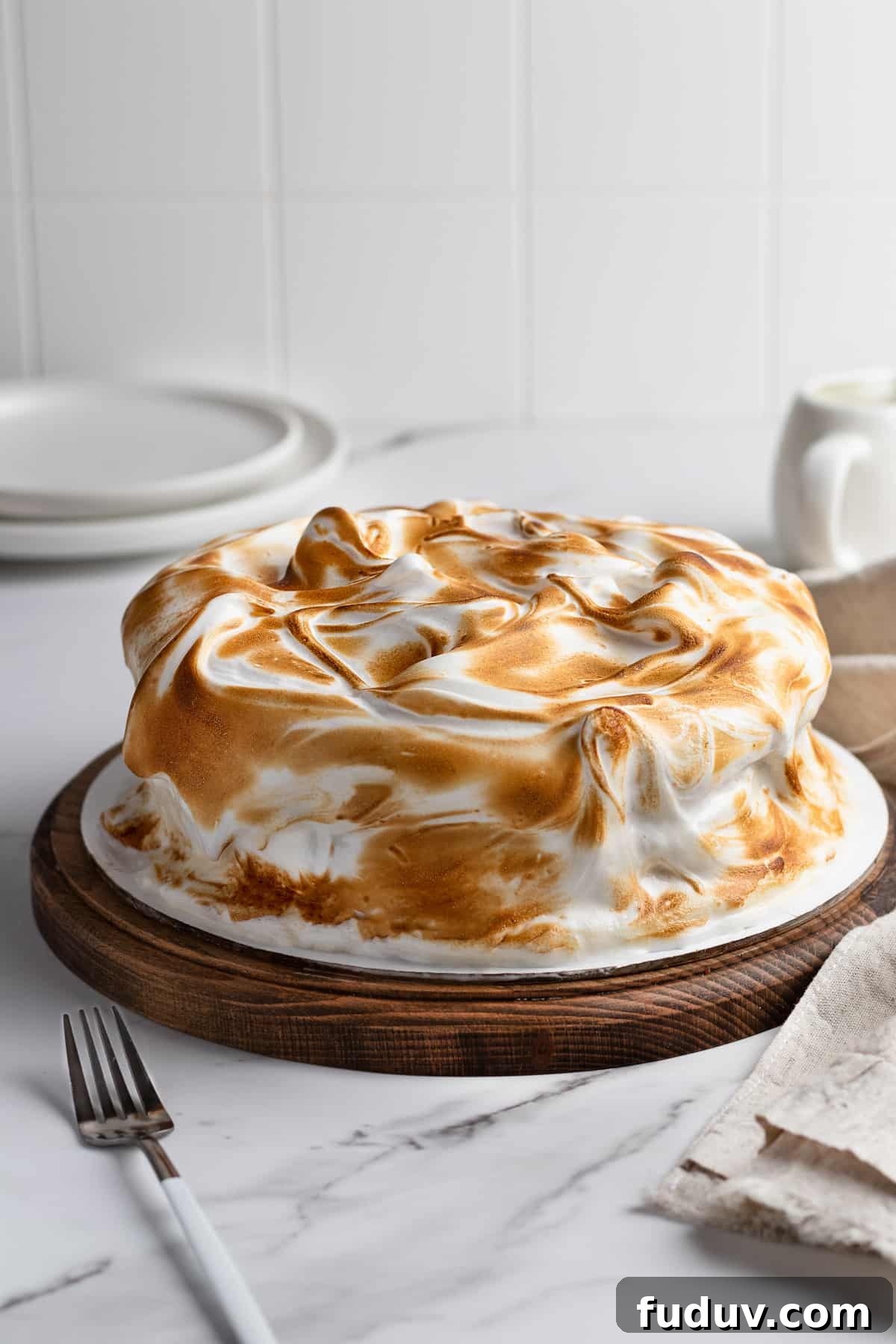
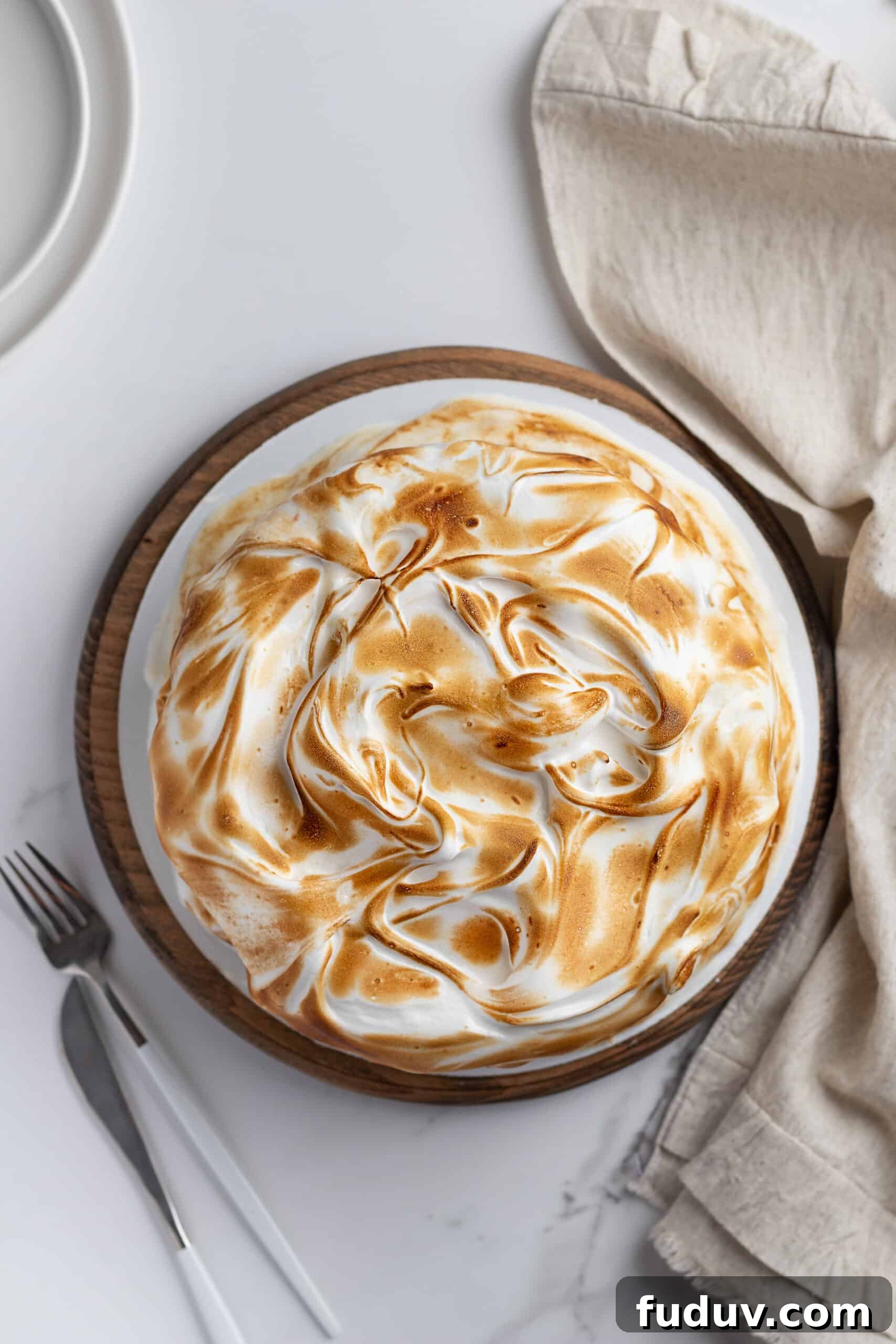
Cover the entire cake—top and sides—with the meringue using an offset spatula or the back of a spoon, creating peaks as you go. Torch the surface and edges lightly with a blow torch until golden, or place under a hot broiler for 30 seconds to 1 minute while watching closely to avoid burning. Serve immediately.
Make-ahead tip: You can bake the sponge a day ahead and store it wrapped in the refrigerator. Assemble and add meringue just before serving; if preparing earlier, torch the meringue right before serving.
Expert Tips
- Use only pasteurized egg whites if making an uncooked French meringue. Italian or Swiss meringue are cooked options that are safe to eat.
- Spread the meringue no more than an hour before serving for the best texture and appearance.
- If you don’t have a kitchen torch, use your oven broiler on the top rack and watch carefully—browning takes only 30–60 seconds.
- Don’t discard used vanilla pods—place them in a jar of sugar to make vanilla-scented sugar.
- Make the sponge a day ahead to save time on the day of serving.
Storing and freezing
Store the cake without meringue in the refrigerator for up to 24 hours and add the meringue just before serving. Baked and cooled sponge layers can be wrapped and refrigerated for a couple of days or frozen for up to one month.
Freezing a finished meringue-topped cake is not recommended—the meringue will lose its texture and shape after thawing.
Recipe FAQ
If the cake is topped with uncooked French meringue, there is a small risk of salmonella from raw eggs—use pasteurized egg whites or choose Italian or Swiss meringue, which are cooked and considered safe.
Yes. Italian meringue is made with hot sugar syrup and is more stable and safe to eat than French meringue.
Place the meringue-topped cake under the oven broiler on the top rack for a brief moment (30–60 seconds) and watch closely to avoid burning.
Love meringues? Try these next!
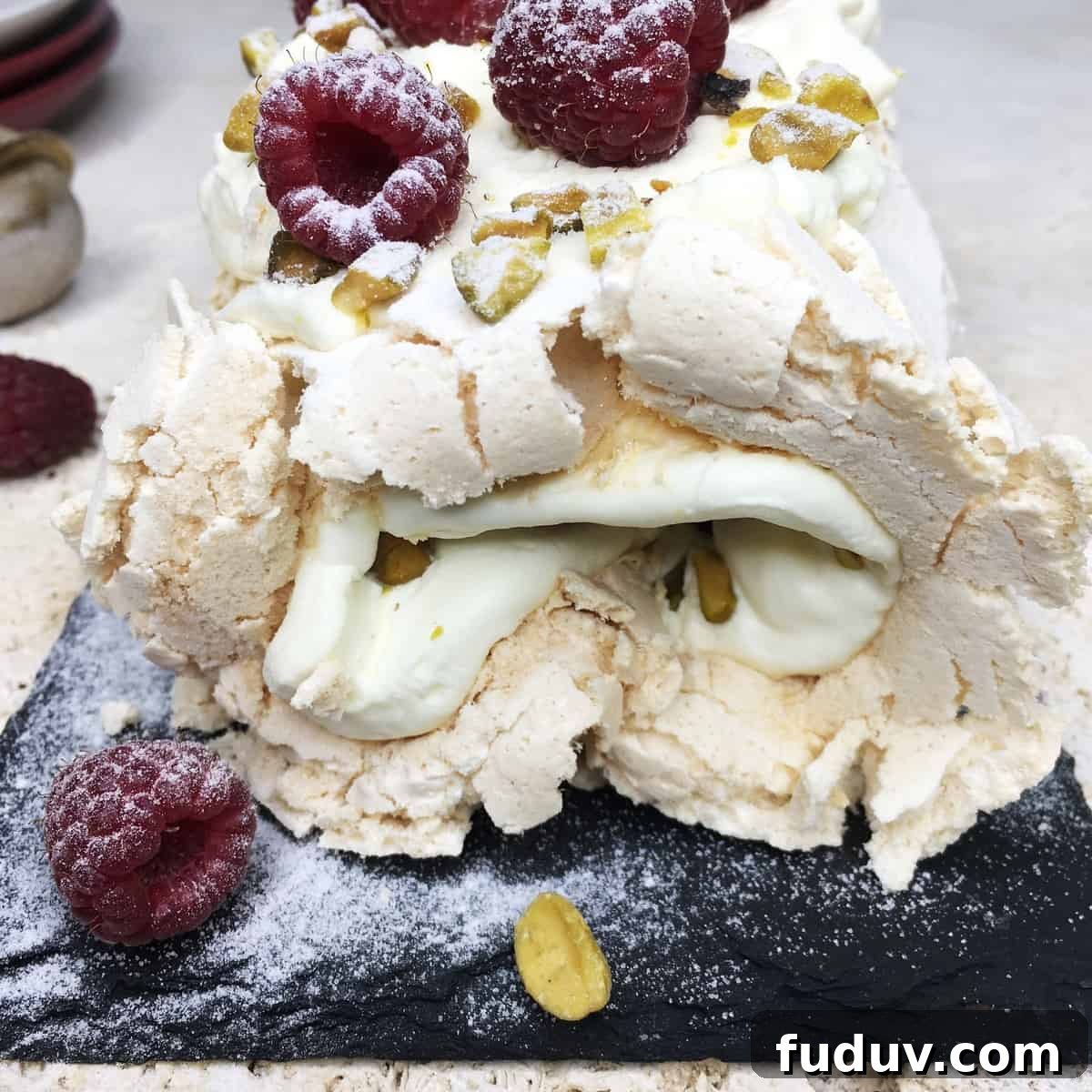
 Pavlova Roll (Meringue Roulade)
-
French Meringue Dessert Merveilleux
-
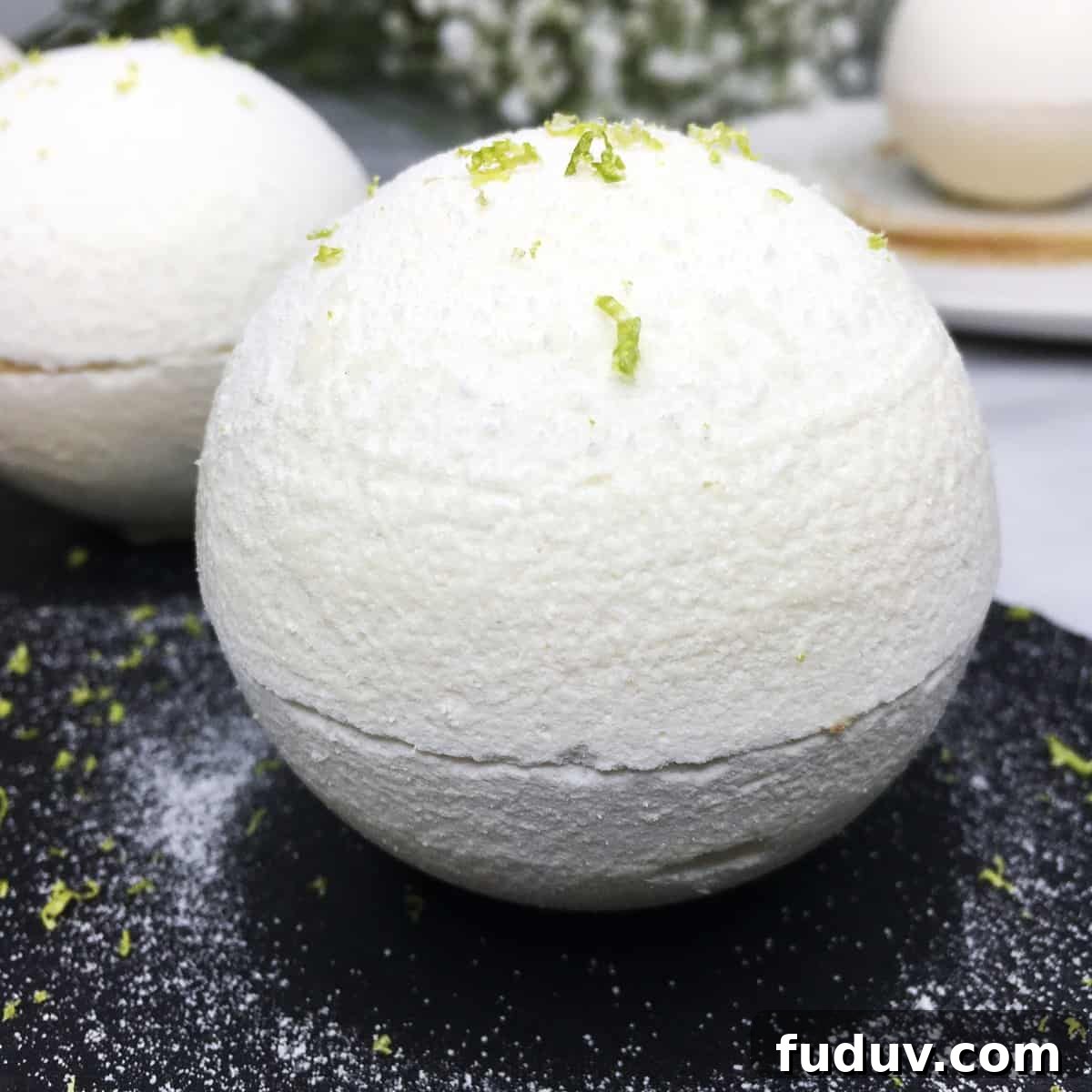
Christmas Meringue Spheres
-
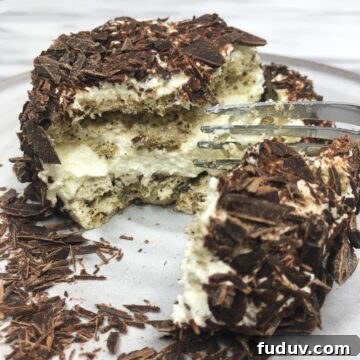
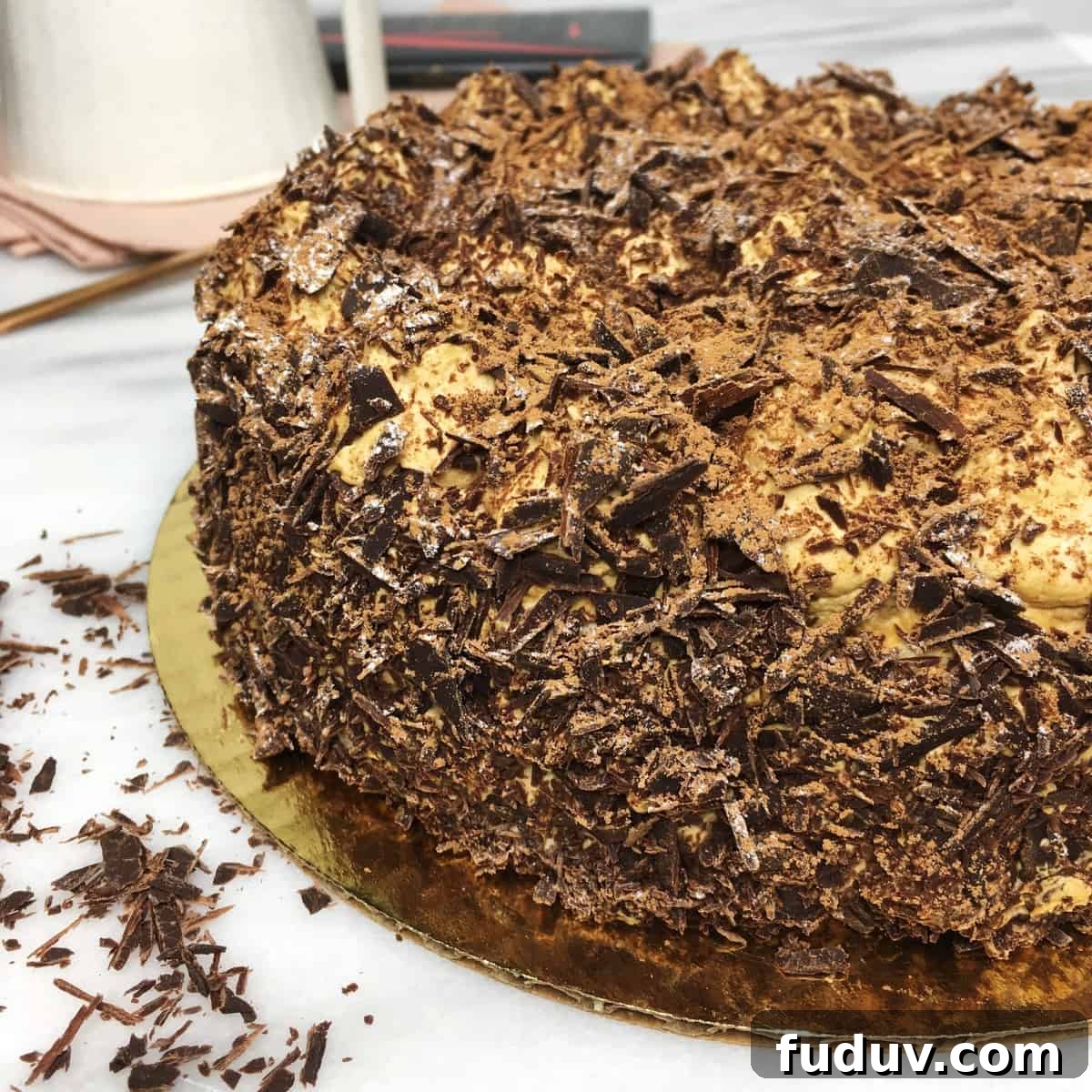
French Meringue Cake Merveilleux
Want more delicious and beautiful recipes? Subscribe to the newsletter for updates and follow for more baking inspiration. If you try this recipe, please leave a rating and a comment on the recipe card below.
Recipe card
Vanilla Meringue Cake (Cipriani Cake)
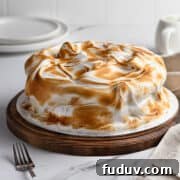
Indulge in a decadent vanilla meringue cake made with a soft Italian sponge, pillowy vanilla cream, and a light sweet meringue topping. This elegant cake is sure to impress.
- Author: Irina Totterman
- Total Time: 2 hours
- Yield: 8 servings
- Category: Cakes
- Method: Baking
- Cuisine: Italian
Ingredients
- 8-inch / 20 cm sponge cake
For the vanilla cream:
- ½ cup + 1 teaspoon (125 g) whole milk
- 1 vanilla bean
- 1 large egg yolk
- 1 ½ tablespoons (20 g) granulated sugar
- 2 teaspoons (6 g) cornstarch
- 2 teaspoons (5 g) all-purpose flour
- 2 teaspoons (10 g) cold unsalted butter
- 1 ½ cups (345 g) heavy cream, 30% fat
For the meringue:
- 4 large egg whites, room temperature (use pasteurized if using French meringue)
- 1 cup (225 g) granulated sugar
- 1 teaspoon lemon juice
Instructions
- Bake an 8-inch (20 cm) sponge cake and cool completely on a wire rack. Slice horizontally into three layers.
- Make the pastry cream: split the vanilla bean, scrape the seeds, and bring milk and seeds to a boil.
- Whisk egg yolk, sugar, flour, and cornstarch. Temper with hot milk, return to the pan, and cook until thickened while whisking constantly.
- Stir in cold butter, transfer to a shallow dish, cover with plastic wrap touching the surface, and let cool at room temperature.
- Whip chilled heavy cream to soft peaks. Fold in pastry cream gradually until smooth and firm.
- Assemble the cake: spread cream between layers, stacking all three sponge layers.
- Make the meringue: whisk egg whites, sugar, and lemon juice to stiff, glossy peaks. Cover the cake top and sides with meringue, creating peaks as desired.
- Torch the meringue lightly with a blow torch or brown briefly under the broiler. Serve immediately. If making ahead, add meringue and torch just before serving.
Notes
- Use pasteurized egg whites for French meringue, or make Italian meringue for a cooked, stable option.
- Spread meringue no more than an hour before serving for best texture.
- If using an oven broiler instead of a torch, watch the cake closely while browning.
- Save used vanilla pods in sugar to make vanilla sugar.
- Make sponge a day ahead and refrigerate wrapped; assemble the next day.
Nutrition
- Serving Size: 1 slice
- Calories: 427
- Sugar: 46.9 g
- Sodium: 74 mg
- Fat: 18.2 g
- Saturated Fat: 10.3 g
- Carbohydrates: 60.6 g
- Fiber: 0.4 g
- Protein: 8.4 g
- Cholesterol: 176 mg
Nutrition information is an estimate for informational purposes only and should be used as a general guideline.