I used to rush through winter. After Christmas my only goal was to speed toward spring, eager to leave behind snow, biting winds and long nights. Every other season felt easy to cherish: spring for its fresh green life, summer for long carefree days, autumn for foliage, scarves and roasted squash. Winter had Christmas—and then a long stretch of waiting for the next season.
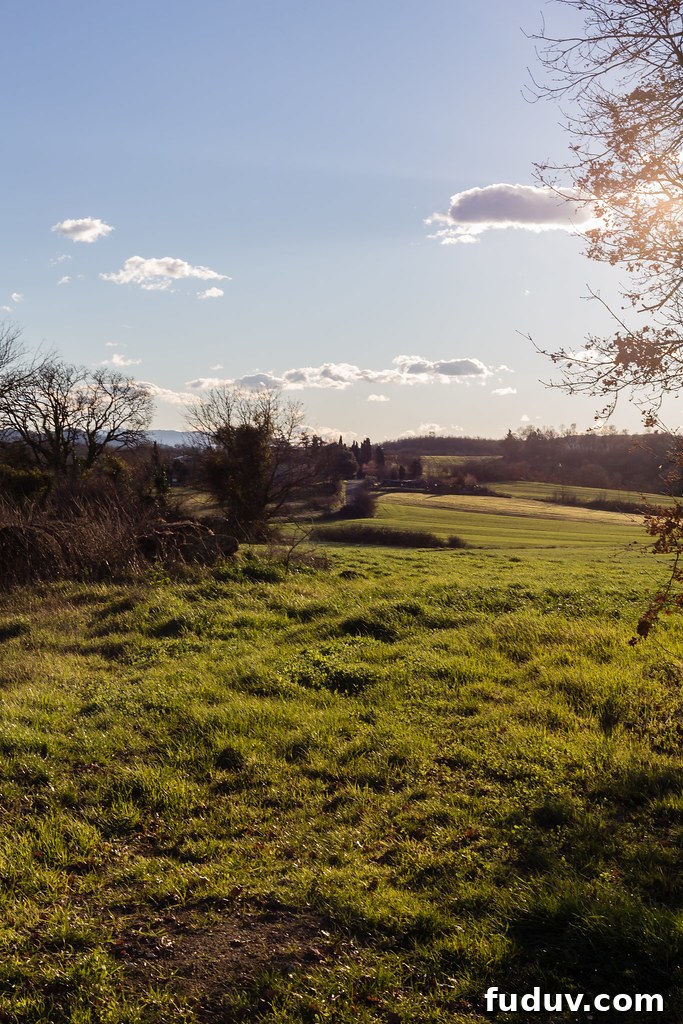
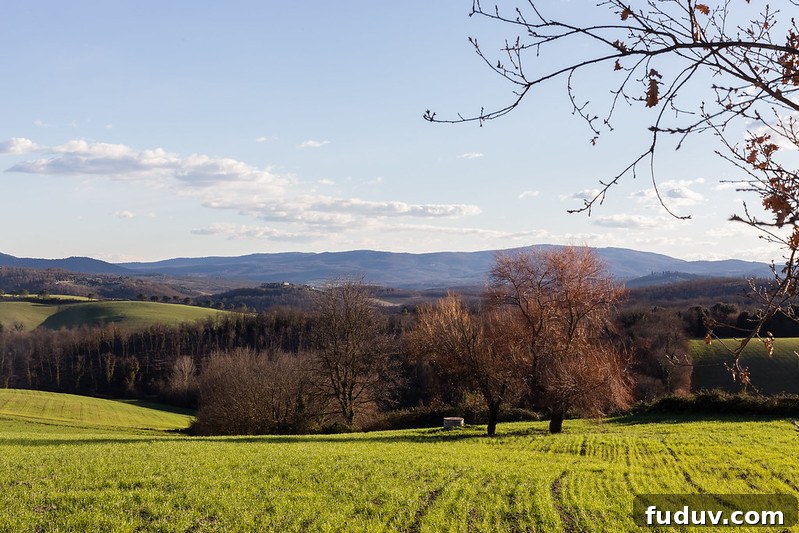
This year feels different. I’m finding pleasure in winter’s small moments. We’ve had mild sunny days, then rainy, blustery ones, and now clear skies with a raw cold that makes me hold a steaming mug of tea like a talisman. The landscape shimmers in the low afternoon light. I love wrapping up in layers of wool, hat, scarf and gloves and walking until my thoughts clear. I really need that clarity right now.
We’re finally near the day a bricklayer will come to work on our garage and begin transforming it into a lab. We’re flipping through swatch books to decide the look of our kitchen countertops—we’ve been determined from the start to have a white kitchen. We’re choosing flooring, trying to imagine how it will feel to walk, cook and photograph there. Small decisions feel huge when you’re building a space you’ll live and work in.
Meanwhile we’re in our second week of meal planning. I thought I could invent a different dinner every day, but after too many pasta nights and comforting takeout from mum or grandma, we shifted to weekly planning. The goal was practical: finish cooking recipes from the book on schedule, stay on budget using seasonal, local ingredients, and prepare quick, wholesome meals twice a day without stress. We’re on day nine and so far it’s working.
But I need a zabaione to lift my spirits—a small, warming indulgence to face the cold and keep from getting lost among swatch books, cabinet samples and flooring tiles.
Zabaione is a pale, frothy mixture of egg yolks beaten with sugar and a sweet wine over a bain-marie until light, thick and velvety. It can be enjoyed warm or chilled and always delivers a joyful boost of flavor and energy.

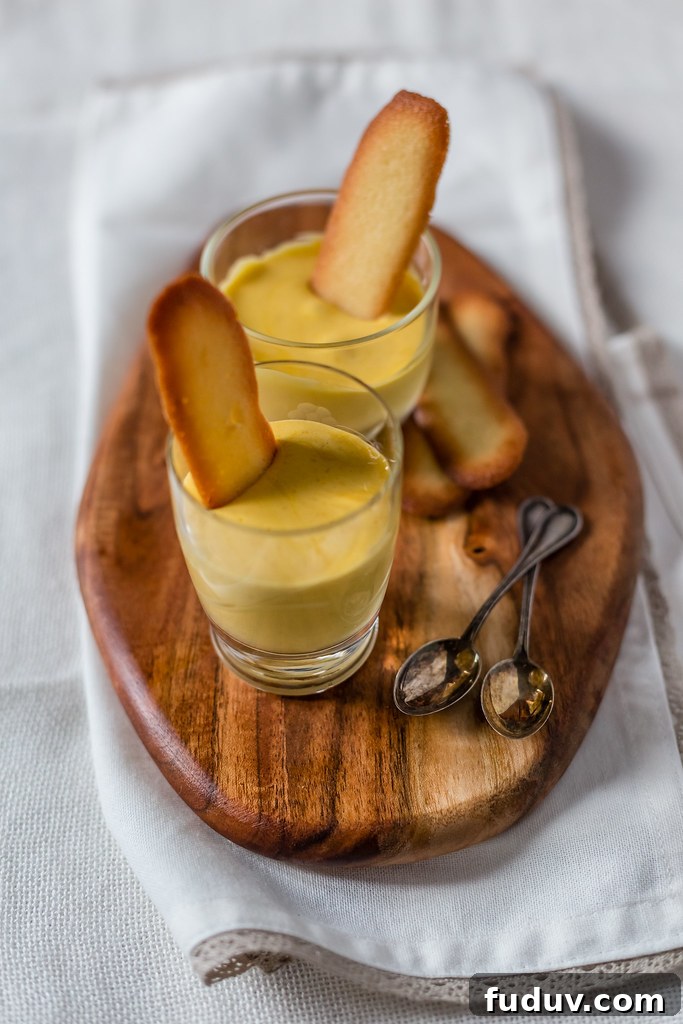
Zabaione is simple and needs only three ingredients. It demands attention while you whisk egg yolks, sugar and Marsala over gently simmering water, but the reward is immediate: a fragrant, airy custard with a heady hint of evaporating alcohol. The transformation that happens under your whisk is a small culinary miracle.
The origins of zabaione are many and intriguing. Some trace it to Arabic influence in Sicily; others credit a sixteenth-century Franciscan friar, San Pasquale Baylon, in Turin—said to have recommended the drink to penitents complaining about their worn-out husbands. Another story names Emiliano Giovanni Baglioni, nicknamed Zvan Bajòun, a soldier who supposedly created the mixture in the late fifteenth century when eggs, sugar and wine were the only available ingredients for feeding troops.
Zabaione appears in Renaissance kitchens from Mantua to Venice and even in Catherine de’ Medici’s court, where a similarly flavored frozen concoction was served. The name shows up in Bartolomeo Scappi’s 1570 cookbook Opera: his version blends egg yolks with muscat malvasia, cinnamon, light chicken broth and butter—distinctly Renaissance in spirit. By the seventeenth century, recipes grew sweeter and richer; Latini’s Lo scalco alla moderna includes pistachios, butter and stronger wines alongside spices.
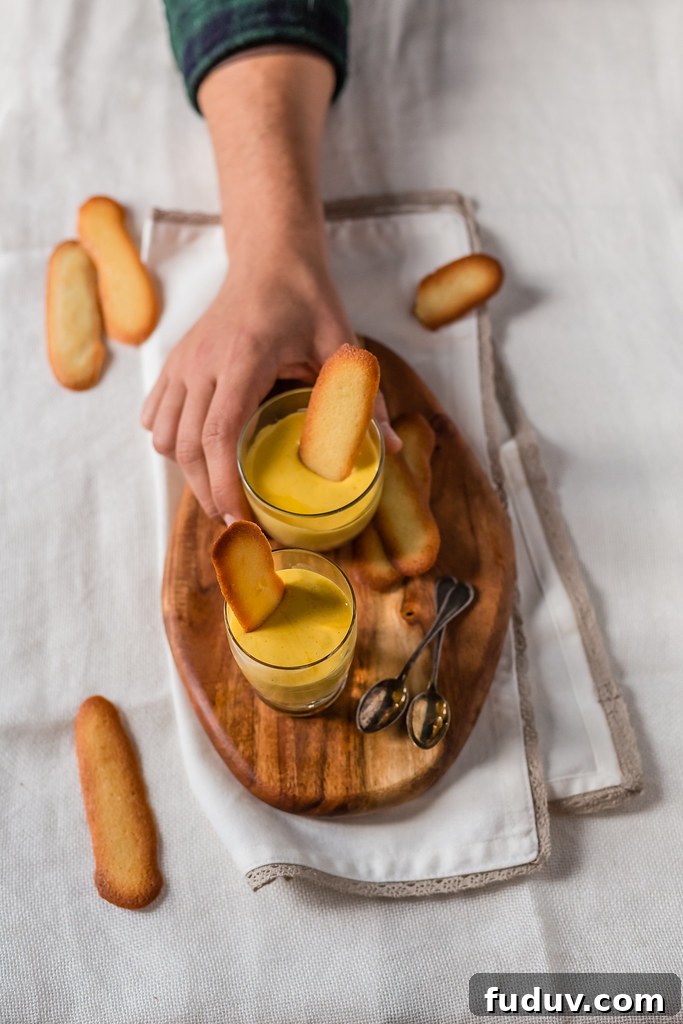
A quick zabaione to pick you up
Zabaione carries a long history rooted in simple, household ingredients. Making it is soothing and satisfying, but the greatest pleasure comes from sharing it with someone you love on a cold winter day.
Zabaione
Giulia
Ingredients
- 3 egg yolks
- 3 scant tablespoons of sugar
- dry Marsala wine, or Tuscan Vinsanto, Madeira, Moscato, Porto or Malaga
Instructions
-
Separate the egg yolks from the whites and place the yolks in a small heatproof bowl suitable for a bain-marie. Keep an empty eggshell to use as a measuring spoon if you like.
-
Add the sugar and the Marsala to the yolks. To measure Marsala tradition suggests filling half an eggshell. Whisk until combined, then set the bowl over gently simmering water.
-
Keep the heat low and whisk continuously so the yolks do not scramble. In five to ten minutes you should reach a thick, smooth and airy zabaione.
-
Serve warm or cool. To chill quickly, set the bowl into a larger bowl filled with ice water and stir until cold.
Order now Vegetables the Italian WayWith more than 70 seasonal recipes, it celebrates the instinctive, resourceful spirit of Italian home cooking.
Link Love
- An article about zabaione — a reminder that simple doesn’t mean boring.
- For those interested in technique, there are resources that explain the science behind a perfect zabaione.
- A playful piece that pairs tiramisu and zabaione as a lively pick-me-up.
- An essay on food culture that questions widely held beliefs about “healthy” foods and language around them.

A last note…
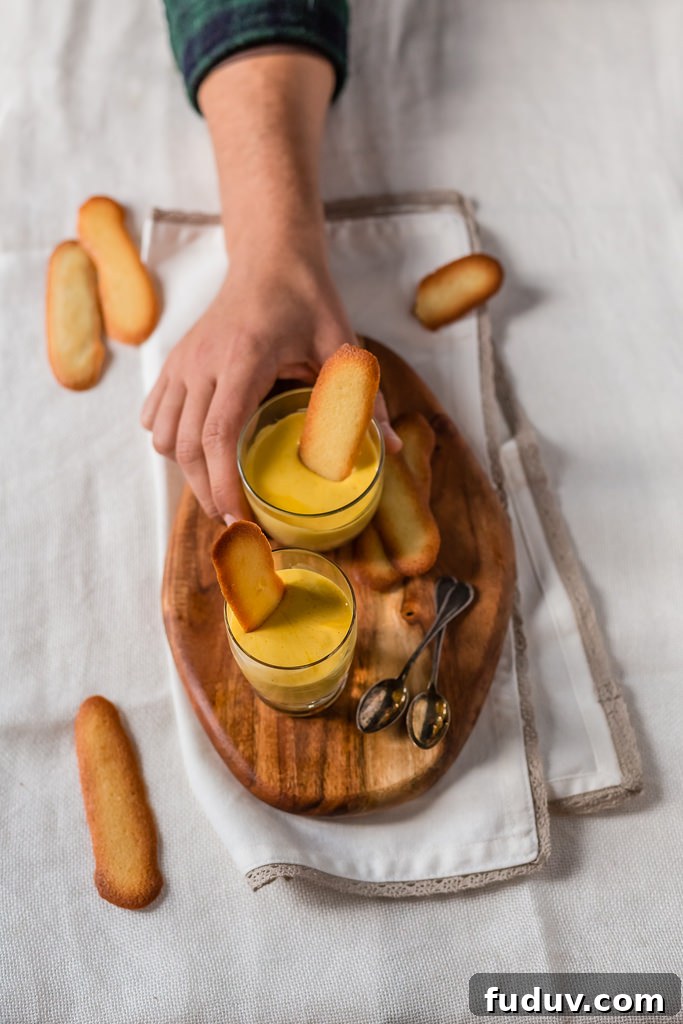
Have you noticed those cookies? They’re called lingue di gatto, or cat’s tongues, and they’re the perfect companion for zabaione—especially since you can make them with the leftover egg whites.
Use equal weights of egg whites, unsalted butter, sugar and flour. Beat butter and sugar until creamy, stir in the sifted flour and then add the egg whites (they don’t need to be whipped). Pipe thin 1 cm lines of batter onto parchment and bake at 200°C for about 10 minutes until edges brown slightly. They’re soft when they come out of the oven and crisp up as they cool.
Enjoy zabaione warm with a spoon or cooled with lingue di gatto for dipping—small winter pleasures that make the season easier to love.