2011
What does “gluten-free” mean to you? How do you decide if a product is “gluten-free” enough? What would it take for you to trust a product enough to feed it to a child with celiac disease or to risk your own health to try it?
These are questions gluten-free consumers face every day. This diet is not a trend for us; it is a medical necessity. Our health and long-term wellbeing depend on reliably avoiding gluten. That means making careful choices about which foods we trust and which manufacturers we rely on.
At present there is no fully implemented federal standard that defines an acceptable level of gluten in labeled gluten-free foods. Congress directed the FDA under the Food Allergen Labeling and Consumer Protection Act (FALCPA) of 2004 to establish such a standard, but the agency had not completed that rulemaking as of early 2011. In the absence of a finalized federal definition, consumers must often rely on manufacturers’ statements about gluten-free status. This leaves room for confusion and makes it difficult for shoppers to know which products are truly safe.
The most reliable way to be confident in a product’s gluten-free claim is independent third-party certification. Organizations such as the Gluten Free Certification Organization (GFCO) and other recognized celiac organizations conduct independent audits, testing, and ongoing monitoring to verify that products meet specific gluten thresholds.
The GFCO, a program of the Gluten Intolerance Group of North America, is one of the most widely recognized certifiers. It provides guidance on cross-contamination controls, evaluates supplier verification, and requires repeated testing of finished products. GFCO-certified foods are tested and monitored to ensure they contain no more than 10 parts per million (ppm) of gluten, a limit that falls below many scientifically accepted thresholds.
Producers that meet these standards receive a visible certification mark they may place on packaging. That mark signals to consumers that the product and its production system are subject to ongoing inspections, spot checks, and independent testing to ensure the product continues to meet the certifier’s gluten limit. Earning and maintaining that seal requires commitment, time, and expense, but it provides a level of assurance that many consumers rely on when making safe food choices.
This independent mark is something consumers readily recognize and trust.
Many companies have entered the gluten-free market as demand has grown. Some established manufacturers reformulate or develop new products specifically for gluten-free consumers and choose to pursue independent certification to build trust. Others, however, either make their own gluten-free claims without third-party verification or use language that suggests a certification that does not exist.
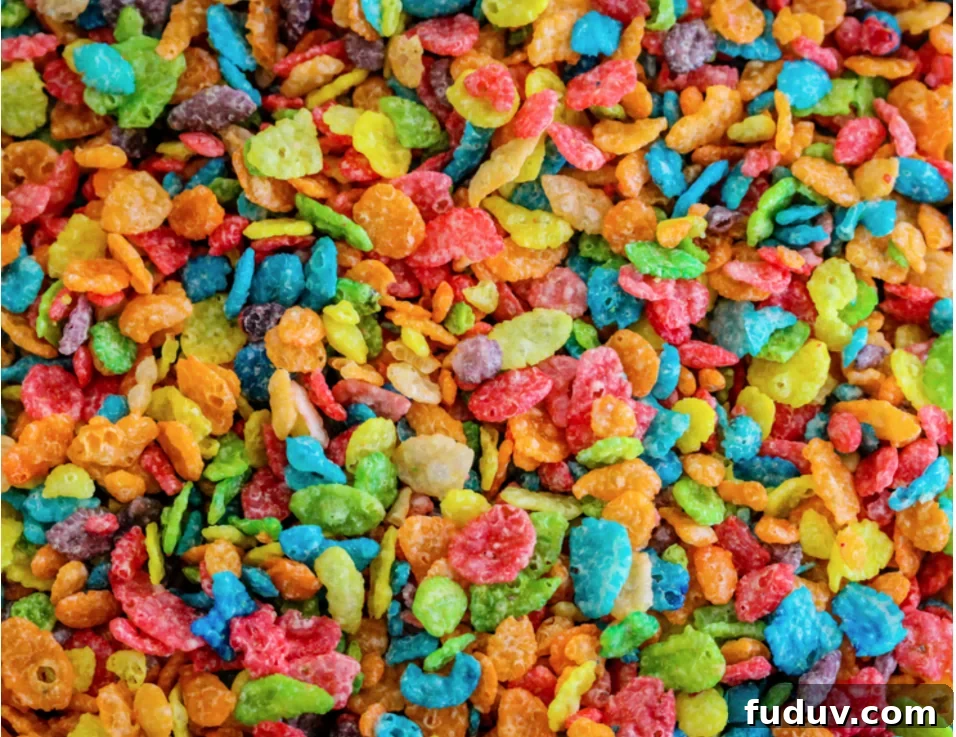
One recent example involves Post Foods, LLC and its Fruity and Cocoa Pebbles cereals. In a December 2010 press announcement, Post stated that these rice-based cereals would be “certified as Gluten Free” after reformulation and reduction of sugar content:
POST FOODS, LLC WORKING TO PROVIDE EVEN BETTER BREAKFASTS FOR KIDS
Cereal Corporation Announces Nutritional Changes to Pebbles Brand
PARSIPPANY, NJ (December 22, 2010) /PRNewswire/ — Post Foods, LLC, the makers of Fruity and Cocoa Pebbles, announced plans today to improve its most popular kids’ cereals in its ongoing effort to address the rise in nutritional concerns among American consumers.
Beginning in January, Post Fruity and Cocoa Pebbles cereals will have a lower sugar content of 9 grams per serving. In addition to lowered sugar levels, all Pebbles varieties are also Cholesterol Free, an Excellent Source of Vitamin D, Low Fat and provide 10 Essential Vitamins and Minerals.
Fruity and Cocoa Pebbles, rice-based cereals, will also be certified as Gluten Free, a relatively unique distinction in the cereal category. In response to increased concerns over celiac disease and products containing wheat gluten, the brand went through a rigorous process to achieve Gluten Free status on both Fruity and Cocoa Pebbles products.
“Post Foods is dedicated to providing both nutritious and delicious cereals for people of all ages, and we’re pleased to announce improvements to the Pebbles brand that will assist in our ongoing efforts to improve kids’ nutrition,” said Bart Adlam, President of Post Foods. “By lowering our sugar content and providing Gluten Free certification, we hope moms feel confident serving a cereal that combines the fun and heritage of Bedrock with great taste that kids love.”
Additionally, Post Foods is working as part of the Children’s Food & Beverage Advertising Initiative (CFBAI), a program launched by the Council of Better Business Bureaus to help tackle the issue of childhood obesity by changing the mix of advertising messages directed to children under 12 to include healthier choices. A report released Dec. 15th by the CFBAI shows Post Foods is demonstrating compliance with our pledge to advertise healthier foods to kids under 12.
“This is a wonderful holiday present for consumers – iconic cereals with the same great taste but lower sugar content,” said Elaine Kolish, Vice President and Director of the CFBAI. “We commend Post Foods for its commitment to making and advertising healthier choices for kids. This is one more great example of how the commitment to self regulation and responding to consumer needs is making a difference in children’s advertising.”
Media Contact:
Jennifer Mennes
Director of Media and Public Relations, Post Foods, LLC
973.658.2380
Many in the gluten-free community welcomed the announcement, but some consumers who reached out to Post learned that the company had not obtained independent third-party certification. Instead, Post described its process as internal validation and supplier verification, along with outside laboratory testing, but without an independent certifier’s mark on the boxes. Below are excerpts from email exchanges between concerned consumers and Post representatives:
Post stated they had performed supplier verifications, ingredient and finished product testing by outside laboratories, production line testing, and added process controls to reduce cross-contact. However, Post confirmed they do not display third-party verification symbols on packaging and characterized their approach as an internal validation rather than independent certification.
For many in the celiac and gluten-free community, that distinction matters. “Certification” generally implies that an independent organization has audited facilities, reviewed processes, and verified testing. When manufacturers use the term without independent review, it can mislead consumers who rely on recognized third-party seals to make safe choices for themselves and their families.
Independent certification provides ongoing assurance: it commits a manufacturer to regular inspections, spot checks, and transparent testing standards. That continuity is important because production methods and sourcing can change over time. From a business standpoint, independent certification also builds customer trust, encourages brand loyalty, and can translate into increased sales from consumers seeking products they can confidently buy.
For a large, established manufacturer like Post Foods, pursuing independent certification from a recognized organization would be a relatively straightforward and affordable step to strengthen consumer confidence. In the meantime, consumers who care about independent verification can contact Post directly to express their preferences and encourage the company to adopt third-party certification.
Bart Adlam, President of Post Foods, LLC
via Scott Monette, ph: 314-877-7113
800 Market Street
St. Louis, MO 63101
Jennifer Brain-Mennes, Director of Media & Public Relations
Ph: 973-658-2380
Customer Service
Ph: 314-877-7000 / fax: 314-982-2134
If you want federal clarity on the meaning of “gluten-free,” consider contacting advocacy groups and your representatives to encourage the FDA to finalize a clear, science-based standard so consumers have consistent protections and manufacturers have a single rule to follow.