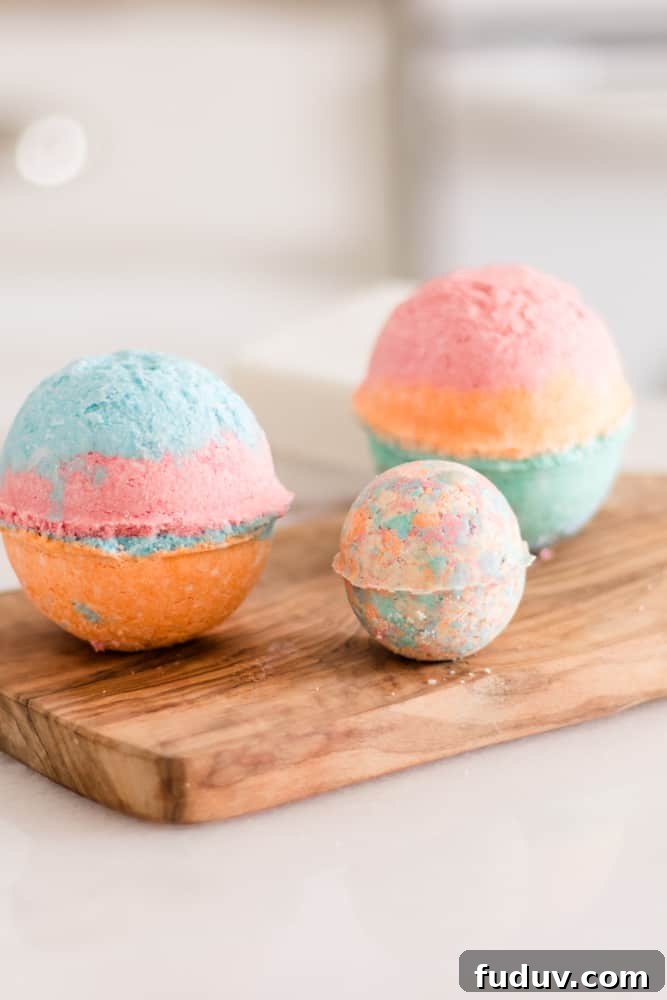
These rainbow bath bombs are fun for kids, simple to make, and perfect as handmade gifts. Made with natural ingredients and colored with mica powder, these bath bombs are gentle and nourishing for the skin.
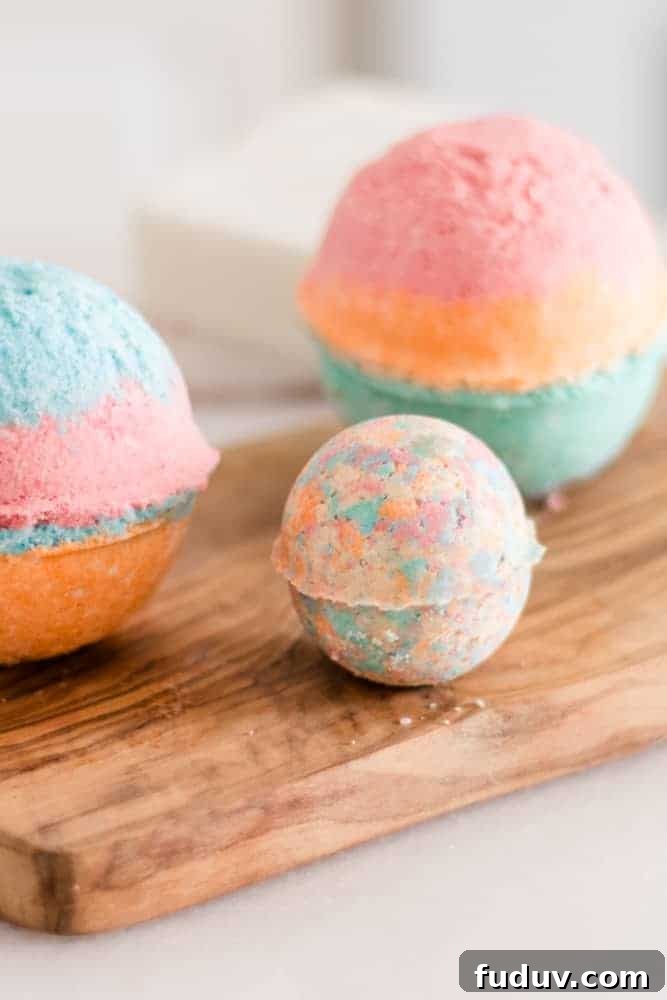
I wanted a kid-friendly bath bomb recipe because my little ones love long baths. Dropping a fizzy bomb into our large tub or jacuzzi turns ordinary bath time into a joyful experience.
My daughter enjoys helping with DIY projects, and she’s especially fascinated by mica powder. We use mica as a natural coloring because it adds vibrant, shimmering hues without harsh dyes.
We decided to make rainbow bath bombs together. It was my child’s idea, and they turned out even cuter and easier to make than I expected.
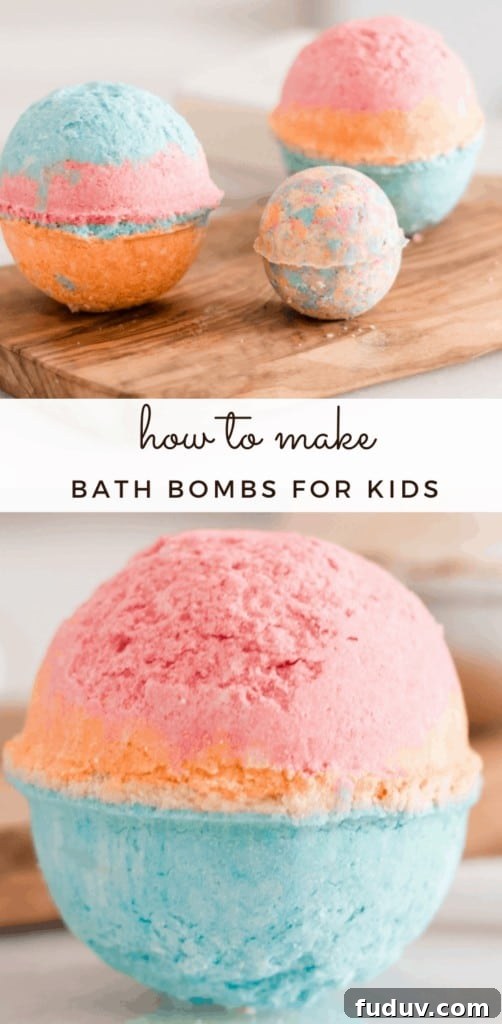
DIY Bath Bombs for Kids
A standard bath bomb recipe is great for adults, but I wanted one tailored to children—bright colors, mild scent, and nourishing ingredients. Using multiple colors and layers helps entice kids who might otherwise resist bathtime.
To make rainbow bath bombs, divide the prepared bath bomb mixture into small bowls, tint each portion with mica powder, then pack the colored layers into the mold. Press the halves together firmly so the layers stay intact.
For skin and muscle care, I include coconut oil and Epsom salt, and I add a small amount of essential oil for a light aroma. This way, while kids are having fun, they’re also soaking in gentle, skin-friendly ingredients.
Bath Bomb Recipe for Kids
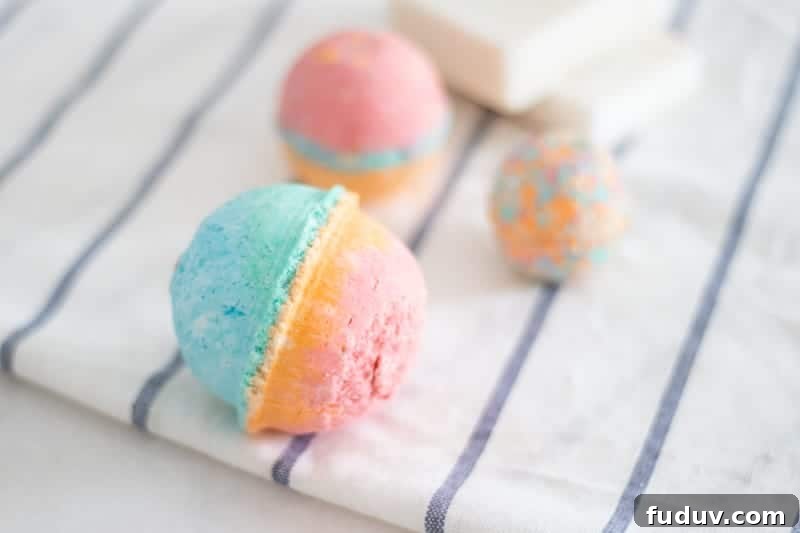
You’ll need basic ingredients, bath bomb molds, a spray bottle, and optional essential oils for aromatherapy benefits. The list below covers everything for a colorful batch of rainbow bombs.
What You Need to Make Rainbow Bath Bombs
Full ingredient amounts are included in the recipe card below.
- Baking soda
- Citric acid
- Cornstarch
- Epsom salt
- Coconut oil (melted)
- Essential oils (optional)
- Mica powder (red, orange, yellow, green, blue)
- Spray bottle
- Bath bomb molds (plastic Easter eggs work as an alternative)
If you don’t have molds, you can make fizzing bath salts instead—similar results without a mold.
How to Make Bath Bombs for Kids
- Combine all dry ingredients in a medium bowl and mix until evenly blended.
- Whisk in melted coconut oil and essential oils if you’re using them.
- Lightly mist the mixture with water from a spray bottle, one quick spray at a time, until it holds together when squeezed. Avoid over-wetting.
- Grease your molds lightly with coconut oil.
- Divide the mixture into five small bowls and tint each with a different mica color. Start with about 1/8 teaspoon of mica per bowl and add more if needed.
- On one side of the mold, layer red then orange. On the other side, layer blue then green. Add yellow to both sides so there’s slight overfill. Press the two halves together firmly, then clean off excess.
- Let the molds dry for 24–48 hours, or until fully set, then carefully remove the bath bombs.
Rainbow Bath Bombs
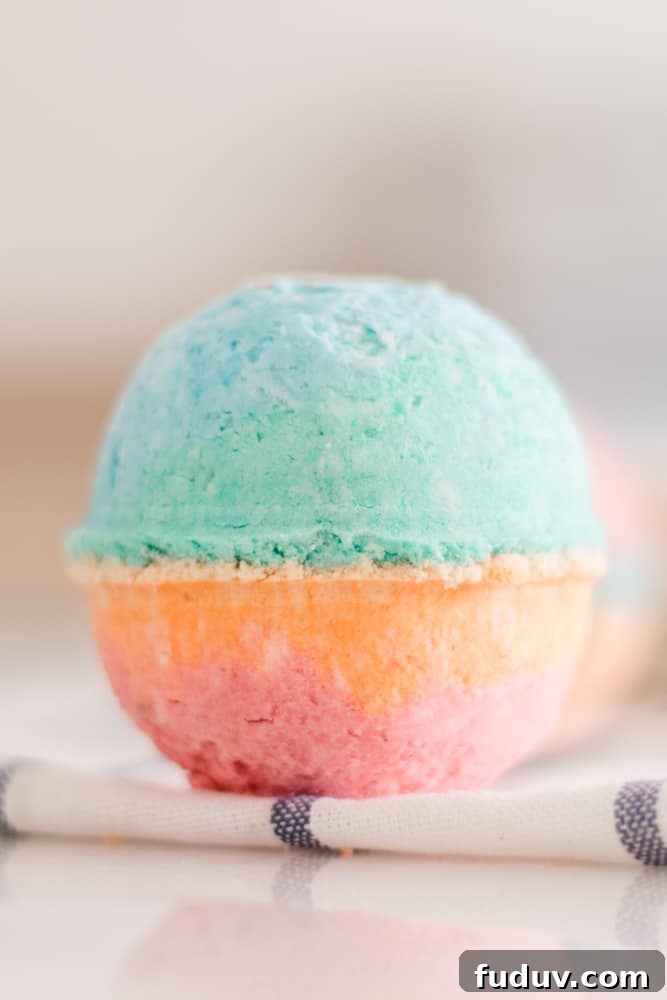
Once you’ve made a few batches, customizing colors and combinations becomes effortless. For a unicorn-themed bomb, try pink, purple, and white. You can also let kids decorate plain white bombs with mica paint made from mica powder mixed with a small amount of isopropyl alcohol and applied with a paintbrush.
Essential Oils for Homemade Bath Bombs
Essential oils add aroma and light aromatherapy benefits. Because this recipe is for children, halve the usual amount of oil—essential oils are highly concentrated and should be diluted for young skin.
For these kids’ bath bombs use a total of about 10 drops of essential oil. Gentle choices include lavender, wild orange, frankincense, and Roman chamomile.
Essential Oil Blends for Bath Bombs
Relaxing
- 5 drops lavender
- 3 drops frankincense
- 2 drops Roman chamomile
Citrus
- 5 drops wild orange
- 3 drops lime
- 2 drops lemon
Soothing
- 5 drops copaiba
- 3 drops lavender
- 2 drops spearmint
How to Use Bath Bombs
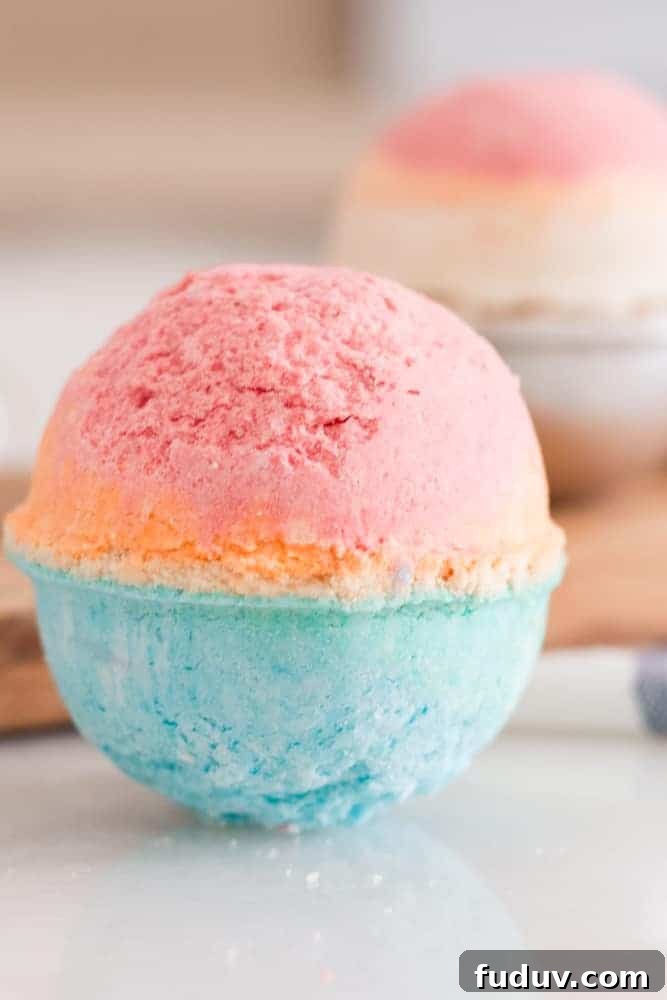
Fill the tub with warm water and drop in a bath bomb. It will fizz and dissolve, tinting and scenting the water. Kids love holding the fizzing bomb and feeling the bubbles on their hands.
What Is Mica Powder?
Mica is a natural mineral that’s ground into a fine powder. Mica powder often has a subtle shimmer and is widely used to add color and sparkle to bath bombs, soap, bubble bars, lip gloss, paints, and crafts.
How Long Do Bath Bombs Last?
When stored properly, bath bombs will keep for about six months. Citric acid can lose potency over time, which may reduce fizz if bombs are stored longer than six months.
Best Way to Store Bath Bombs
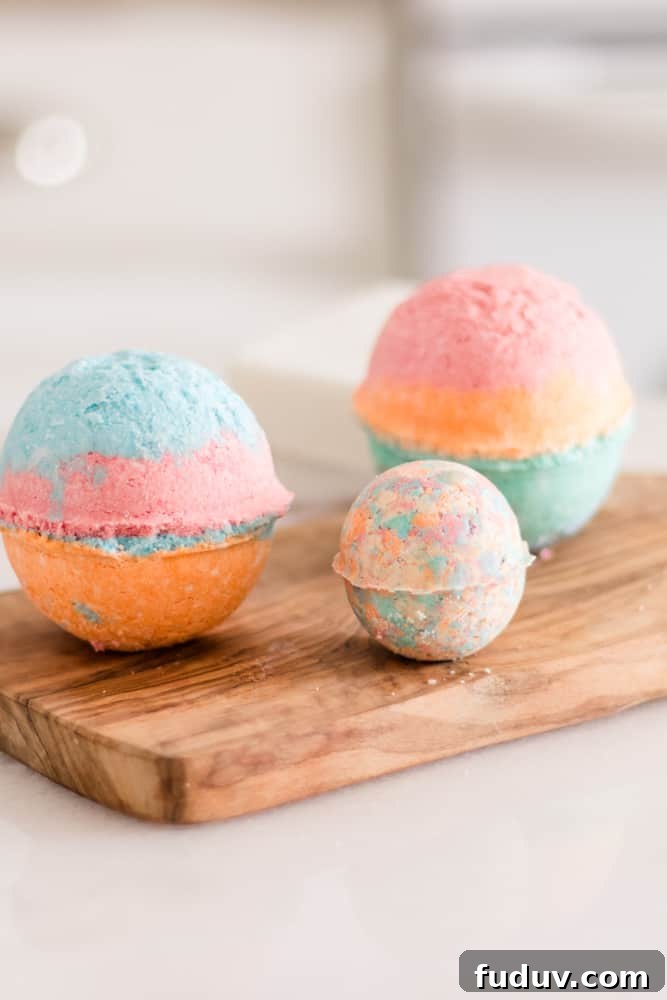
Store bath bombs in a cool, dry place away from direct sunlight. A wicker basket on a shelf looks nice and keeps them dry. As long as they remain dry, they will retain their shape and fizz.
More Favorite Bath Recipes
- 3 Herbal Bath Teas
- DIY Rose Bath Salts
- Detox Foot Bath
- Homemade Moisturizing Bath Truffles
- Bath Bombs Without Coconut Oil
Bath Bomb Recipe for Kids
Yield: 6 bath bombs
Prep: 10 mins | Active: 10 mins | Additional time: 1 day
Equipment
- Spray bottle
- Bath bomb molds or plastic eggs
- Small bowls
- Rubber gloves (optional)
Ingredients
- 1 cup baking soda
- 1/2 cup citric acid
- 1/2 cup cornstarch
- 1/4 cup Epsom salt
- 1/4 cup melted coconut oil
- 10 drops essential oils (optional)
- Mica powder: 1/8 teaspoon each of red, orange, yellow, green, blue
Instructions
- Mix the dry ingredients in a medium bowl until well combined.
- Stir in melted coconut oil and essential oils if using.
- Spray the mixture lightly with water, one quick spray at a time, until it holds together when squeezed.
- Grease molds with coconut oil. Divide the mixture into five bowls and tint each with a different mica color.
- On one side of the mold add red then orange. On the other side add blue then green. Add yellow to both sides so each half slightly overflows. Press halves together firmly and remove excess.
- Let the molds dry 24–48 hours, then gently unmold.
Notes
Store bath bombs in a cool, dry place away from direct sunlight. A basket is a simple storage option. For visual guidance, follow a step-by-step video tutorial if desired.
This recipe is for educational purposes only and is not intended as medical advice. Test ingredients if your child has sensitivities and use essential oils with appropriate dilution for children.