So you’re cooking a steak and unsure how you want it done. Have you ever considered blue steak?
If you think you’ve tried every level of doneness, here’s a style you may not have tried: blue rare.
This article explains:
- What blue steak (blue rare) is
- How to cook a blue rare steak safely
- What blue steak tastes and feels like
- Tips for getting a great blue rare steak
Jump to Section
What is Blue Steak/Blue Rare Steak?
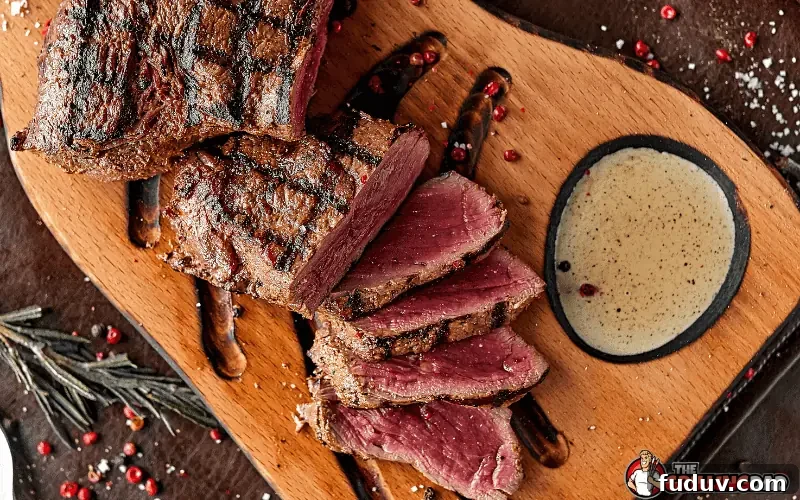
Blue steak, also called blue rare, is the most minimal cooking short of eating raw meat. The exterior is quickly seared to develop a crust while the center remains nearly uncooked. The result is a crisp, flavorful outside with a cool, tender interior.
This style is often linked to the steelworkers of Pittsburgh; more on that below. Blue rare isn’t for everyone, but it has grown in popularity among those who prefer very rare beef. A common misconception is that rare steaks are “bloody.” The red liquid you see is not blood but a mix of water, fat and myoglobin, a muscle protein; most blood is removed during processing.
Continue reading for cooking guidance, temperature targets, and practical tips for a successful blue rare steak.
What Should the Blue Steak Temperature Be?
When people ask how hot a blue rare steak should be, they mean the internal temperature. Aim for an internal temperature between 115°F and 120°F. Below 115°F is closer to raw; above 120°F moves away from the blue category. Some purists cite much lower temperatures, but 115–120°F is a practical and appetizing target for most cooks.
Why is it Called Blue Steak?
The origin of the term “blue rare” is debated. One theory says freshly cut meat can appear bluish or purplish before oxygen turns it red. Another ties the name to the French term “bleu,” a cooking descriptor. Some suggest the cool interior evokes the color blue, or that the thin oils left after searing can have a bluish tint. Regardless of the name’s origin, the defining trait is the nearly raw center surrounded by a seared crust.
The Blue Steak’s Pittsburgh Connection
Blue steak is sometimes called “Pittsburgh steak,” “Pittsburgh-style,” or “Black & Blue.” The legend goes that steelworkers in Pittsburgh, pressed for time, wrapped thick steaks in foil and cooked them on extremely hot surfaces, producing an intensely charred exterior while keeping the center cool and nearly raw. That dramatic outside/inside contrast is the hallmark of Pittsburgh or blue steak preparations.
Can You Eat Blue Rare Steak? Is it Safe?
Blue rare can be safe when proper techniques and quality sourcing are used. Harmful bacteria typically reside on the surface of whole-muscle beef rather than the interior, so a thorough sear of all exterior surfaces kills surface bacteria. That said, buy fresh, high-quality cuts from a trusted butcher and avoid meat that’s been frozen or left out too long.
Public health agencies recommend higher internal temperatures (for example, 145°F for whole cuts), so a blue rare steak falls below those conservative guidelines. Many cooks accept the lower internal temperature for whole-muscle steaks when searing is done correctly, but it’s a personal choice and depends on your comfort level and the source of the meat.
How to Cook a Blue Steak
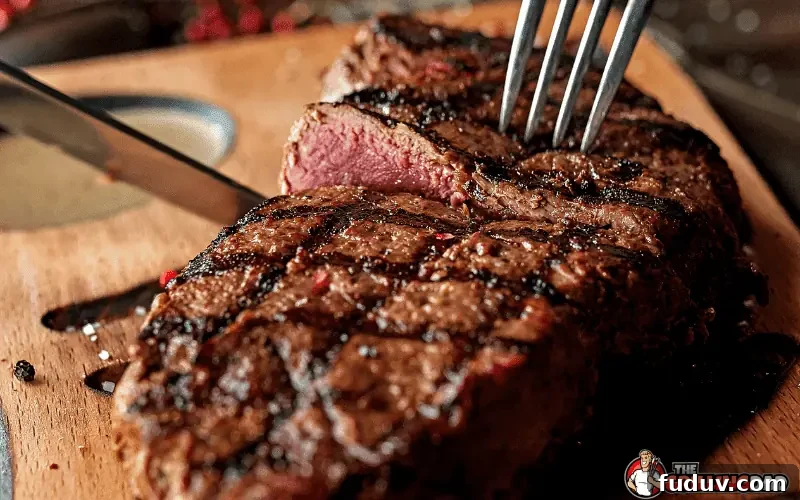
Follow these steps to achieve a proper blue rare steak.
Step 1: Prep
Let the steak sit at room temperature for about 30 minutes so it warms evenly and won’t cook unevenly during the quick sear.
Step 2: Dry and Season
Pat the steak dry with paper towels. A dry surface sears better. Lightly coat with a high smoke-point oil and season simply with salt and pepper, or use your preferred steak seasoning.
Step 3: Grill Prep
Preheat your grill to very high heat. For gas grills, heat the grates for 10–15 minutes on high; for charcoal, concentrate the coals and preheat for 20–25 minutes. The goal is an extremely hot surface to sear quickly without cooking the interior.
Step 4: Sear
Place the steak on the hottest part of the grill and leave it untouched for about one minute. Flip and sear the other side for roughly one minute on a clean spot of the grill. Quick, intense contact forms the crust while keeping the center cool.
Step 5: Sear the Sides
Use tongs to hold the steak on its edges and sear the sides briefly so every surface has contact with high heat. If one part of the grill is slightly cooler, use that area to avoid overcooking the edges.
Step 6: Rest
Remove the steak and rest it for at least five minutes. Resting lets juices redistribute; cutting immediately will cause juices to pool on the cutting board rather than in the meat.
Step 7: Serve and enjoy!
Serve the steak promptly after resting. Blue rare steaks are best eaten soon after cooking while the seared crust and cool interior contrast is most pronounced.
What is Blue Rare vs Rare Steak?
The main difference is internal temperature. Blue rare targets about 115°F, while rare generally reaches about 125°F. The result is a slightly more cooked interior with rare compared to the cooler center of blue rare.
Which Cuts of Meat Can Be Cooked Blue?
Not every steak is suitable for blue rare. Choose lean, tender cuts with minimal marbling and at least 1 inch thick so the interior stays cool while the exterior sears. Good choices include:
- Top sirloin
- Flat iron
- Filet mignon
- Trimmed New York strip / sirloin strip
Use higher-quality cuts from a butcher rather than prepackaged supermarket steaks, and trim excess fat on steaks like the New York strip to avoid flare-ups if grilling over open flame.
Are There Any Cuts of Beef That Shouldn’t be Cooked Blue?
Avoid fatty or tough cuts for blue rare cooking. High-fat steaks and cuts with lots of connective tissue need longer time over heat to render fat and break down fibers. Examples to avoid for blue rare include:
- Ribeye
- Skirt steak
- Hanger steak
- Flank steak
- Flap steak
- Porterhouse
- Bottom sirloin
- Wagyu/Kobe
These cuts can be excellent when cooked appropriately, but the quick, high-heat method used for blue rare won’t produce the best results for them.
What Does Blue Rare Steak Taste Like?
The seared exterior delivers the familiar char and Maillard flavor most steak lovers enjoy. The interior is cool and intensely beefy. On the palate some describe the texture as sponge-like; others praise blue rare as the purest expression of beef. The contrast between the hot, seasoned crust and the cool, tender center is the defining sensory experience.
Does Blue Rare Steak Have a Weird Texture?
The center of a blue rare steak feels more tender and springy than a cooked interior because heat hasn’t broken down the muscle proteins. That bouncy, beef-forward texture is different from more cooked steaks and is preferred by many when eating premium cuts left near their natural state.
Tips for Making a Blue Rare Steak
Quick reference tips to help you succeed:
- Choose leaner, tender cuts with minimal fat.
- Pick steaks at least 1 inch thick to protect the interior from overcooking.
- Limit searing to about one minute per side on an extremely hot surface.
- Sear all exterior surfaces, including the edges, to kill surface bacteria.
- Use an instant-read meat thermometer to monitor internal temperature and avoid exceeding your target.
These basics will make the unfamiliar feel routine as you get comfortable with the fast, high-heat method.
Final Thoughts on Blue Rare Steak
Blue rare steak is a distinct way to enjoy high-quality beef: a blistered, flavorful crust with a cool, tender center. You now know what it is, which cuts work best, how to cook it, and what to expect in taste and texture. If you enjoy very rare beef, try a blue rare steak at least once to decide if it suits your palate.