School lunches aren’t inherently good or bad — and I’m not here to argue that overall. That said, I do believe school meals could be improved. 🙂
Today I want to focus on picky eating: could school lunches contribute to or make picky eating worse for some children? I think they can.
Below I outline 10 reasons school lunch might be unfriendly to a picky eater. Some of these may apply to your family, others may not — I’d love to hear what you think.
If you’re working with a child who resists new foods, consider joining the No More Picky Eating Challenge starting October 1–2, 2024. It’s a free, five-day program with short videos and daily action steps. Many families see quick progress: over half of participants try new foods during the challenge, and more than 85% report less stress at the dinner table.
Sign up for the challenge on the Raising Healthy Families site.
Find episodes of the Healthy Parenting Handbook podcast on the Raising Healthy Families site or wherever you get podcasts:





Please leave a review on Apple Podcasts if you enjoy the show — thank you!
Can’t see the video? Watch “The Connection Between School Lunch and Picky Eating” on YouTube.
If you don’t have time for the video, here are the key notes and takeaways.
- 1:23 — I’ve worked with thousands of parents helping kids build healthier relationships with food.
- 1:52 — Parenting alone doesn’t create a picky eater, but innate tendencies plus words, routines, and the mealtime environment can either help or worsen picky eating.
The Impact of School Lunches on Picky Eating
- 3:10 — What happens when kids regularly eat school or daycare lunches? Here are 10 reasons those meals might encourage picky eating.
- 3:39 — These points won’t apply to every child or every school, but they are common patterns I’ve observed.
- 3:46 — My No More Picky Eating challenge runs twice a year; 85% of parents report less stress at the table after participating.
The Role of Highly Processed Food
- 5:33 — The most important point: when kids eat food that always tastes the same and has the same texture, they learn to expect uniformity. Fresh vegetables and whole foods vary naturally, but ultra-processed items are engineered to be identical every time.
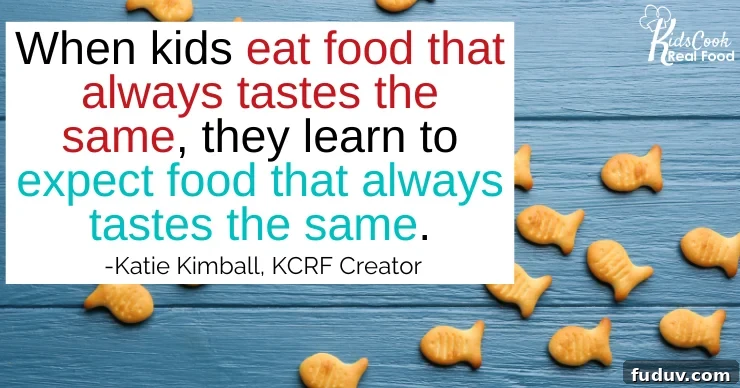
- 7:31 — Children need exposure to variety so they learn that the same food can have small differences in flavor and texture from one time to the next.
Limited Variety of Vegetables
- 8:35 — School menus often offer a small selection of vegetables, usually prepared in unexciting ways. While this is understandable given scale and logistics, it can unintentionally teach kids to dislike vegetables.
- 9:45 — Common “vegetables” like potatoes and corn are starchy and less nutrient dense than a wider variety of options, yet they’re often what’s served.
- 10:29 — Many school foods — starchy sides, processed grains, sweets — activate kids’ dopamine systems with quick energy. Picky eaters frequently prefer those comfort foods, and repeated exposure reinforces that preference.
- 11:41 — Some centers follow predictable weekly rotations (e.g., chicken nuggets Monday, spaghetti Tuesday), giving kids limited variety and reinforcing routine eating patterns that are hard to break.
- 12:21 — Picky eaters often go on “food jags,” eating the same item daily and then possibly rejecting it later. If a child’s diet narrows to fewer than about 20 foods, it may be considered problem feeding rather than typical picky eating, and that’s a serious concern.
- 13:59 — I do send yogurt with my kids, but we make homemade yogurt and vary the fruits so the texture and flavor aren’t identical every day.
The Importance of Parental Oversight
- 15:56 — At school, kids miss adult modeling that encourages curiosity instead of fear around food. Parents also lose the chance to observe eating habits closely, making it harder to identify and address picky eating.
- 17:32 — Many lunches are heavy in gluten and dairy. Undiagnosed sensitivities can make children feel unwell after eating and can contribute to food avoidance.
Portion Sizes and Visual Overwhelm
- 18:30 — Teachers report that portions often aren’t age-appropriate, with kindergartners and older students receiving similar amounts. This creates waste for younger children and leaves older students underfed.
- 19:24 — An overwhelming tray can shut down a young child’s appetite, leading them to eat only the few items they recognize and like, reinforcing picky habits.
- 20:50 — Excess sugar in children’s diets displaces more nutritious calories. Sugar-filled drinks and items can make kids feel full and less likely to eat balanced foods.
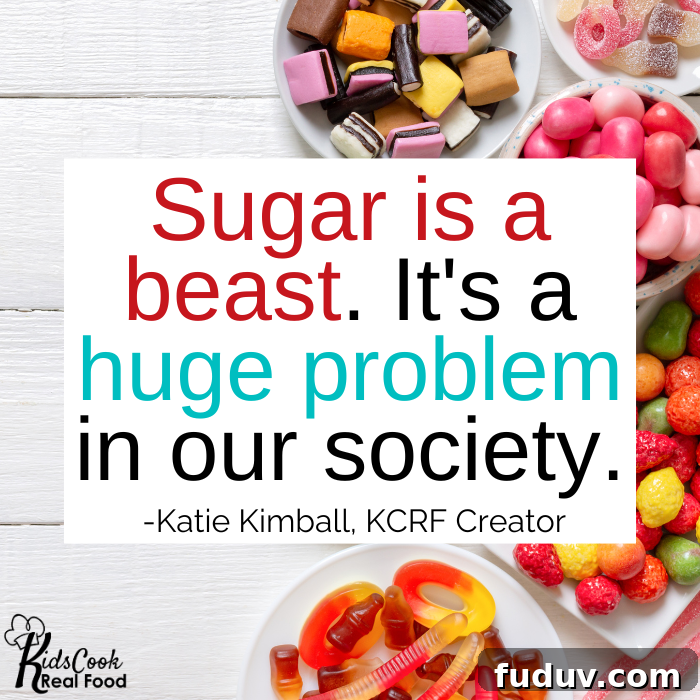
- 23:14 — Drinks with calories, like milk or sugary beverages, can fill kids up and reduce the chance they’ll eat their main foods. When I pack lunches I avoid sending high-calorie drinks so kids get calories from proteins, fruits, vegetables, and grains.
- 24:09 — Many of these challenges also appear in daycare settings, though daycares sometimes have more flexibility to change menus.
- 26:15 — Systemic change in public schools is slow. In the meantime, avoid disparaging school lunches in front of children; some families rely on them, and stigma hurts kids who depend on that meal.
Practical Solutions: Packing Homemade Lunches
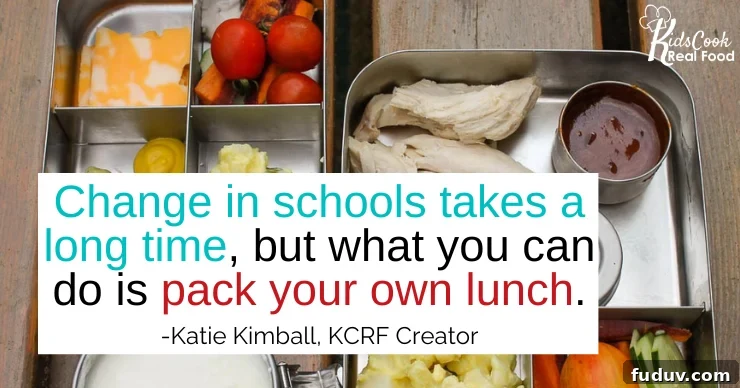
- 28:04 — If you prefer your child not eat school lunch daily, pack a homemade lunch. A balanced approach works well: allow the child occasional school lunches while packing most days.
- 28:54 — If your child must rely on school meals, create a feedback loop: talk about what they ate, how it felt, and the choices they made so you can better understand their experience and preferences.
Kids don’t need plastic knives. They need real skills.
Teach safe technique, focus, and confidence in a hands-on cooking lesson for kids (ages 2–12).
Watch the free kids knife-skills class to build confidence in the kitchen.
Advocating for Systemic Change
- 29:19 — If you have the capacity, push for improvements: more whole foods and fewer ultra-processed items, and consider occasional gluten-free or dairy-free menus so children with sensitivities get a break.
- 29:46 — Change can often happen faster in charter and private schools where policies are more flexible.
- 30:04 — I offer resources on packing healthier lunches, including a healthy lunch-box ebook, videos, and blog posts to help families make lunches that support variety and nutrition.
Resources Mentioned
- My TEDx talk on picky eating
- No More Picky Eating challenge
- Ideas for serving vegetables to encourage kids to try them
- Information about when restricted diets may become problem feeding
- A tutorial on making homemade yogurt
- Benefits of family dinners and conversation around the table
- The Instagram account kids.eat.in.color for colorful ideas and inspiration
- Resources for packing school lunches, including an ebook, videos, and blog posts to help you plan balanced, varied meals